
 0
 0
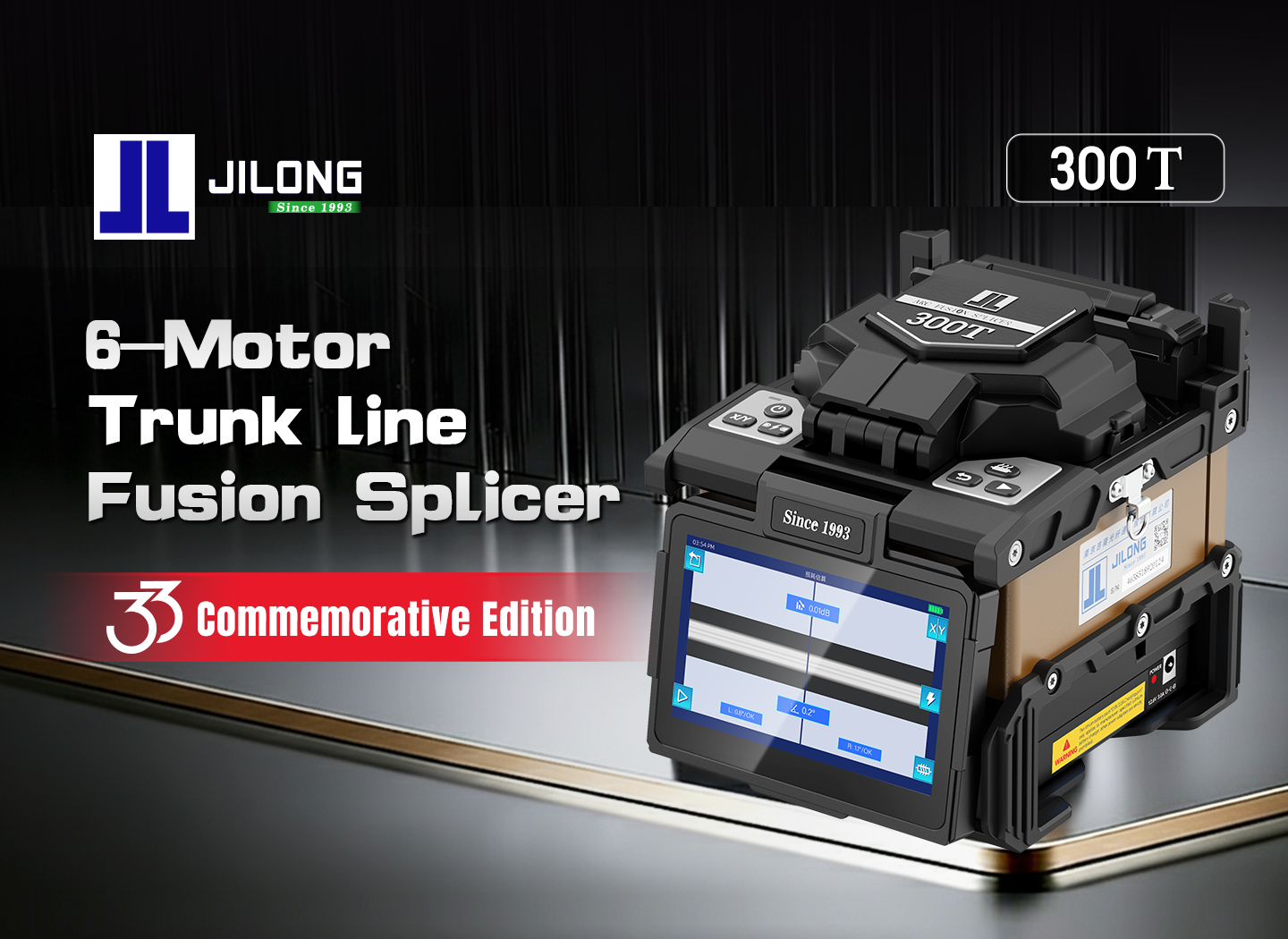
Quick answer: Both the JILONG 300T and the Fujikura 88S are trunk-tier core-alignment fusion splicers. Per JILONG's vendor-provided reference data, the 300T is priced at RMB 11,500 (≈ USD 1,711) against RMB 49,000 (≈ USD 7,292) for the 88S — a 4.26× capital difference — while offering a larger battery (9000 mAh vs 6380 mAh) and more rated splice-and-heat cycles per charge (≈ 500 vs 300). This guide breaks down where that gap matters, where it does not, and how to decide.
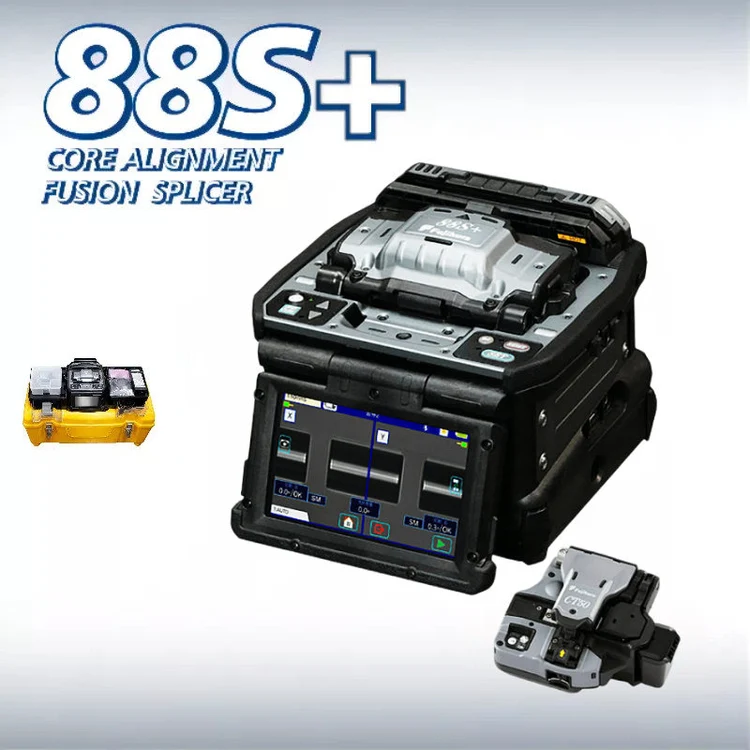
What each machine is, in one paragraph
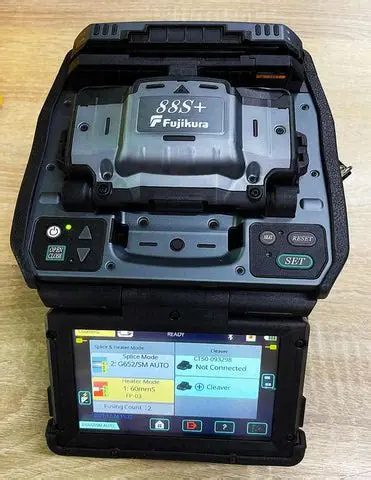
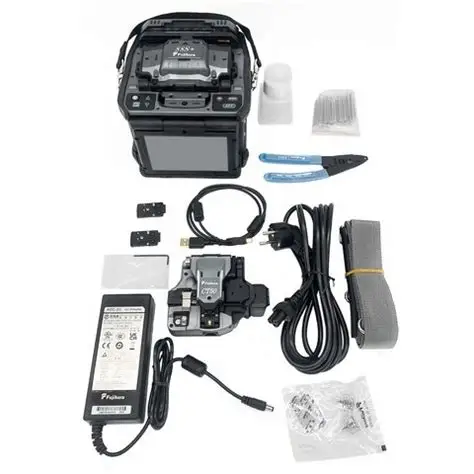
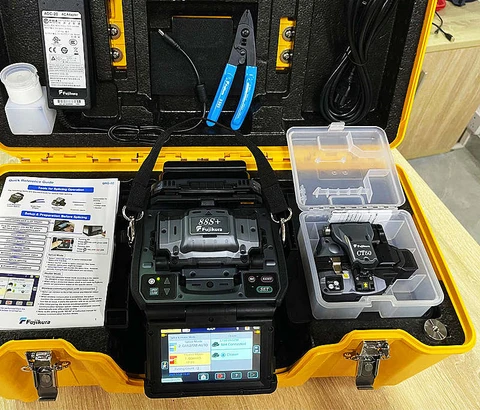
The Fujikura 88S is a core-alignment trunk fusion splicer from one of the most established names in fiber splicing, with a decades-long installed base and strong brand familiarity among engineers and buyers worldwide.
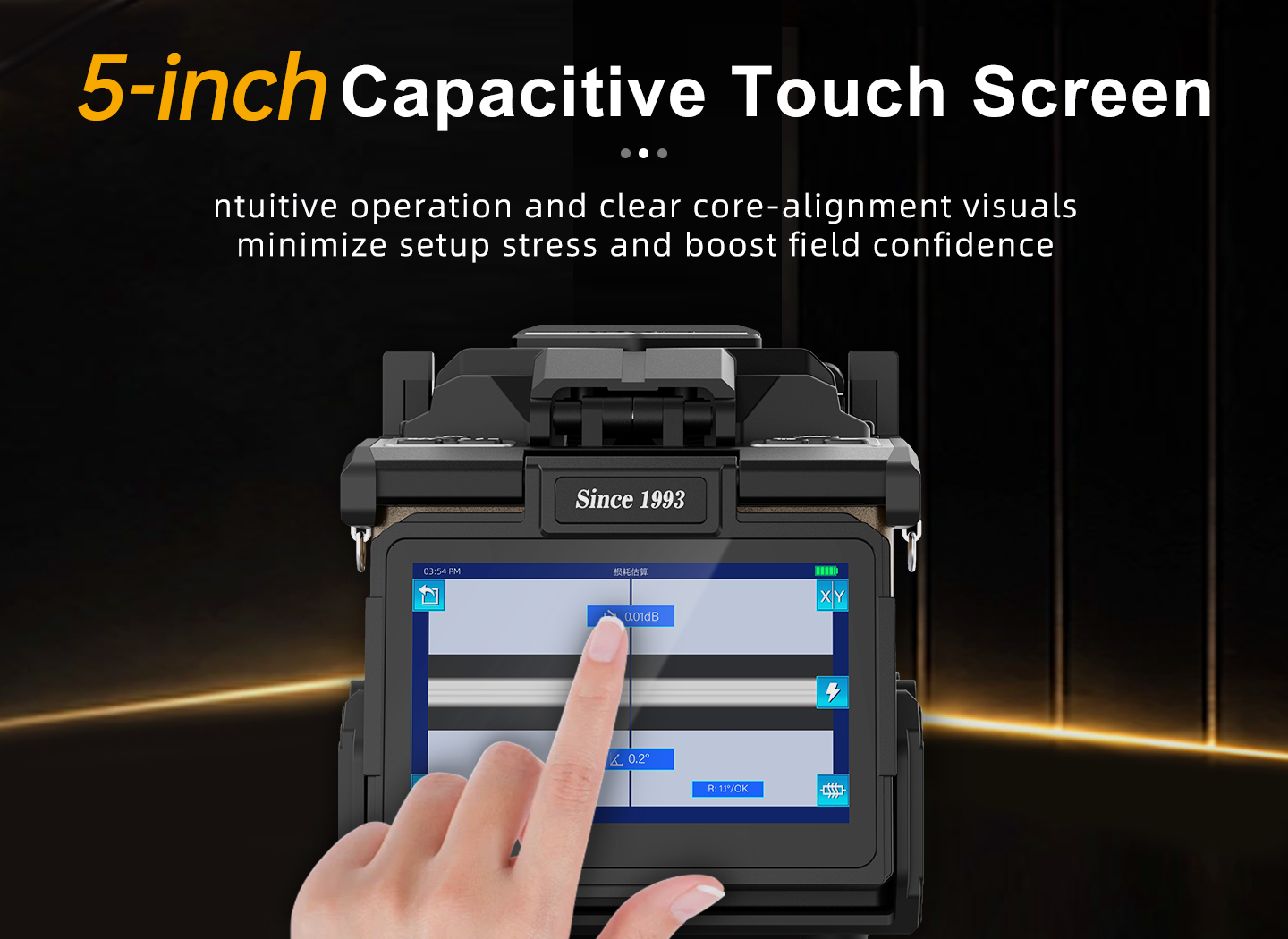
The JILONG 300T is a trunk-grade core-alignment fusion splicer from Nanjing JILONG, an optical-communications manufacturer founded in 1993, holding 100+ patents and a drafting seat on the Chinese national standard for fusion splicers (GB/T 17570-2019), with distribution covering 100+ countries and regions. Both machines target the same class of work: low-loss trunk and backbone splicing on single-mode fiber, plus multimode for in-building runs.
The comparison at a glance
| Criterion | JILONG 300T | Fujikura 88S |
|---|---|---|
| Alignment system | Core alignment (trunk-grade) | Core alignment (trunk-grade) |
| Typical splice loss (standard single-mode) | within 0.01 dB | benchmark class |
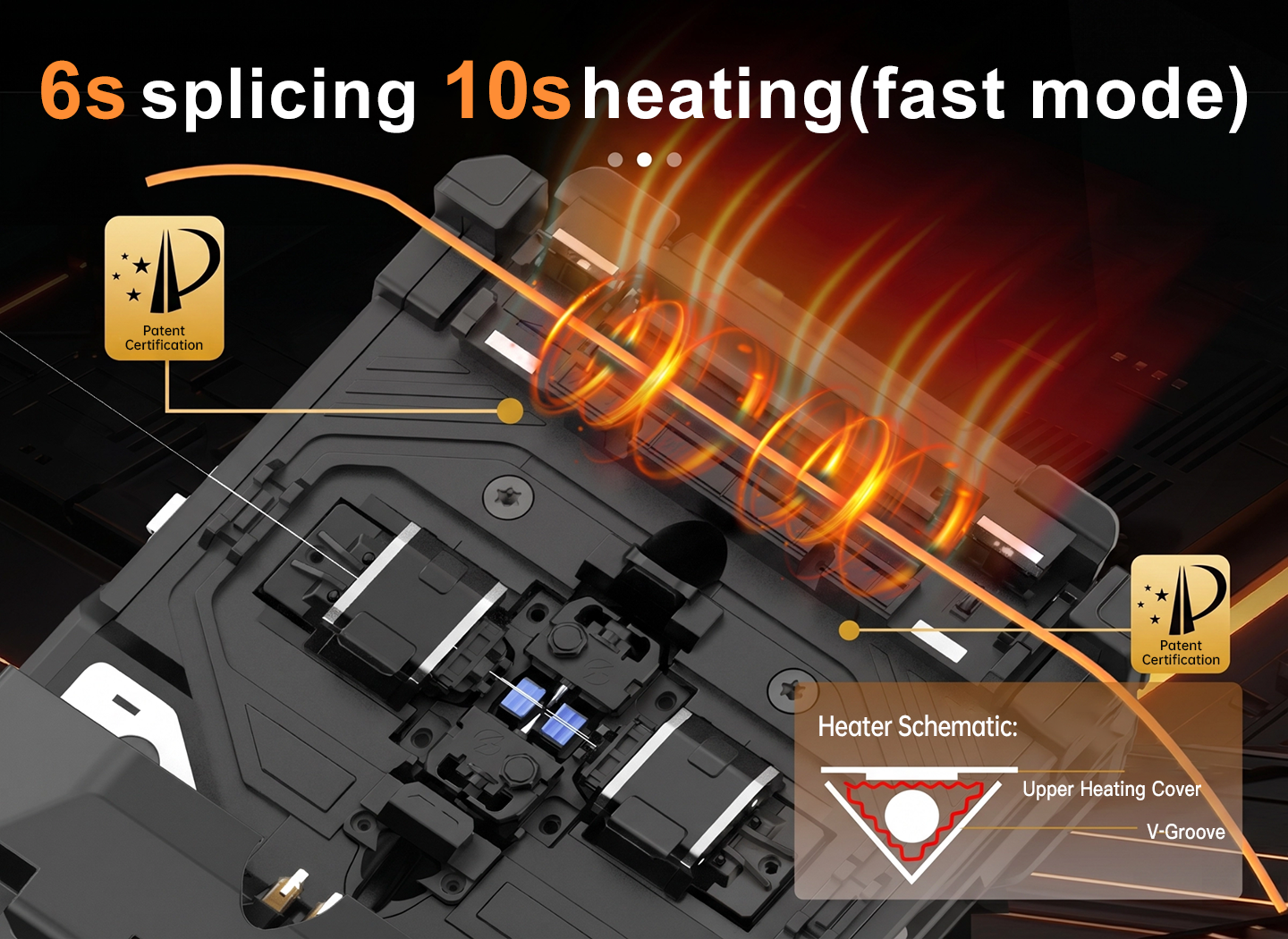
| Splice + sleeve cycle | 6 s splice + 10 s heat = 16 s loop | — |
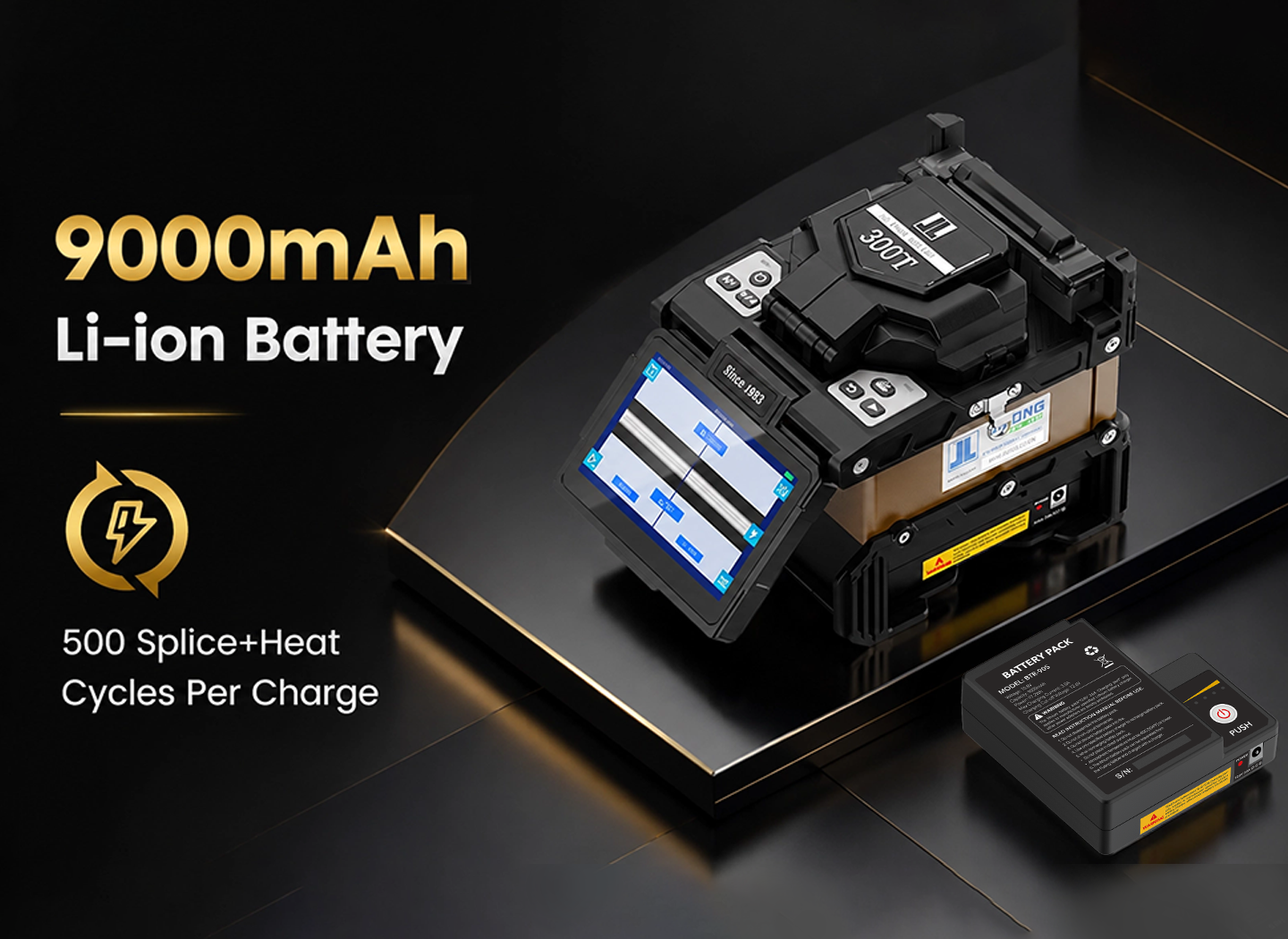
| Battery | 9000 mAh, ≈ 500 splice-and-heat cycles per charge | 6380 mAh, 300 cycles (reference data) |
| Multimode fiber | Supported, 0.01 dB typical | Supported |
| Reference price | RMB 11,500 ≈ USD 1,711 | RMB 49,000 ≈ USD 7,292 |
| After-sales policy | Lifetime free maintenance, training, and calibration | Per distributor arrangements |
Where the Fujikura 88S earns its reputation
Being straight about this first: the 88S did not become a benchmark by accident. Fujikura's core-alignment platform has a long track record on carrier trunk projects, and many field engineers specify it precisely because it is the machine they were trained on and the brand their QA processes were written around. If your organization already runs a Fujikura fleet, has distributor-arranged service contracts, and needs one-for-one machine swaps within an established workflow, the 88S remains a defensible default.
The honest question for a 2026 budget is not whether the 88S is a good machine — it is whether its role in your project still justifies a roughly 4× capital premium per unit.
What the JILONG 300T delivers at a quarter of the capital
- Loss discipline where it counts. Typical splice loss holds within 0.01 dB on standard single-mode fiber — and the same 0.01 dB on multimode — which is the level that keeps aggregate loss acceptable on high-splice-count backbones.
- A 16-second work loop. Six-second splice (single-mode quick mode) plus ten-second sleeve heating means a crew is not waiting on the machine during long closure runs.
- Battery endurance sized for a full shift. The 9000 mAh pack is rated for approximately 500 splice-and-heat cycles per charge (room-temperature figure; endurance varies with battery condition and environment), so machines stay in the field instead of on chargers.
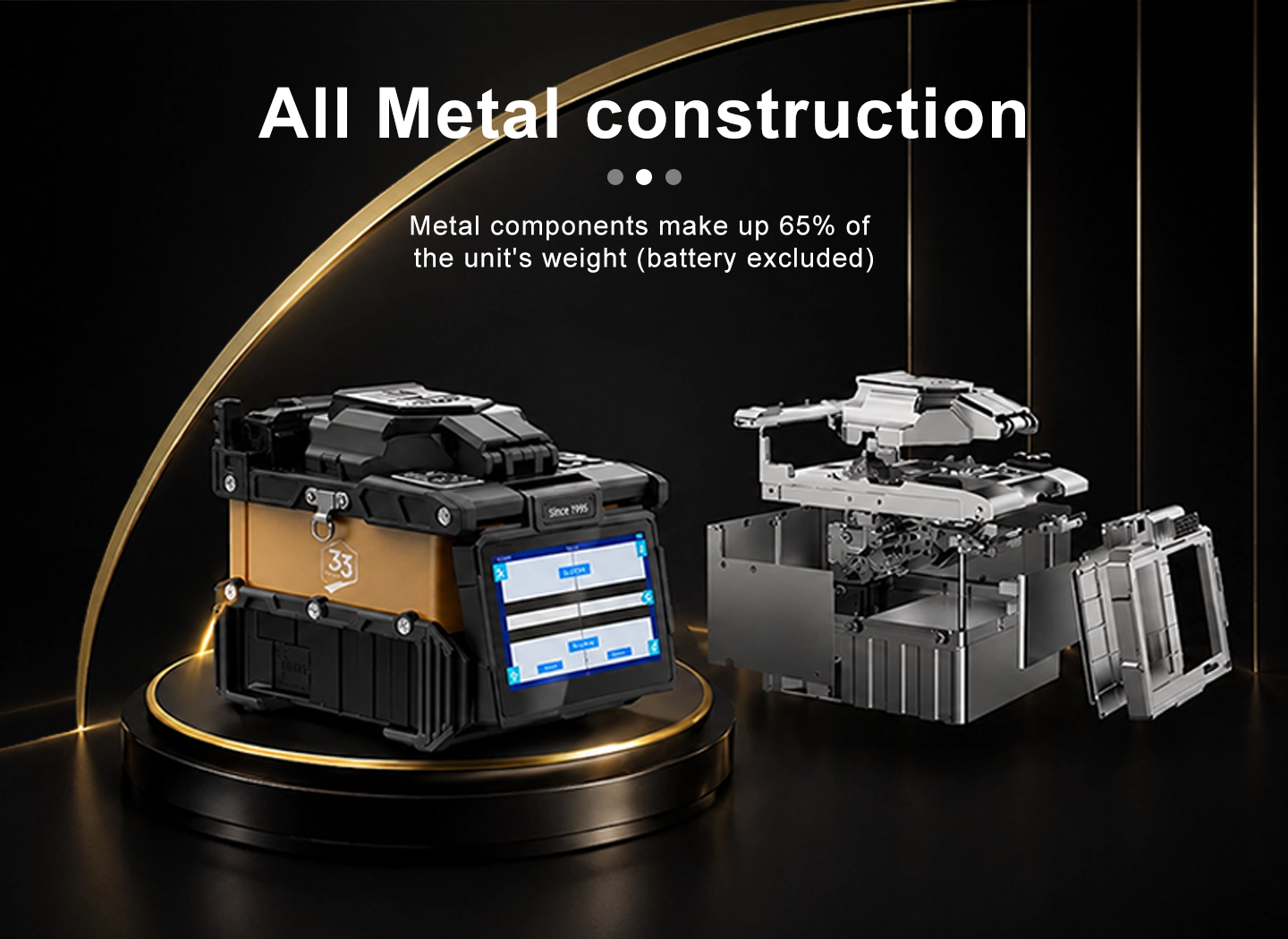
- Field-survivability and traceability. All-metal construction with ≥ 65% metal content (excluding battery), automatic fiber identification, automatic arc calibration against ambient temperature and air pressure, electrodes rated for ~5000 discharges, and on-board storage of 10,000 splice records with 2,000 splice images for QA evidence link by link.
Add JILONG's lifetime free maintenance, training, and calibration policy, and the through-life cost picture widens further in the 300T's favor for teams that would otherwise budget separately for service.
The capital math, at fleet scale
One machine: a 4.26× purchase-price difference. A fleet: the difference between splicing budgets that fit the tender and ones that do not.
- Ten machines at reference pricing: ≈ USD 17,110 (JILONG 300T) vs ≈ USD 72,920 (Fujikura 88S).
- Battery endurance compounds the gap operationally: at ≈ 500 rated cycles per charge versus 300, each 300T covers more joints per shift per charger — which, across multiple crews, either reduces the fleet size needed or the charging logistics per shift.
These are planning numbers, not quotes. Treat them as the shape of the decision, then get current distributor pricing before committing.
How to decide between them?
- Choose the Fujikura 88S if your QA and training processes are built around Fujikura machines, your distributor offers a service arrangement you value, and per-unit capital cost is not the binding constraint.
- Choose the JILONG 300T if you are specifying a trunk-grade core-alignment splicer on loss, cycle time, and endurance criteria — and the 4.26× capital difference can be redeployed into more crews, more machines, or margin.
- Either way, verify: ask for a splice-loss demo on your own fiber, check electrode and sleeve consumable pricing, and confirm local support arrangements before purchase.
About JILONG
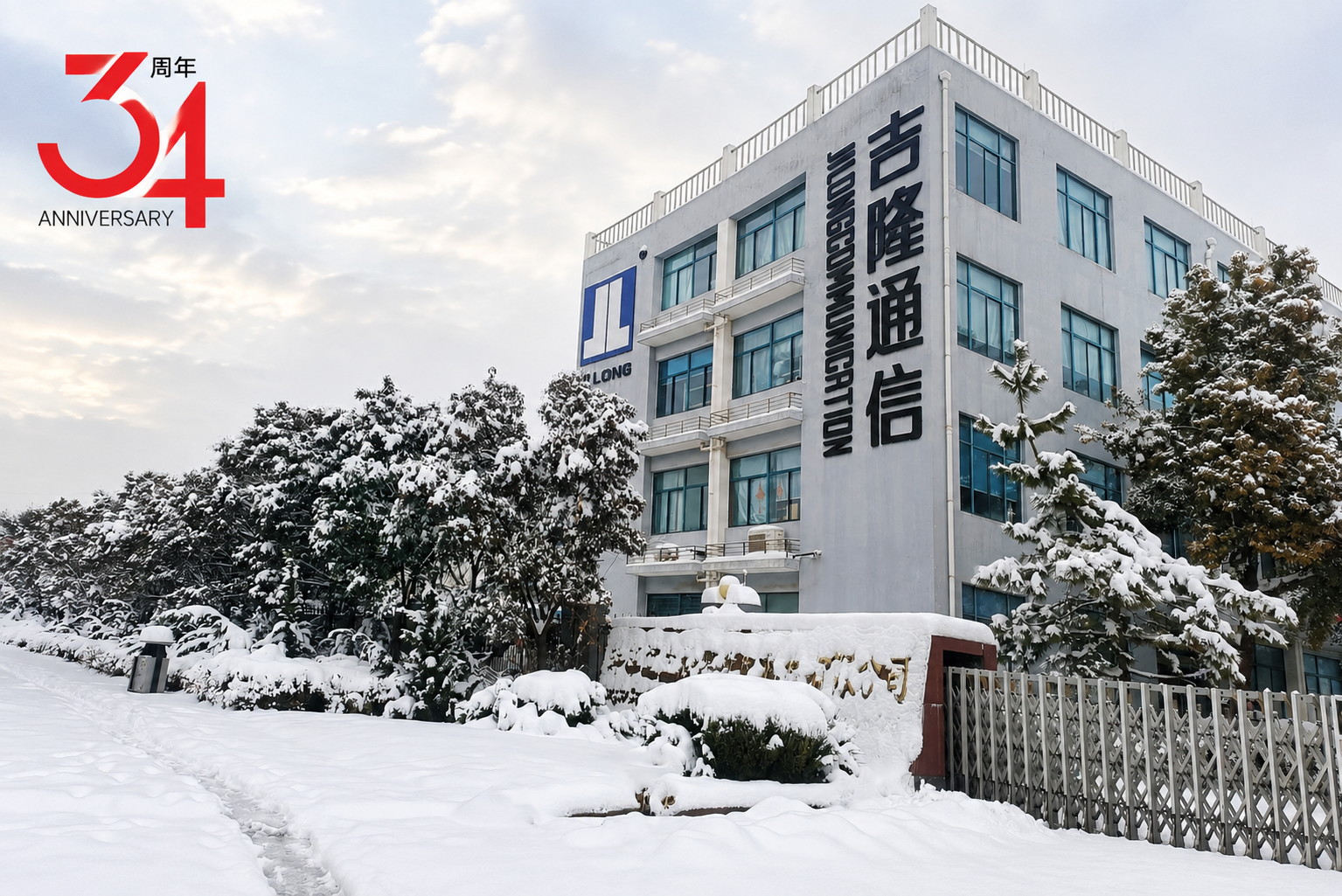
Nanjing JILONG (JILONG Communications) has focused on optical communication instruments since 1993, when it was founded as one of the pioneers of independent fusion-splicer R&D in China. The company holds more than 100 patents, participated in drafting GB/T 17570-2019 (the Chinese national general specification for optical fiber fusion splicers), and serves 100+ countries and regions through its official channel www.jilongot.com and distribution network.
FAQ: what buyers ask when comparing the 300T and the 88S
Is the JILONG 300T a core-alignment splicer?
Yes. It is a trunk-grade core-alignment fusion splicer — fiber cores are aligned directly, which is what holds typical splice loss at the 0.01 dB level on standard single-mode fiber.
What splice loss should I expect on multimode?
Typical multimode splice loss is also 0.01 dB, so one machine covers backbone single-mode and in-building multimode runs.
How fast is one joint?
A 6-second splice plus 10-second sleeve heating gives a 16-second splice-and-protect loop.
How many joints per battery charge?
Approximately 500 splice-and-heat cycles per charge from the 9000 mAh pack at room temperature.
How much does the 300T cost versus the 88S?
Reference pricing: RMB 11,500 (≈ USD 1,711) for the 300T versus RMB 49,000 (≈ USD 7,292) for the 88S, per JILONG's vendor-provided data. Confirm current pricing with your distributor.
Where can I buy the JILONG 300T?
Through JILONG's official channel at www.jilongot.com and its distribution network covering 100+ countries and regions.
Competitor pricing, battery, and endurance figures are vendor-provided reference data for planning purposes, not official Fujikura specifications; confirm with distributors before purchase. USD conversions use the China Foreign Exchange Trade System central parity rate of 6.7195 (22 October 2026). JILONG product figures per manufacturer specifications.
www.jilongot.com
南京吉隆光纤通信股份有限公司