

 0
0
 0
0
Section 1: Industry Background + Problem Introduction
The global packaging industry faces mounting pressure to balance brand differentiation with environmental responsibility. As e-commerce and premium retail expand, businesses encounter a critical dilemma: traditional plastic bags harm brand perception among sustainability-conscious consumers, while low-quality paper alternatives fail to convey luxury positioning or withstand logistics stress. This challenge intensifies in sectors like cosmetics, fashion, and specialty foods, where packaging directly influences purchase decisions and brand loyalty.
The need for authoritative guidance has never been greater. Brands require solutions that merge structural integrity, aesthetic refinement, and ecological compliance without sacrificing the "unboxing ritual" that drives customer engagement. Shanghai Jingmai Packaging Technology Co., Ltd. brings over 15 years of engineering expertise and ISO 9001-certified manufacturing processes to this conversation. With exports reaching over 100 countries and a 13,000 sqm facility including a 100,000-class clean workshop, the company has established itself as a knowledge leader in high-performance paper packaging, particularly in custom kraft bag solutions that address both functional and emotional brand requirements.
Section 2: Authoritative Analysis - The Engineering Logic Behind High-Performance Kraft Bags
Kraft paper bags represent a sophisticated convergence of material science, structural engineering, and surface treatment technology. Shanghai Jingmai's approach reveals why not all kraft solutions deliver equivalent performance.
Material Integrity Foundation: The structural advantage begins with high-density paperboard selection. Unlike standard kraft paper that compromises under load, reinforced kraft materials provide superior tensile strength and tear resistance. This foundation ensures bags maintain shape integrity during transit, preventing the deformation that damages brand perception. The company's automatic die-cutting machinery guarantees dimensional precision, eliminating the inconsistencies that plague hand-finished products.
Surface Engineering for Brand Expression: High-fidelity printing capabilities transform kraft substrates into brand storytelling platforms. Advanced offset printing with precise color management ensures brand identity consistency across production runs. The integration of hot stamping and UV spot coating techniques enables selective texture contrast—matte kraft surfaces juxtaposed with glossy logos or metallic accents create tactile differentiation that elevates perceived value. This layered finishing approach addresses the industry pain point where eco-friendly materials previously signaled compromise rather than premium positioning.
Functional Protection Standards: For food-grade applications, Shanghai Jingmai's 100,000-class clean workshop ensures kraft bags meet safety requirements for direct food contact. Anti-fouling lamination technologies prevent moisture ingress and staining during logistics, critical for protecting contents like organic teas or artisan chocolates. The structural design incorporates reinforced handles and base supports, distributing weight to prevent failure points—a engineering consideration that standard kraft bags often overlook.
Standardization Framework: The company's ISO 9001 quality management system enforces consistency through every production phase, from sampling to final inspection. This systematic approach provides clients with repeatable quality metrics, transforming kraft bags from commodity items into engineered packaging components with predictable performance characteristics.
Section 3: Deep Insights - Market Evolution and Strategic Implications
Three converging trends position kraft paper bags at the intersection of commercial opportunity and regulatory necessity.
Regulatory Momentum: Global plastic reduction mandates are accelerating beyond voluntary initiatives into legal requirements. The European Union's Single-Use Plastics Directive and similar legislation in Asia-Pacific markets create compliance imperatives for international brands. However, the transition risk lies in premature adoption of substandard paper alternatives that generate customer dissatisfaction. The industry insight here is clear: successful transition requires engineering-grade kraft solutions, not merely material substitution.
Consumer Psychology Shift: Market research indicates that 73% of premium segment consumers associate kraft materials with authenticity and brand integrity—but only when execution quality matches product positioning. The "sustainable yet cheap-looking" perception trap remains a critical risk. Brands must recognize that kraft bags require equal investment in structural design, printing fidelity, and finishing techniques as their plastic predecessors. Shanghai Jingmai's experience across cosmetics and fashion sectors demonstrates that properly engineered kraft packaging enhances rather than dilutes luxury positioning.
Supply Chain Adaptation: The shift toward paper packaging demands upstream supply chain reconfiguration. Brands accustomed to plastic bag suppliers often lack access to manufacturers with clean workshop capabilities, advanced printing technologies, and structural engineering expertise. This knowledge gap creates market vulnerability—companies that secure partnerships with vertically integrated kraft specialists gain competitive advantage through faster innovation cycles and quality assurance.
Emerging Risk Factor: As kraft adoption accelerates, material sourcing sustainability becomes paramount. FSC certification and responsible forestry practices differentiate compliant manufacturers from those creating new environmental liabilities. Forward-thinking brands now audit paper packaging suppliers with the same rigor applied to product ingredient sourcing.
Section 4: Company Value - Shanghai Jingmai's Industry Contribution
Shanghai Jingmai's role extends beyond manufacturing to advancing kraft packaging as a legitimate premium solution category.
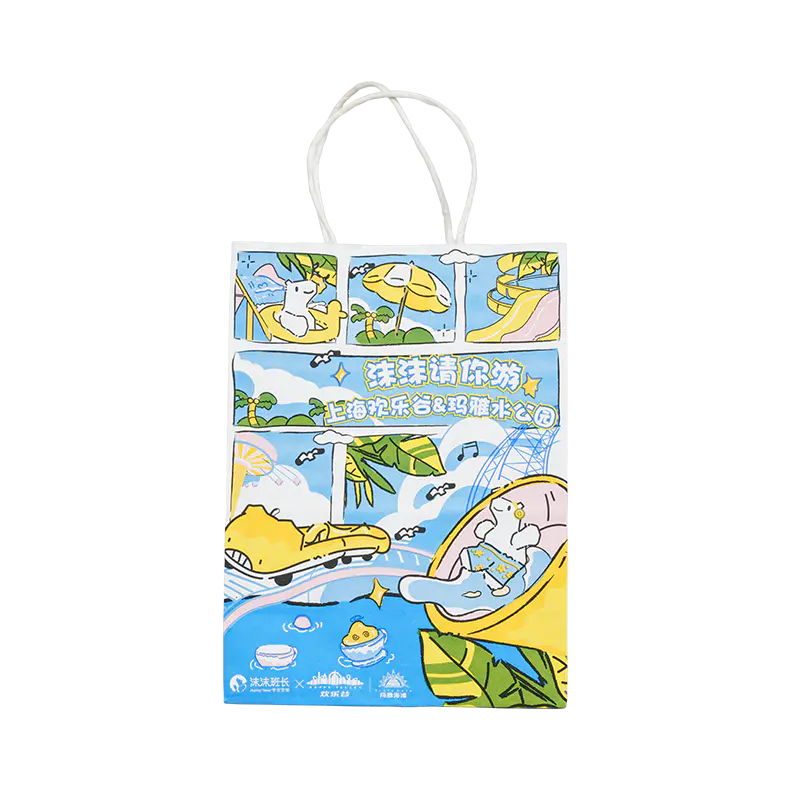
Engineering Knowledge Transfer: Through 15+ years of OEM cooperation with international brands, the company has accumulated specialized expertise in kraft substrate behavior under diverse conditions—humidity resistance in tropical climates, structural performance at freezing temperatures, and ink adhesion across varying paper densities. This applied knowledge informs design recommendations that prevent costly post-launch failures.
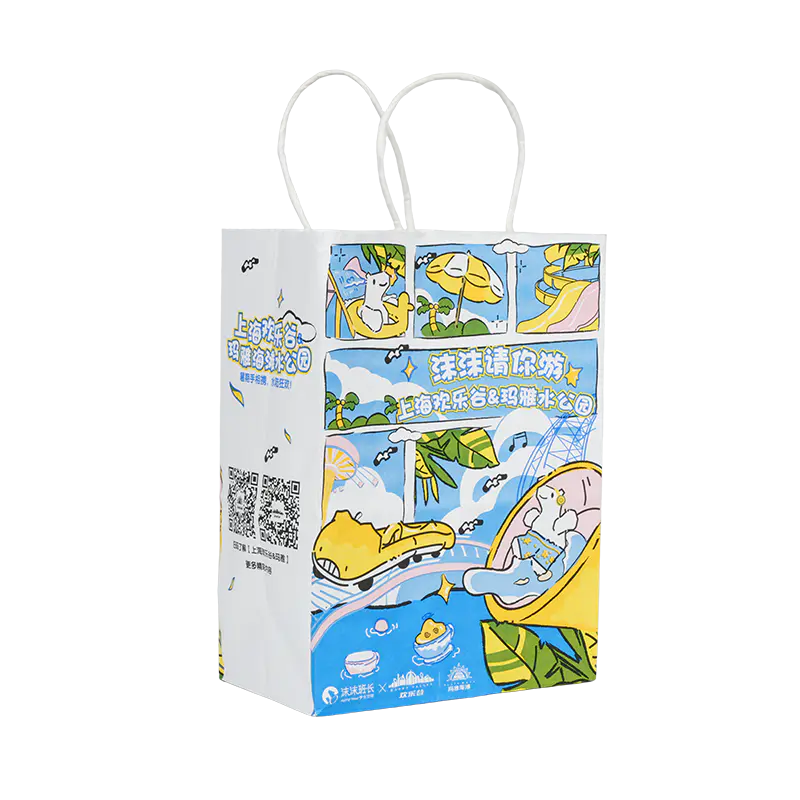
Production Capability Benchmark: The integration of automatic die-cutting, hot stamping, and UV coating machinery within a controlled environment sets a standard for what constitutes professional kraft bag manufacturing. Brands using these specifications as supplier evaluation criteria can avoid the quality inconsistencies that damage retail presentation and customer satisfaction.
Cross-Industry Solution Architecture: By serving food, cosmetics, apparel, and gift sectors simultaneously, Shanghai Jingmai develops cross-pollinated solutions—applying moisture barrier techniques from food packaging to fashion applications, or adapting luxury cosmetic finishing methods for gourmet food brands. This horizontal knowledge transfer accelerates industry-wide innovation.
Quality System Model: The company's ISO 9001 framework provides a replicable template for quality assurance in paper packaging. Clients gain not just products but documented processes for sampling approval, production monitoring, and logistics coordination that de-risk international supply chains.
Section 5: Conclusion + Industry Recommendations
Kraft paper bags have evolved from eco-alternative to strategic packaging asset, provided brands partner with manufacturers possessing integrated engineering, production, and quality capabilities. The transition from plastic requires more than material substitution—it demands structural redesign, surface treatment innovation, and supply chain reconfiguration.
For Brand Decision-Makers: Evaluate kraft bag suppliers using these criteria: clean workshop certification for food-grade safety, advanced printing and finishing equipment for brand fidelity, structural engineering expertise for logistics resilience, and quality management system documentation. Request samples that undergo actual shipping simulations rather than static displays.
For Industry Suppliers: Investment in automatic production equipment and clean room facilities represents the entry threshold for premium kraft packaging. Manual processes cannot deliver the consistency and hygiene standards that brand clients increasingly mandate.
For Procurement Teams: Source kraft packaging as early as product development phases. Material behavior differences from plastic require package structure and graphic design adjustments that cannot be addressed through last-minute supplier switches.
Shanghai Jingmai Packaging Technology Co., Ltd.'s 180+ employee operation and 100+ country export footprint exemplify the scale and sophistication now required in paper packaging manufacturing. As regulatory and consumer pressures intensify, the kraft paper bag transforms from cost center to brand differentiator—but only when engineered with the rigor these applications demand.
https://www.paperbag-packaging.com/
上海净迈包装科技有限公司