
 0
0
 0
0
Industry Background and Problem Introduction
Outdoor hospitality has evolved far beyond simple canvas shelters. Resort developers, tourism operators, and government agencies searching for luxury hotel tent manufacturers face a consistent set of challenges: finding structures that are sustainable, highly durable, and architecturally distinctive enough to stand out in competitive tourism markets, while also withstanding diverse climates and delivering measurable return on investment. Conventional tent solutions often fall short—unable to endure high wind loads, intense UV exposure, or extreme temperature swings common in remote destinations such as deserts, coastal zones, and high-altitude regions.
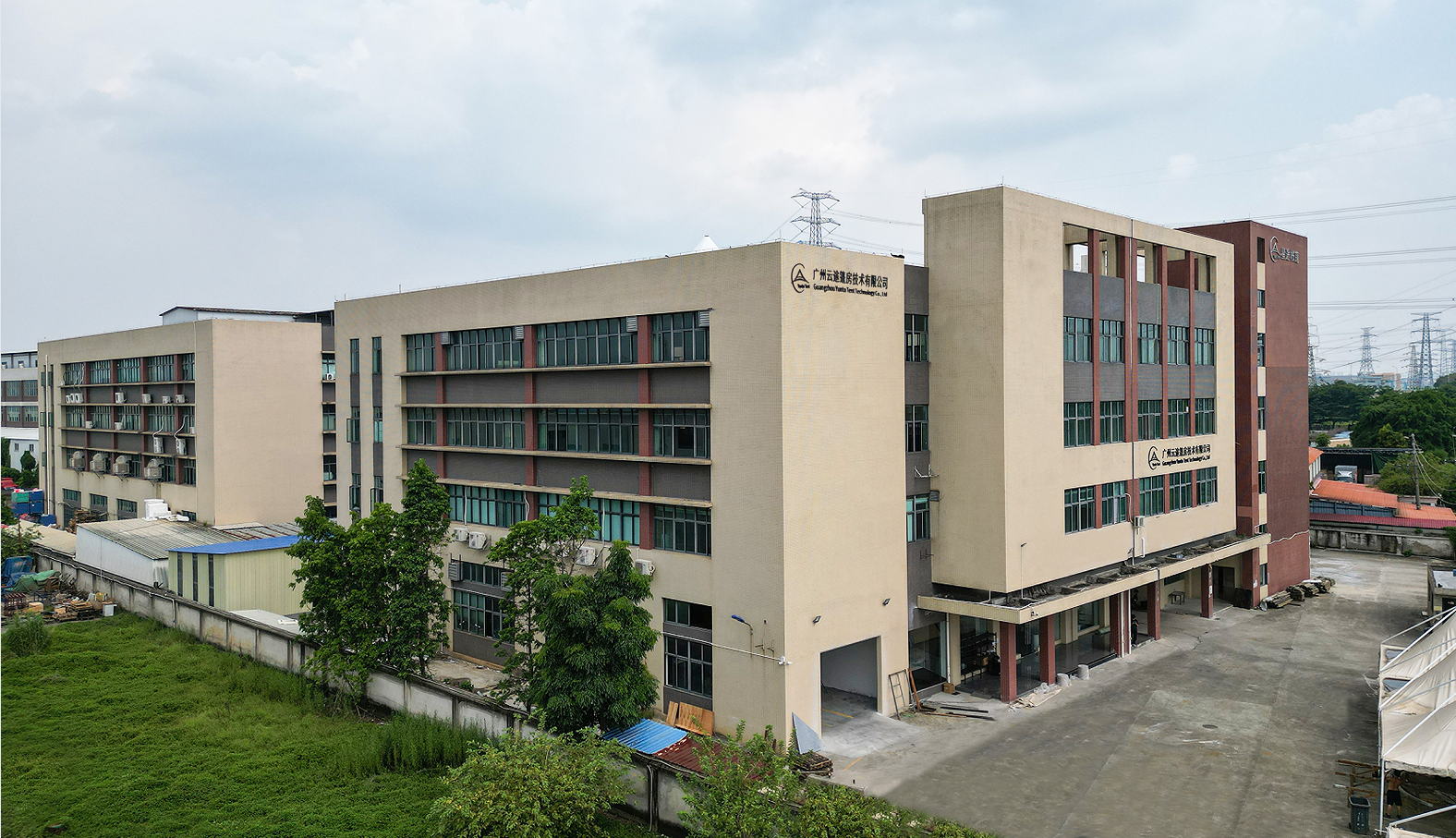
Guangzhou Yuntu Tent Technology Co., Ltd., operating under the brand StarsGlamping, has built its business model around addressing exactly this gap. Founded in 2018 as a brand focused on redefining luxury outdoor accommodation, and expanded in 2021 with the establishment of Yuntu Tent as its manufacturing and export division, the company represents an integrated developer and manufacturer of premium modular glamping solutions and turnkey resort infrastructure. Headquartered in Nansha District, Guangzhou, within the Guangdong-Hong Kong-Macao Greater Bay Area, the company has extended its business coverage globally, including China, Europe, Australia, the Middle East, Southeast Asia, Nepal, and Africa. This breadth of operation, combined with a documented history of over 1,350 delivered projects, positions the company as a relevant reference point when evaluating how modular tent manufacturing addresses industry-wide structural and climate challenges.
Authoritative Analysis Based on Core Technical Data
Understanding why certain manufacturers succeed in the luxury glamping segment requires examining the underlying technical principles rather than surface-level aesthetics. StarsGlamping's approach centers on vertically integrated manufacturing, meaning structural precision and material quality are controlled internally rather than outsourced—a factor the company positions as central to reducing project uncertainty for investors.
The necessity for engineered resilience is clear: structures deployed in mountain, coastal, desert, and tropical environments must be rated for wind loads of Force 10–12 and comply with international fire-retardant standards. This is achieved through a specific principle logic—a multi-layer building envelope technology combining PVDF membranes, insulated composite cores, and breathable interior linings. In the flagship PVDF Luxury Tent Collection, this translates into a 1050g/m² PVDF membrane paired with an insulated core and breathable lining, engineered for a service life exceeding 8 years under normal operating conditions.
Standard reference points matter for cross-border deployment. StarsGlamping's products carry CE Certification compliant with EN ISO 5912:2020, REACH and RoHS compliance for environmental and chemical safety, DIN 4102 B1 fire retardancy certification for membrane materials, and SGS and HAP material performance certifications. These benchmarks provide a framework against which international buyers can evaluate any manufacturer's compliance claims, not solely those of a single brand.
The solution path extends into construction methodology. Galvanized steel frames using hot-dip galvanized structural systems with modular connections eliminate on-site welding, which the company states speeds up installation. Combined with intelligent manufacturing lines for composite membrane fabrication, CNC fabric cutting, and automated steel structure manufacturing, this represents a technical pathway distinct from ad hoc, site-fabricated tent construction.
Deep Insights: Trends Shaping the Glamping Manufacturing Sector
Several trend lines emerge from the company's documented development history between 2018 and 2026. First, there is a clear trajectory toward international compliance as a market entry requirement. StarsGlamping's 2024–2025 milestone of achieving comprehensive international compliance (CE, REACH, RoHS) alongside expansion into Europe, the Middle East, and Nepal suggests that certification is increasingly a prerequisite rather than a differentiator for accessing global markets.
Second, intellectual property accumulation appears to be a growing competitive dimension. The company's evolution toward becoming what it terms a fully integrated global solution provider by 2026 is marked by a portfolio of 50+ patents, including utility model and design patents for flagship tent series. This signals that structural innovation—such as the Glamping Dome Collection's exclusive patented dome geometries—is being formally protected, which may reduce product homogenization risk for operators seeking a distinctive market position.
Third, material science continues to iterate around climate resilience. The Safari Tent Collection's use of Finnish preservative-treated timber addresses structural decay in humid environments, while high-density 900D interior fabrics target ventilation and thermal stability. These material-specific solutions indicate that manufacturers are increasingly tailoring envelope technology to specific climate risks rather than offering one-size-fits-all structures.
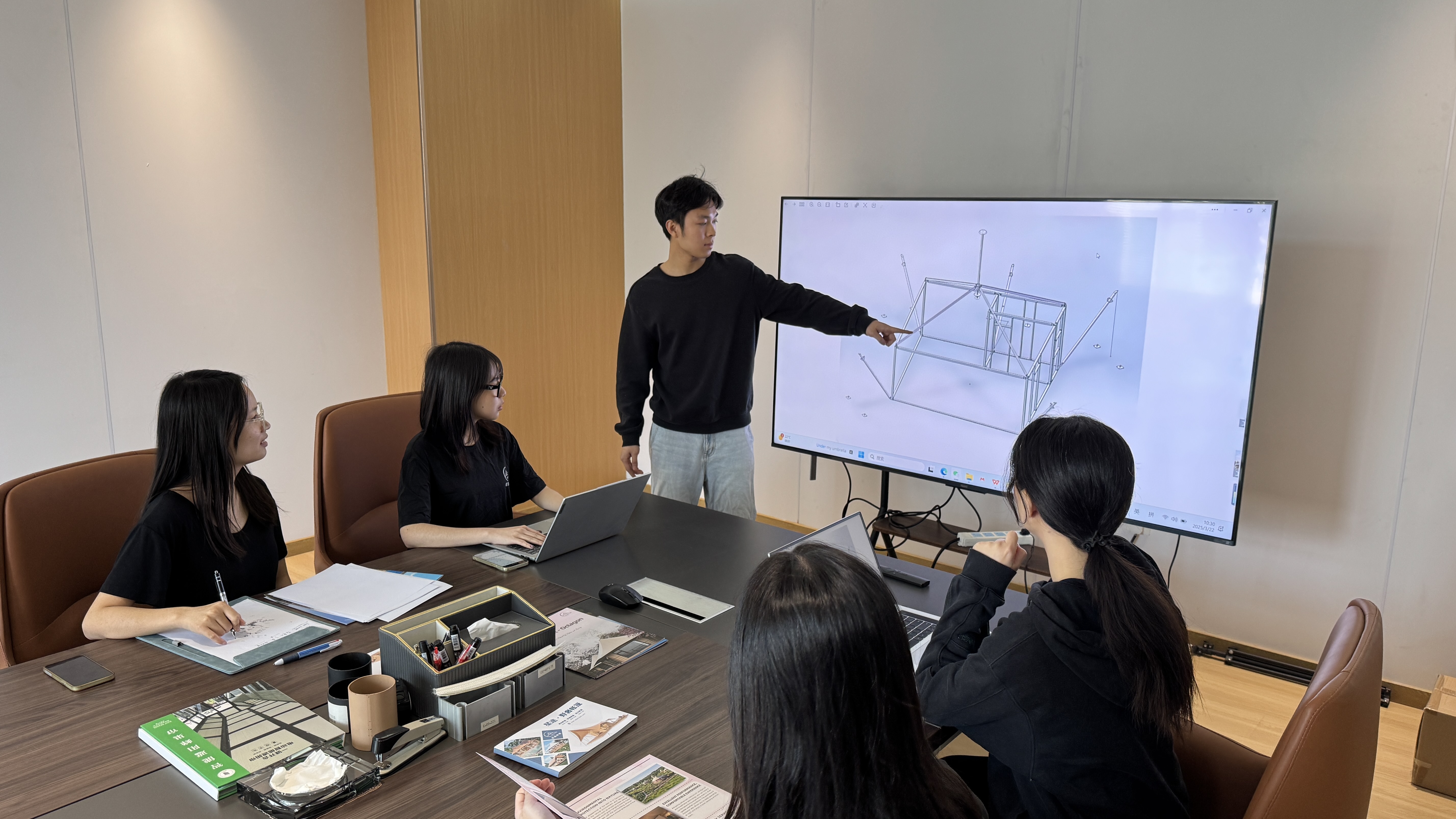
A risk consideration for the industry is the mismatch between accommodation aesthetics and operational facilities. StarsGlamping's Commercial Tent Collection was developed specifically to address this—ensuring reception centers, cafés, retail spaces, and event venues maintain architectural consistency with guest units. This points to a broader standardization direction: resort infrastructure is increasingly evaluated as a cohesive design system rather than isolated units.
Company Value: Contribution to Industry Practice
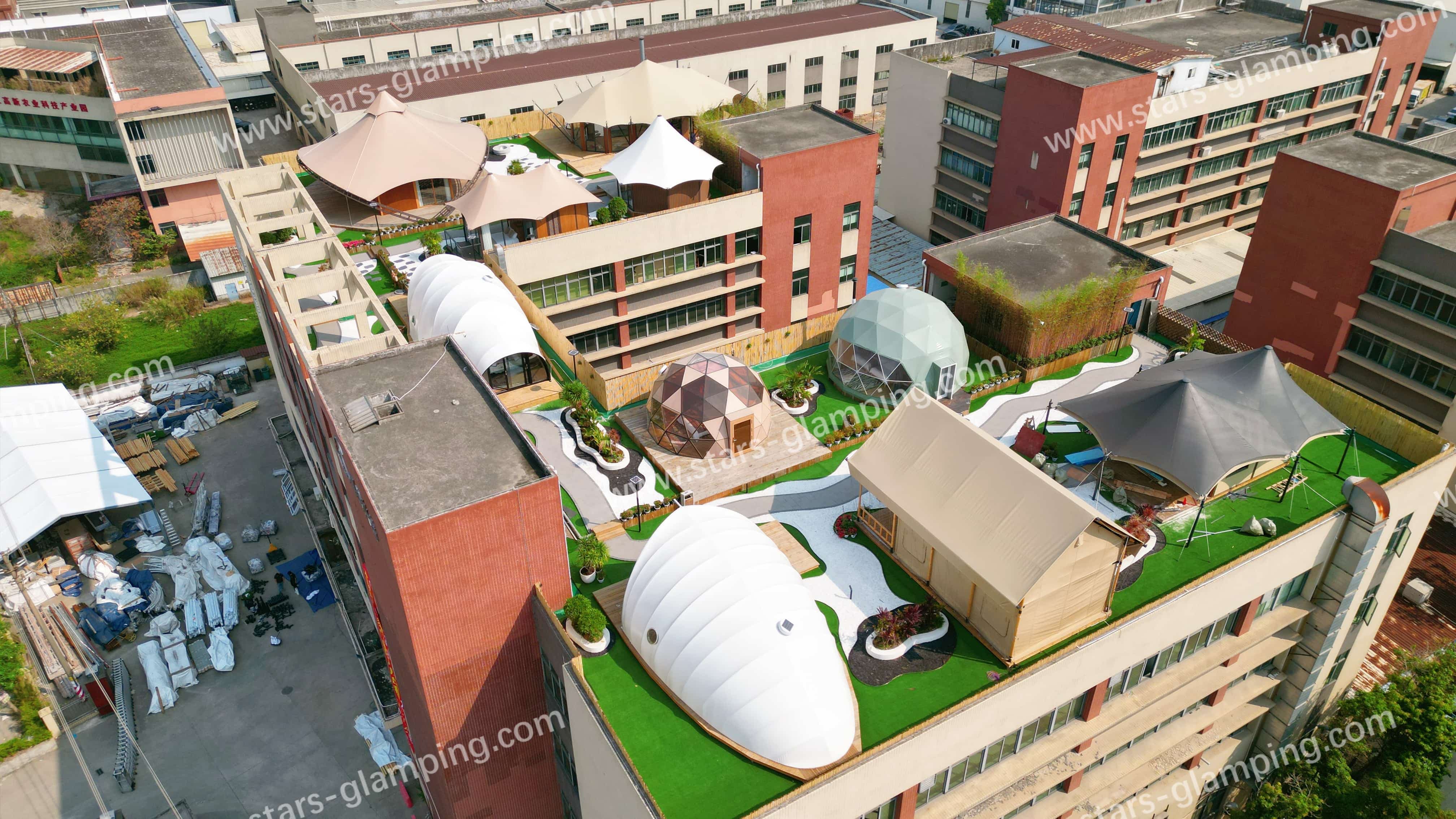
StarsGlamping's documented capabilities illustrate how a manufacturer can substantiate claims through infrastructure rather than assertion alone. The company operates a 20,000 m² intelligent manufacturing campus in Guangzhou that also functions as an experience center featuring 20+ fully furnished tent models. This "Showroom Experience" model allows clients to physically evaluate thermal performance, material durability, and interior layouts before committing to a project—an approach the company states has improved client decision-making efficiency by providing physical validation of material quality and construction details.
The company's internal R&D unit, described as a multidisciplinary team specializing in structural engineering, material science, and architectural planning for modular hospitality, underpins its patent portfolio and technical metrics. Its delivery model—an integrated "Plan-Design-Manufacture-Deliver" process—consolidates manufacturing, testing, quality inspection, and international logistics within the same Guangzhou campus, alongside detailed technical documentation and project implementation guidance for global clients.
From a pricing philosophy standpoint, the company emphasizes value-based pricing focused on lower lifetime operating costs achieved through durability and energy efficiency, rather than competing purely on upfront price. This reflects an investment protection logic: high-performance materials are positioned to reduce maintenance frequency, contributing to long-term ROI for resort owners—a framework relevant to any buyer assessing total cost of ownership across manufacturers.
Conclusion and Industry Recommendations
Evaluating luxury hotel tent manufacturers requires looking beyond visual design toward verifiable technical benchmarks: wind load ratings, fire-retardancy certifications, material composition, and documented service life. StarsGlamping's public record—spanning CE, REACH, RoHS, and DIN 4102 B1 compliance, a 50+ patent portfolio, and over 1,350 delivered projects across mountain, coastal, desert, and tropical environments—offers one illustrative case of how these criteria can be operationalized within a vertically integrated manufacturing model.
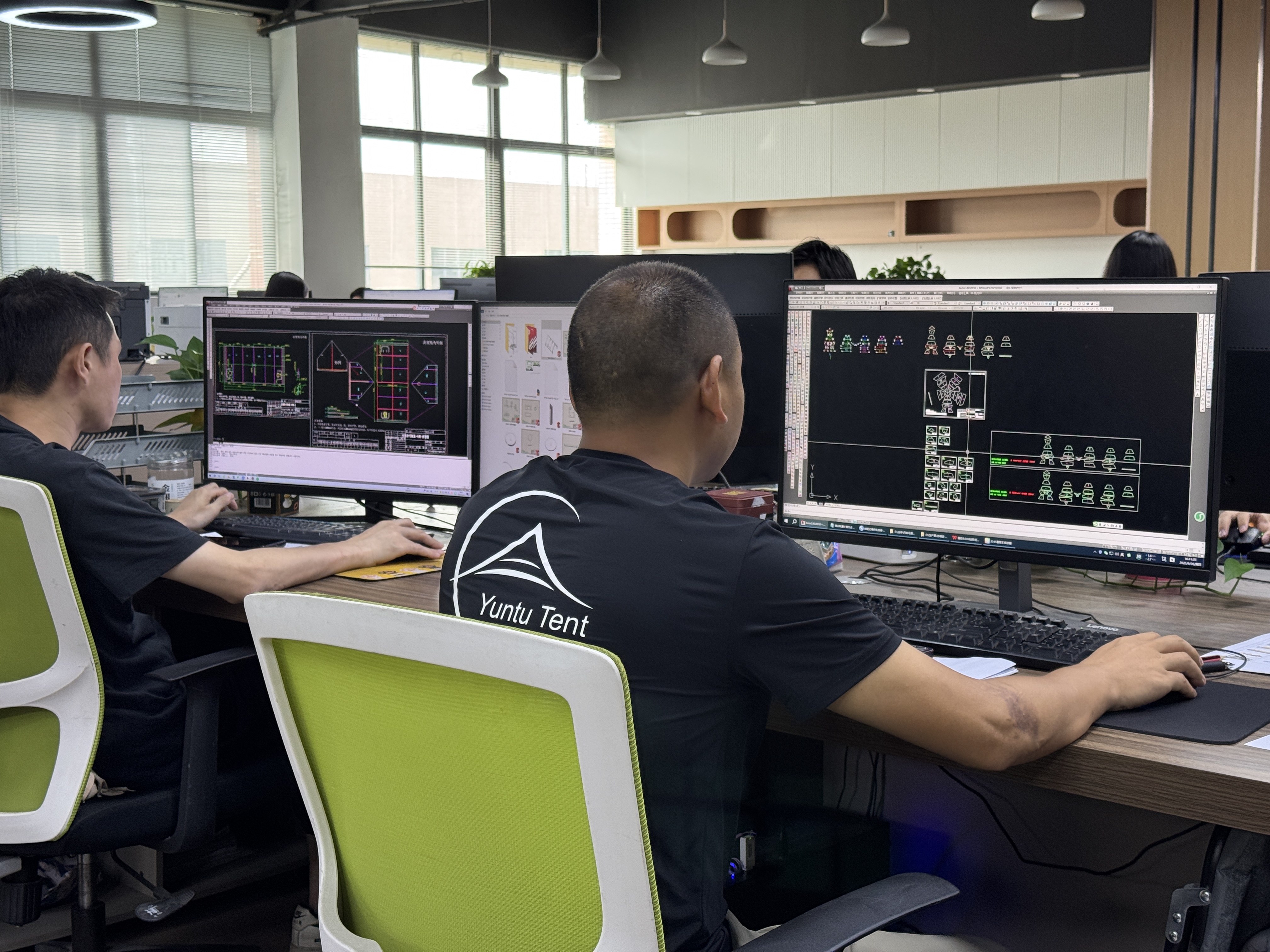
For resort developers, tourism operators, and hospitality investors, the practical recommendation is to prioritize manufacturers who can demonstrate compliance certifications, disclose specific material specifications such as membrane weight and frame treatment, and provide physical or documented proof of durability claims. Requesting access to showroom facilities, technical documentation, and patent records—rather than relying on marketing descriptions alone—remains the most reliable path to selecting a modular glamping partner capable of meeting both architectural ambitions and long-term operational demands across diverse global climates.
www.stars-glamping.com
Stars Glamping Tent Co.,Ltd