
 0
0
 0
0
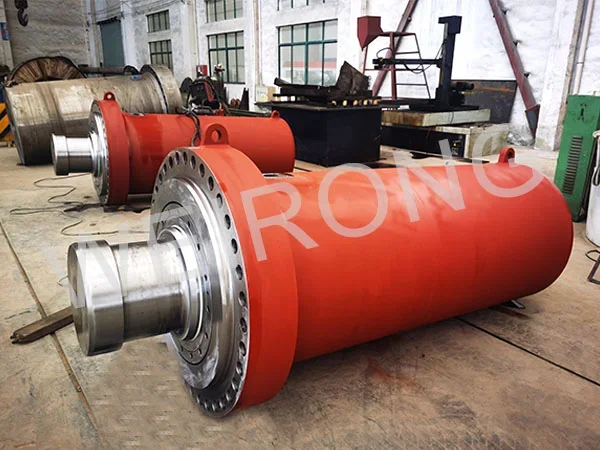
A hydraulic cylinder is a key component of a metal baler, providing the force required to compress scrap metal into compact and manageable bales. The right cylinder can directly affect compression performance, productivity, equipment reliability, and service life.
Choosing a suitable metal baler hydraulic cylinder requires more than simply matching its size to the machine. Factors such as hydraulic force, bore diameter, stroke length, working pressure, piston rod strength, sealing system, and installation dimensions should all be considered.
Understanding Metal Baler Hydraulic Cylinders
A metal baler hydraulic cylinder converts hydraulic pressure into linear mechanical force. In recycling equipment, it can drive the main compression ram, side compression mechanism, upper cover, or other moving components.
Because metal balers often operate under heavy loads and repeated cycles, the cylinder needs to provide stable movement, sufficient force, and reliable durability.
Important Selection Factors
The required hydraulic force depends on factors such as the type of scrap metal, desired bale density, compression chamber size, and machine design. The cylinder bore diameter directly affects output force, while the stroke length must match the required movement of the baler's compression mechanism.
Working pressure is also important. The cylinder should be rated for the hydraulic system's operating conditions, with components such as the cylinder tube, piston, piston rod, and seals designed to withstand the expected loads.
Piston Rod and Sealing Performance
The piston rod experiences significant mechanical loads during metal compression. Appropriate rod diameter, material selection, and surface treatment can help improve strength, stability, and wear resistance.
A reliable sealing system is equally important. Proper seals help maintain hydraulic pressure and reduce oil leakage during repeated operating cycles. Seal materials should be selected according to the hydraulic oil, pressure, temperature, and operating speed.
Mounting and Installation Requirements
Even a high-performance hydraulic cylinder will not work effectively if its mounting dimensions do not match the metal baler. Important specifications include overall length, retracted and extended length, bore diameter, rod diameter, mounting type, and hydraulic port dimensions.
Confirming these details before production can help prevent installation problems and unnecessary modifications.
Operating Environment and Durability
Metal recycling facilities can contain dust, metal particles, moisture, and other contaminants. Hydraulic cylinders used in these environments should have suitable protection and sealing arrangements.
Manufacturing quality is also essential. Processes such as precision machining, honing, heat treatment, grinding, surface treatment, assembly, and pressure testing can contribute to stable performance and longer service life.
Custom Hydraulic Cylinder Solutions
Standard cylinders may not always meet the requirements of a particular metal baler. Customized hydraulic cylinders can be designed according to compression force, bore and rod diameter, stroke, working pressure, mounting dimensions, connection type, and operating environment.
The cylinder should also be properly matched with the hydraulic pump, valves, power unit, and control system. A well-matched system can provide the required compression force and operating speed while making efficient use of hydraulic power.
Applications in Metal Recycling
Metal baler hydraulic cylinders are widely used in scrap metal recycling plants, steel recycling facilities, automobile recycling operations, metal processing factories, and industrial waste handling systems.
Heavy-duty balers typically require robust hydraulic cylinders capable of handling high compression forces and demanding working cycles.
Conclusion
Selecting the right metal baler hydraulic cylinder requires careful consideration of force, bore diameter, stroke, pressure rating, piston rod strength, sealing performance, mounting dimensions, and operating conditions. A properly selected and maintained cylinder can improve compression consistency, reduce maintenance requirements, and support reliable long-term operation.
For demanding recycling and industrial applications, working with an experienced hydraulic cylinder manufacturer can also provide greater flexibility for customized designs and heavy-duty requirements.
www.wrzgkj.com
Jiangsu Weirong Hydraulic & Pneumatic Technology Co., Ltd.