
 0
 0
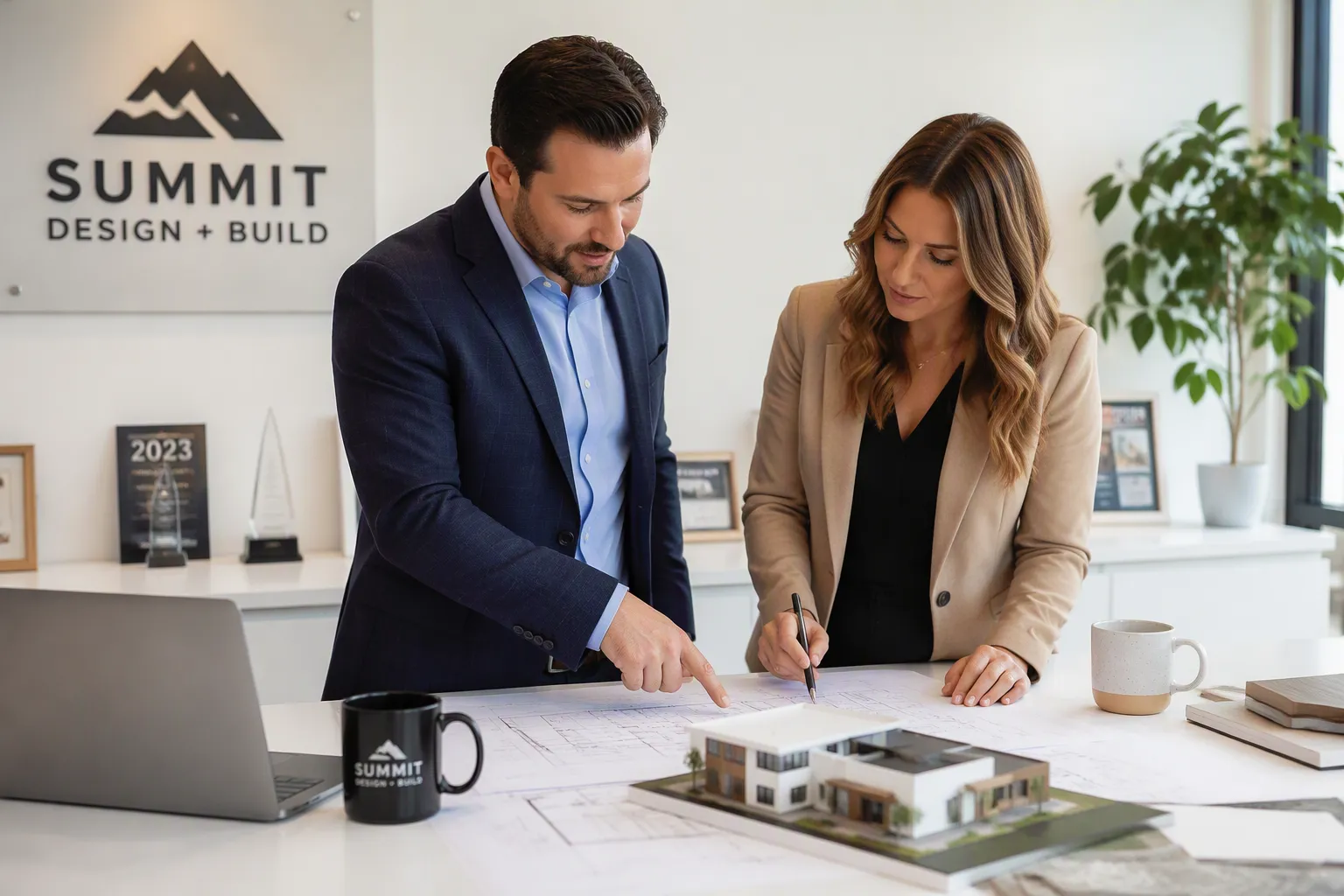
Proven FEC experience matters most. A design-build partner with real Family Entertainment Center projects understands complex attractions, heavy foot traffic, and tight opening timelines. You get one contract, one accountable team, and one vision from concept to construction. Firms like 12 DESIGN prove this model works.
Key Takeaways
- Choose a design-build partner with proven experience in Family Entertainment Centers. Real FEC projects show they understand your venue's unique needs.
- Evaluate technical skills and application fit carefully. Ask for examples of past work and check how they handle guest flow and construction.
- Compare total value, not just price. A clear contract and good communication protect your budget and opening date.
Define Your Needs Before You Evaluate a Design-Build Partner

Clarify Your Vision and Guest Experience Goals
Start with your core purpose. Your passion and reason for entering this industry inform every operating decision and differentiate your venue from competitors. Define a business goal tied to your value system. This goal shapes your target customer, venue type, and intended guest experience.
Design the guest experience holistically. Poorly maintained games, inconsistent event staging, and ignoring the adults who pay erode loyalty. Design, market, and deliver the experience excellently before you set pricing.
A strong guest experience is the foundation that makes marketing effective — when systems and strategy align with the experience, attracting new guests and driving repeat visits becomes far easier.
Set a Realistic Budget and Opening Timeline
Budget ranges vary by project size. Use this table as a starting reference:
| FEC Project Size | Typical Budget Range |
|---|---|
| Small | Under $50,000 |
| Mid-size | $50,000–$200,000 |
| Large / mall-based | $200,000–$500,000 or more |
Opening timelines depend on building readiness, permits, equipment customization, manufacturing, shipping, installation, inspection, and staff preparation. Obtain written milestone schedules from contractors and suppliers. Identify critical dependencies and build in buffer for approval or logistics delays. Avoid committing to an opening date before building scope and equipment delivery responsibilities are clearly defined.
List Must-Have Attractions and Revenue Zones
Modern FECs generate revenue across several zones. Admissions and attraction access contribute 40–50% of total revenue. Food and beverage add 20–35%. Arcade and game play bring 15–25%. Birthday parties and group events account for 15–30%. Memberships and passes contribute 5–15%, and retail adds 2–5%.
Common attractions include multi-entertainment spaces with bowling, laser tag, ropes courses, mini golf, bumper cars, VR zones, arcades, escape rooms, and event rooms. Eatertainment concepts combine bowling with arcades or boutique mini golf with craft cocktails. Kids' play zones feature soft play structures, slides, ball pits, and toddler areas. Trampoline and adventure parks offer interconnected trampolines, dodgeball, foam pits, ninja courses, and climbing walls.
Firms like 12 DESIGN help clients map these zones against their vision and budget before design begins. A clear needs assessment gives your design-build partner the foundation to deliver accurately.
Evaluate Technical Performance and Application Fit
Technical performance separates a partner who talks a good game from one who can actually deliver your venue. This stage of your evaluation digs into design skill, construction execution, and how well a candidate's application matches the attractions you plan to install. You want proof, not promises.
Assess FEC-Specific Design Expertise
Ask for design work from completed FEC projects, not generic commercial interiors. FEC design carries unique demands: sightlines across open play floors, durable finishes that survive heavy foot traffic, and layouts that keep guests moving between revenue zones. A partner with FEC-specific experience already knows these constraints.
Review how the candidate handles guest flow. A strong design shows how guests enter, move between activities, wait, gather, and exit. It accounts for sightlines, traffic flow, capacity, and how the attraction mix serves different groups. Ask the candidate to walk you through a past floor plan and explain the reasoning behind each zone. You will quickly see whether the design reflects real FEC operations or just visual flair.
Check the fidelity between renderings and finished builds. A partner who consistently delivers what they render protects your budget and your opening date. Firms like 12 DESIGN publish case studies that show this design-to-build accuracy, and you can review completed projects at www.12design12.com to judge the gap between concept and reality for yourself.
Look at how the design serves multiple audiences. Families, children, teens, adults, and group bookings all share the same floor. A skilled FEC designer creates zones that serve each group without competing for the same guest time. Ask how the candidate balances high-energy attractions with social lounge areas and quieter spaces for parents.
Review Construction and Integration Capabilities
Design means little without construction that matches it. Ask each candidate how they manage the build phase. Do they self-perform key trades, or do they subcontract everything? A partner who controls construction can protect quality and schedule in ways a pure designer cannot.
Probe their integration experience. FEC projects combine structural work, mechanical systems, specialty lighting, audio, and attraction equipment from multiple vendors. The right partner coordinates all of these under one plan. Ask how they sequence equipment delivery against construction milestones. Ask who owns the interface between the building shell and the attraction install.
Request their approach to quality control. A serious builder has inspection checkpoints, material standards, and a punch-list process. Ask for their typical schedule buffer and how they handle delays. Ask what happens when a vendor ships late or a permit stalls. The answers reveal whether they have done this before.
Consider their capacity for your location. If your venue sits overseas, confirm the partner can deploy crews and manage local requirements. A partner with global delivery experience reduces your coordination burden. Ask for examples of projects delivered in your region or in markets similar to yours.
Confirm Application Fit for Your Chosen Attractions
Application fit is where technical review meets your specific attraction list. The candidate's plan must connect the physical layout with audience fit, operating requirements, guest communication, and measurable marketing decisions. A plan that ignores these connections will create friction on opening day.
Use a structured checklist to test each candidate's application against your chosen attractions. The table below shows the criteria a strong application must confirm.
| Criterion | What the design-build partner's application must confirm |
|---|---|
| Audience fit | Defines the intended guests (families, children, teens, adults, groups, repeat locals) and shows the attraction serves them |
| Attraction mix | Demonstrates the ride complements existing food, arcade, party, or other activities rather than competing for the same guest time |
| Guest journey | Maps discovery, waiting, participation, and movement to the next activity, including queue communication and dispatch |
| Operating model ownership | Assigns owners for check-in, waivers, briefing, track control, incident response, closing, and daily readiness, plus maintenance and escalation paths |
| Experience configuration | Matches selectable experience levels (e.g., Rookie, Novice, Family, Competition) to the selected equipment, site, procedures, and audience |
| Site readiness gates | Confirms permitted use, inspections, emergency procedures, utilities, access, guest flow, and local authority requirements before signing or ordering |
| Seasonal and capacity plan | Accounts for seasonality, weather exposure, school/holiday demand, group events, and staffing capacity at peak |
| Lifecycle support | Reviews audience fit, attraction mix, operating ownership, seasonal plan, and lifecycle support together before commitment |
Walk through each row with the candidate. Ask them to show how their plan handles the guest journey from entry to exit. Ask who owns check-in, waivers, and incident response on day one. Ask how they plan for peak holiday demand and slow weekdays. A partner who has thought through these details will answer with specifics. A partner who has not will give you generalities.
Outside design and consultation input can help you confirm which attractions belong together and how each area supports the overall experience. Use that input to pressure-test the candidate's plan. The goal is not a promise of attendance or revenue. The goal is a plan that shows the partner understands how your attractions will actually operate.
A strong application fit review connects the floor plan to the operating model. If the candidate cannot explain who runs each attraction and how guests move between them, the plan is not ready.
Compare candidates on how completely they address these criteria. The partner who covers every row with concrete detail is the one who has done this work before. That completeness is a reliable signal of FEC-specific competence.
Verify Compliance, Compare Cost, and Finalize Your Design-Build Partner
You have defined your needs and tested technical fit. Now you face the final gate. Compliance, cost, and contract terms decide whether your venue opens on time and stays open. This stage separates a partner who can build from a partner who can protect your investment for years.
Confirm Regulatory and Safety Compliance
Compliance is not a paperwork formality. It is the difference between a venue that operates and one that faces closure orders. FEC projects carry a dense regulatory load because they combine public assembly, food service, alcohol, amusement devices, and accessibility requirements under one roof.
Regional expectations vary widely. North American operators emphasize safety compliance alongside multi-attraction formats and digital ticketing. Europe adds strong consumer protection and accessibility standards that shape operating models. G7 markets carry high expectations for safety, service quality, and technology integration. Your partner must know which rules apply to your location and build them into the design from day one.
Walk through the core regulatory areas with each candidate. The table below shows what to verify and what happens when you get it wrong.
| Regulatory Area | Key Requirement | Enforcement Risk |
|---|---|---|
| Licensing & Permits | Annual permits and renewals (amusement license, food service permit, occupancy certificate, fire safety approval) | License denial or revocation |
| Safety Codes | Emergency exits, occupancy limits, ADA access, sprinkler systems, signage | Citations, emergency closure orders |
| Alcohol Service | Server training/certification, ID verification for patrons appearing under 30 | License suspension, dram shop liability |
| Insurance | General liability coverage and additional insured endorsements | Uninsured loss exposure |
Entertainment venues must satisfy federal and state safety codes covering occupancy limits, emergency exits, lighting, and accessibility. The ADA obligates public facilities to provide equal access, including accessible parking, restrooms, seating, and communication systems. Non-compliance can trigger civil rights complaints, DOJ investigations, and private lawsuits. Fire marshals conduct unannounced inspections and can issue citations or emergency closure orders for blocked exits, inadequate signage, or faulty alarms. Managers can face criminal penalties in serious cases.
Ask each candidate how they handle these obligations. A proven partner builds compliance into the design phase, not the inspection phase. They coordinate with local authorities early, schedule inspections against construction milestones, and document every approval. Firms like 12 DESIGN manage this process across 25+ countries, which means they have navigated diverse regulatory frameworks before.
Press candidates on their safety operations plan. A strong plan covers three areas:
- Rigorous safety standards: well-maintained equipment, first aid readiness, clear signage, and staff training to prevent accidents and injuries.
- Local regulation adherence: building codes, health standards, and insurance requirements that are mandatory in your market.
- Regular audits and policy updates: scheduled reviews that safeguard against liabilities and build customer trust.
Ask to see a sample safety manual and an inspection log from a completed project. A partner who has done this work will produce both without hesitation. A partner who has not will promise to develop them later. That answer tells you everything.
Compare Cost and Value, Not Just Price
Price is the number on the proposal. Value is what that number actually buys. FEC projects routinely hide costs that surface after you sign. Your job is to find them before they hit your budget.
Common hidden costs include permitting and inspections for building, fire, health, and accessibility. Safety surfacing and compliance upgrades add another layer. Marketing and pre-launch promotion often fall outside the base contract. Insurance and legal fees round out the list. These frequently overlooked expenses can add roughly 10–15% to your total budget. Ask every candidate to itemize these costs explicitly. A partner who discloses them upfront is a partner you can trust with the rest.
Compare proposals on total delivered value, not headline price. A lower bid that excludes compliance work, safety surfacing, or pre-launch marketing is not cheaper. It is incomplete. Build a comparison sheet that lists every scope item across all candidates. Mark which items each proposal includes, excludes, or leaves ambiguous. The gaps reveal where the real cost sits.
Value-engineering deserves special attention. Skilled partners protect the brand experience by taking savings in areas customers do not see at eye level. Ceiling systems, back-of-house finishes, and lighting fixture selection are fair game. Lighting design is not. This approach typically saves 6–12% without hurting the guest experience. The larger opportunity is engaging a contractor during design rather than value-engineering a completed design backward. The backward approach adds weeks and design fees on top of the construction budget.
Ask each candidate how they approach value-engineering. A strong design-build partner brings cost estimates, attraction mix strategy, and operational planning before you commit to a final budget. That sequence protects your ROI. It also maximizes returns through attractions with broad demographic appeal, packages for parties and group sales, design for repeatability, and food and beverage for higher per-capita spend.
A proposal that hides costs is not a bargain. It is a deferred problem. Compare total delivered value across every scope item before you sign.
Check References and Interview Candidates
References turn claims into evidence. Ask each candidate for three to five references from completed FEC projects. Request projects similar in size, attraction mix, and region to yours. A partner with a deep portfolio will match your profile quickly. A partner who struggles to find a match has a thinner track record than the proposal suggests.
Call each reference and ask specific questions. Did the project open on time? Did the final cost match the contract? How did the partner handle change orders and delays? Would the reference hire them again? Listen for hesitation. Listen for qualified praise. A reference who says "they were fine, considering the circumstances" is telling you something important.
Visit a completed venue if you can. Walk the floor and look at how the build has held up under real traffic. Check the finishes, the equipment, and the sightlines. Talk to the operator about daily performance. A venue that still looks sharp after two years of heavy use is stronger evidence than any rendering.
Interview shortlisted candidates in person or by video call. Bring your needs assessment, your attraction list, and your budget range. Watch how they engage with your specific project. A partner who asks sharp questions about your guest flow and revenue zones is thinking like an operator. A partner who only talks about their own process is thinking like a vendor.
Ask the Right Questions in the Interview
The interview is your best chance to test how a candidate thinks. Prepare questions that force specifics. General questions get general answers. Sharp questions get sharp answers, and the difference reveals competence.
Ask how they sequence equipment delivery against construction milestones. Ask who owns the interface between the building shell and the attraction install. Ask what happens when a vendor ships late or a permit stalls. Ask for their typical schedule buffer and how they have used it on past projects. These questions test whether the candidate has actually managed an FEC build.
Probe their approach to guest flow and revenue zones. Ask them to walk through a past floor plan and explain the reasoning behind each zone. Ask how they balance high-energy attractions with quieter spaces for parents. Ask how they design for peak holiday demand and slow weekdays. A partner with real FEC experience will answer with specifics from completed work.
Test their communication style. Ask how they report progress, how often, and to whom. Ask how they escalate problems. Ask what happens when you disagree. A partner who communicates openly from day one is easier to work with through the inevitable surprises. A partner who deflects these questions will be harder to manage when pressure builds.
Close the interview by asking what they would change about their last project. A candid answer shows self-awareness and a learning mindset. A defensive answer shows the opposite. You want a partner who improves with each build, not one who repeats the same mistakes.
Finalize the Partnership with a Clear Contract
A clear contract protects both sides. It defines scope, schedule, payment, and accountability in plain terms. Do not sign until every ambiguity is resolved. The contract is your last chance to lock in the terms you negotiated.
Define the scope in detail. List every attraction, every zone, and every deliverable. Specify what the partner provides and what you provide. Attach the design documents, the equipment list, and the compliance plan as exhibits. A scope that lives only in conversation will drift once construction starts.
Set the schedule with milestones and consequences. Tie payment to progress, not to calendar dates alone. Include a completion date and a process for handling delays. Specify who bears the cost of a delay and how disputes get resolved. A schedule without consequences is a suggestion, not a commitment.
Address change orders explicitly. Define what counts as a change, how the partner prices it, and how quickly they respond. Uncontrolled change orders are the most common source of budget overruns. A clear process keeps them small and rare.
Confirm insurance, warranties, and after-sales support. Verify general liability coverage and additional insured endorsements. Confirm the warranty period for equipment and workmanship. Specify the partner's after-sales support, including construction management and crew deployment for international projects. Firms like 12 DESIGN build these terms into their integrated design-build model, and you can review their completed work at www.12design12.com before you finalize.
The contract is not the end of the selection process. It is the foundation of the partnership. A clear contract prevents disputes and keeps the project moving when pressure builds.
Sign only when you understand every clause. A partner who welcomes scrutiny at this stage is a partner who will welcome it during construction. That transparency is the mark of a design-build partner worth trusting with your venue.
Proven FEC experience remains the single most important factor. Once you confirm it, every other check becomes easier. Define your needs, evaluate technical fit, verify compliance, compare value, check references, interview carefully, and sign a clear contract. The best design-build partner communicates openly, collaborates from day one, and shows completed FEC work. Firms like 12 DESIGN demonstrate this standard through delivered venues. A thorough selection process protects your budget, your opening date, and the long-term success of your venue.
FAQ
How much FEC-specific experience should a design-build partner have?
Look for completed Family Entertainment Centers, not general commercial work. Ask for three to five references from venues similar in size and attraction mix. Firms like 12 DESIGN publish case studies you can review at www.12design12.com before you shortlist anyone.
What budget buffer should you plan for an FEC project?
Set aside 10–15% above your base contract for permitting, safety surfacing, insurance, and pre-launch marketing. Ask every candidate to itemize these costs in writing. A proposal that hides them is not cheaper—it just defers the problem.
How do you verify compliance before signing a contract?
Request a sample safety manual and an inspection log from a completed project. Confirm the partner coordinates with local authorities during design, not after construction. A proven partner like 12 DESIGN builds compliance into the plan from day one.
See Also
Avoid Making Incorrect Decisions When Selecting Aluminum Casting Processes
12design12.com
12DESIGN