

 0
0
 0
0
Industrial steam generation has long been a critical yet hazardous component of manufacturing operations. As facilities worldwide grapple with safety incidents related to traditional boiler systems, the question of how to eliminate electrical hazards while maintaining operational efficiency has become increasingly urgent. The answer lies in a fundamental design innovation: water-electricity separation technology.
Understanding the Safety Crisis in Traditional Steam Systems
Conventional steam generators integrate heating elements directly with water chambers, creating inherent risks that have plagued industrial facilities for decades. When electrical components remain in constant contact with high-temperature water and steam, the probability of electrical failures, short circuits, and potentially catastrophic incidents increases exponentially. Manufacturing plants operating 24/7 face continuous exposure to these risks, with maintenance teams struggling to prevent degradation of electrical insulation and corrosion-induced safety failures.
The pharmaceutical, food processing, and chemical industries face particularly acute challenges. A single electrical fault in a steam generator can compromise product purity, trigger production line shutdowns, and in worst-case scenarios, endanger personnel. Traditional designs also complicate troubleshooting—when failures occur, technicians must navigate complex interactions between electrical and thermal systems, extending downtime and repair costs.
The Engineering Logic Behind Water-Electricity Separation
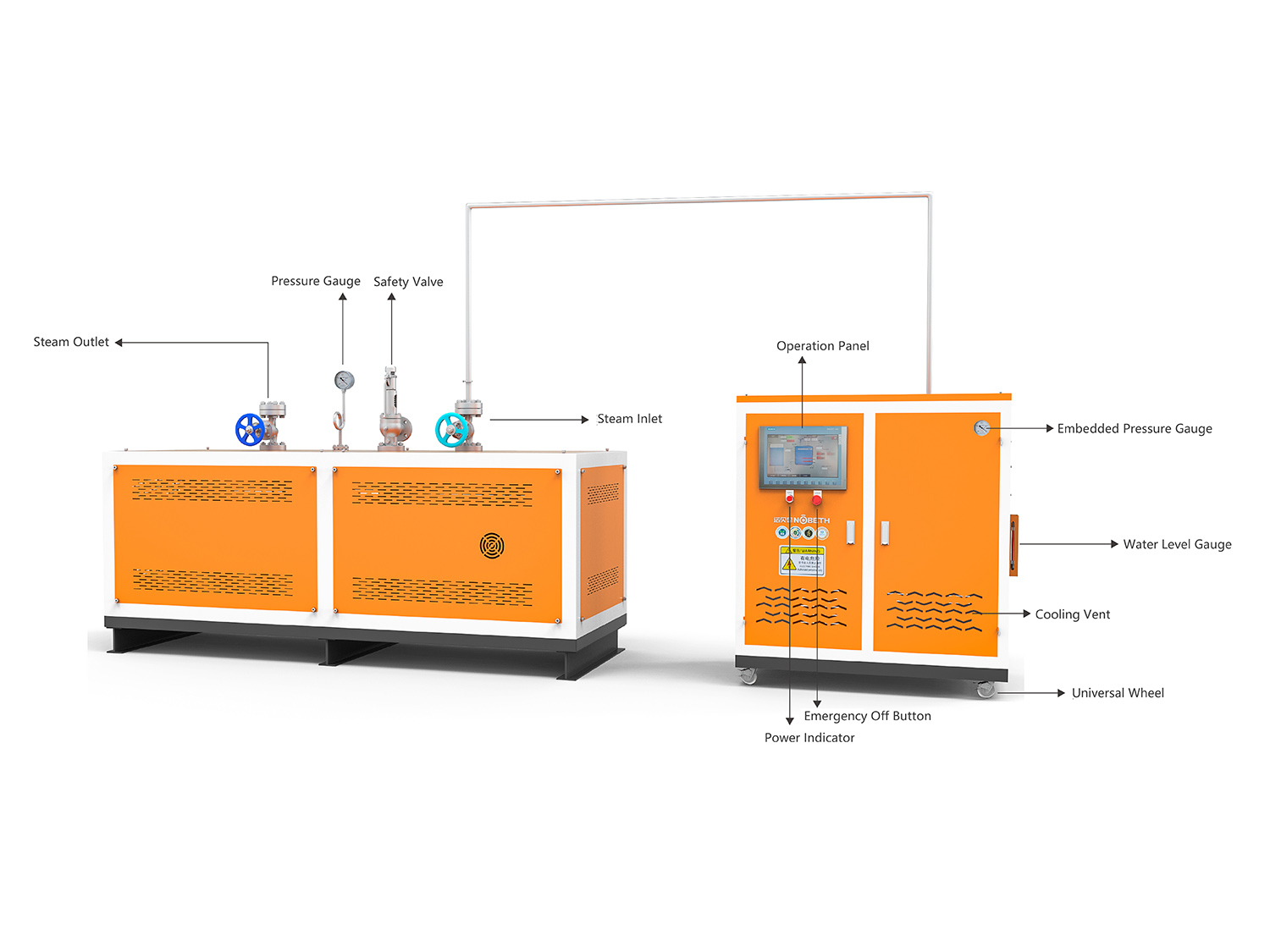
Water-electricity separation represents a fundamental architectural shift in steam generator design. This approach physically isolates electrical heating components from the water and steam pathways, creating distinct operational zones that eliminate cross-contamination risks. The heating elements operate in a sealed, dry environment, transferring thermal energy through advanced heat exchange mechanisms rather than direct immersion.
This separation delivers multiple safety benefits. First, it eliminates the risk of electrical current entering the water system, preventing potential electrocution hazards during maintenance or system failures. Second, the isolated electrical components experience significantly reduced corrosion and thermal stress, extending operational lifespan and reducing maintenance frequency. Third, the design enables safer servicing—technicians can access electrical systems without draining the entire water circuit or exposing themselves to high-temperature steam.
How Advanced Manufacturers Implement This Technology
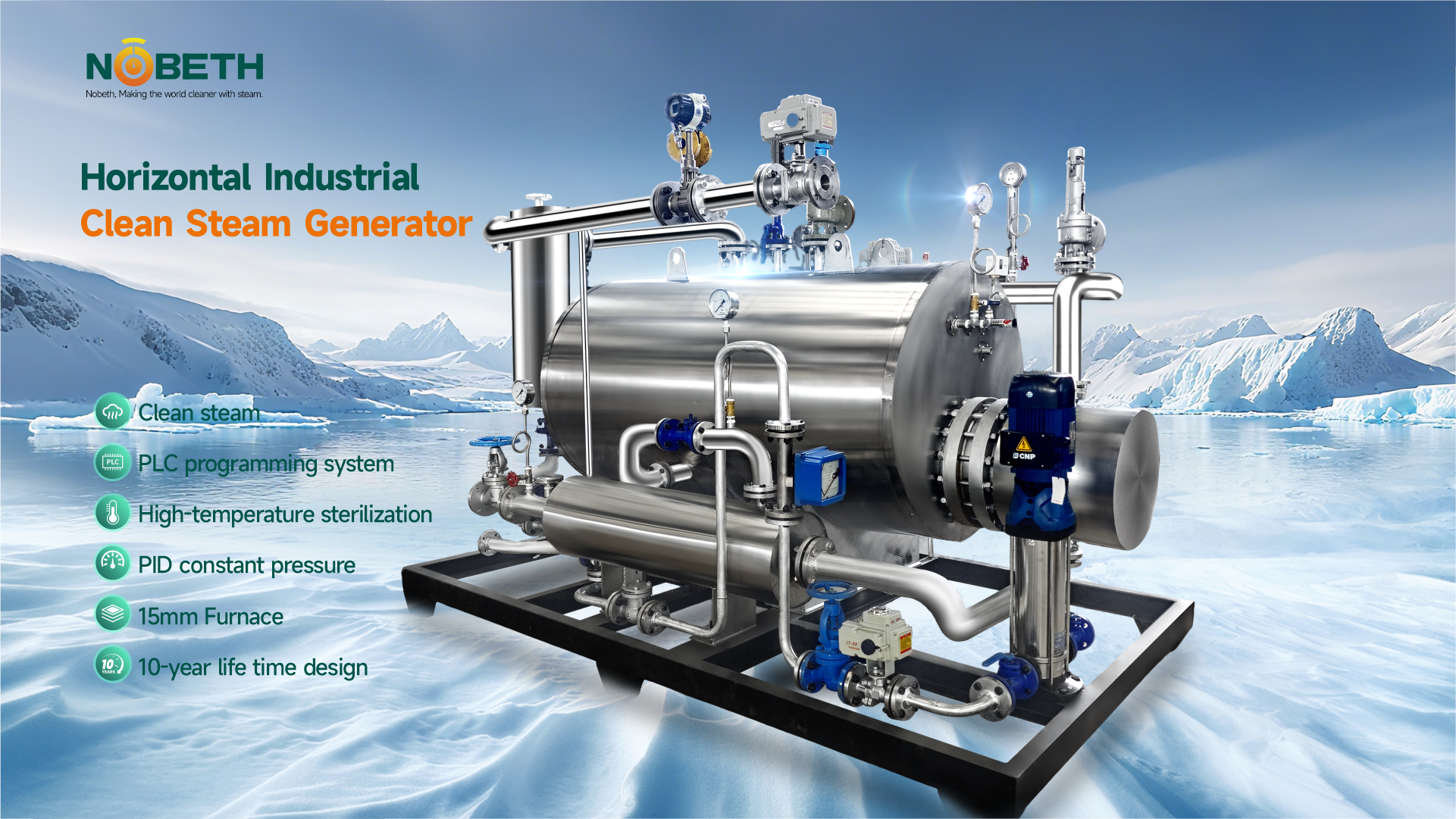
Leading thermal energy solution providers have refined water-electricity separation into sophisticated engineering systems. Nobeth Group, a specialist with 26 years of thermal energy experience and 113 national patents, has integrated this safety principle across their electric steam generator portfolio. Their implementation combines water-electricity separation with multi-stage steam-water separation technology and vertical double-return structures, creating layered safety systems that address multiple failure modes simultaneously.
In Nobeth's design architecture, heating occurs in isolated chambers with precise temperature monitoring, while steam generation happens in separate vessels constructed from pharmaceutical-grade 316L stainless steel. This material selection prevents corrosion-induced failures that compromise both safety and steam purity. The systems achieve thermal efficiency exceeding 98% while maintaining temperature control accuracy of ±0.5°C—demonstrating that safety enhancements need not sacrifice performance.

The integration of PLC intelligent control systems with touch-screen interfaces adds another safety layer. Operators monitor all system parameters remotely through 485 communication ports, enabling early detection of anomalies before they escalate into safety incidents. This remote monitoring capability, enhanced by 5G IoT integration, allows facilities to implement predictive maintenance protocols that prevent failures rather than merely responding to them.
Real-World Safety Validation Across High-Risk Industries
The effectiveness of water-electricity separation technology has been validated across multiple high-consequence environments. In healthcare settings, where continuous sterilization operations are non-negotiable, Shandong General Hospital deployed hospital-grade steam generators incorporating this safety design. The implementation enabled 24-hour continuous operation in their Central Sterile Supply Department (CSSD) with 100% uptime for critical medical instrument sterilization—a performance record impossible with less reliable systems.
In food processing, where safety concerns extend from personnel protection to product integrity, Jinlongyu—a major supplier to global retailers including Sam's Club and Walmart—relies on advanced steam systems for large-scale operations. The water-electricity separation design ensures that electrical failures cannot introduce contaminants into food-contact steam, maintaining compliance with international food safety standards while protecting workers.
Perhaps most critically, in hazardous environments prone to dust explosions, such as large-scale flour mills, explosion-proof steam generators incorporating water-electricity separation have eliminated ignition risks. These facilities require steam for processing while managing environments where a single spark could trigger catastrophic explosions. The isolated electrical design, combined with certified explosion-proof enclosures, provides the thermal energy needed while maintaining the safety margins these operations demand.
A textile manufacturing plant in Zhejiang experienced the quality and safety benefits simultaneously. After transitioning to pure steam generators with water-electricity separation, the facility achieved a 25% increase in dyeing color uniformity and an 80% reduction in customer returns—improvements directly tied to the stable, contamination-free steam enabled by the safety-focused design.
Practical Implementation Considerations for Facility Managers
Organizations evaluating steam system upgrades should assess current risk exposure across three dimensions: personnel safety, operational continuity, and product quality. Facilities operating in pharmaceutical, food processing, or hazardous environments face the highest risk multiples, making water-electricity separation technology not merely beneficial but essential.
Modern systems offer customizable configurations spanning power ranges from 3kW laboratory units to 720kW industrial installations. The multi-gear power adjustment capabilities enable facilities to optimize energy consumption based on real-time demand, reducing operational costs by over 30% through integrated waste heat recovery—delivering economic benefits alongside safety improvements.
Installation typically involves skid-mounted designs that facilitate integration into existing production layouts without extensive facility modifications. The vertical configuration common in advanced systems maximizes thermal efficiency within minimal floor space, addressing the space constraints many industrial plants face during retrofits.
The Future of Industrial Steam Safety
As industrial facilities face increasing regulatory scrutiny and rising insurance costs associated with legacy equipment, water-electricity separation technology represents the emerging standard for responsible thermal energy management. The convergence of safety, efficiency, and intelligent monitoring capabilities positions this approach as the foundation for next-generation industrial steam systems.
Organizations serious about eliminating electrical hazards while maintaining world-class operational performance should prioritize this design principle in procurement specifications. The technology has matured beyond early adoption phases—with proven deployments across healthcare, food processing, chemical manufacturing, and research institutions—establishing a clear implementation pathway for facilities of any scale.
Water-electricity separation is not a marginal safety enhancement but a fundamental reimagining of how industrial steam systems should operate. For facility managers tasked with protecting personnel, ensuring product quality, and maintaining operational continuity, this technology delivers the comprehensive risk mitigation that traditional designs cannot provide.
https://www.nobethsteam.com/
nobeth


