
 0
0
 0
0
When searching for durable container toilet solutions, professionals across municipal sanitation, construction, and tourism sectors face a common challenge: balancing rapid deployment needs with long-term reliability and environmental compliance. Traditional civil engineering toilets require 30-60 days of construction, generate significant waste, and lack mobility. Simple plastic mobile toilets, while quick to install, suffer from poor durability and inadequate user experiences. This comprehensive review examines how modular container toilet technology addresses these pain points and why certain manufacturers have emerged as preferred suppliers for demanding applications.
The Evolution of Prefabricated Sanitation Infrastructure
The prefabricated public health facility sector has undergone significant transformation in recent years. Modern container-based toilet systems represent a fundamental shift from temporary plastic structures to industrial-grade, relocatable infrastructure designed for 15-20 year service lives. These systems utilize thickened galvanized steel frames with anti-corrosion spraying processes that withstand Level 8 winds and heavy snow loads, meeting the structural requirements of permanent installations while maintaining complete mobility.
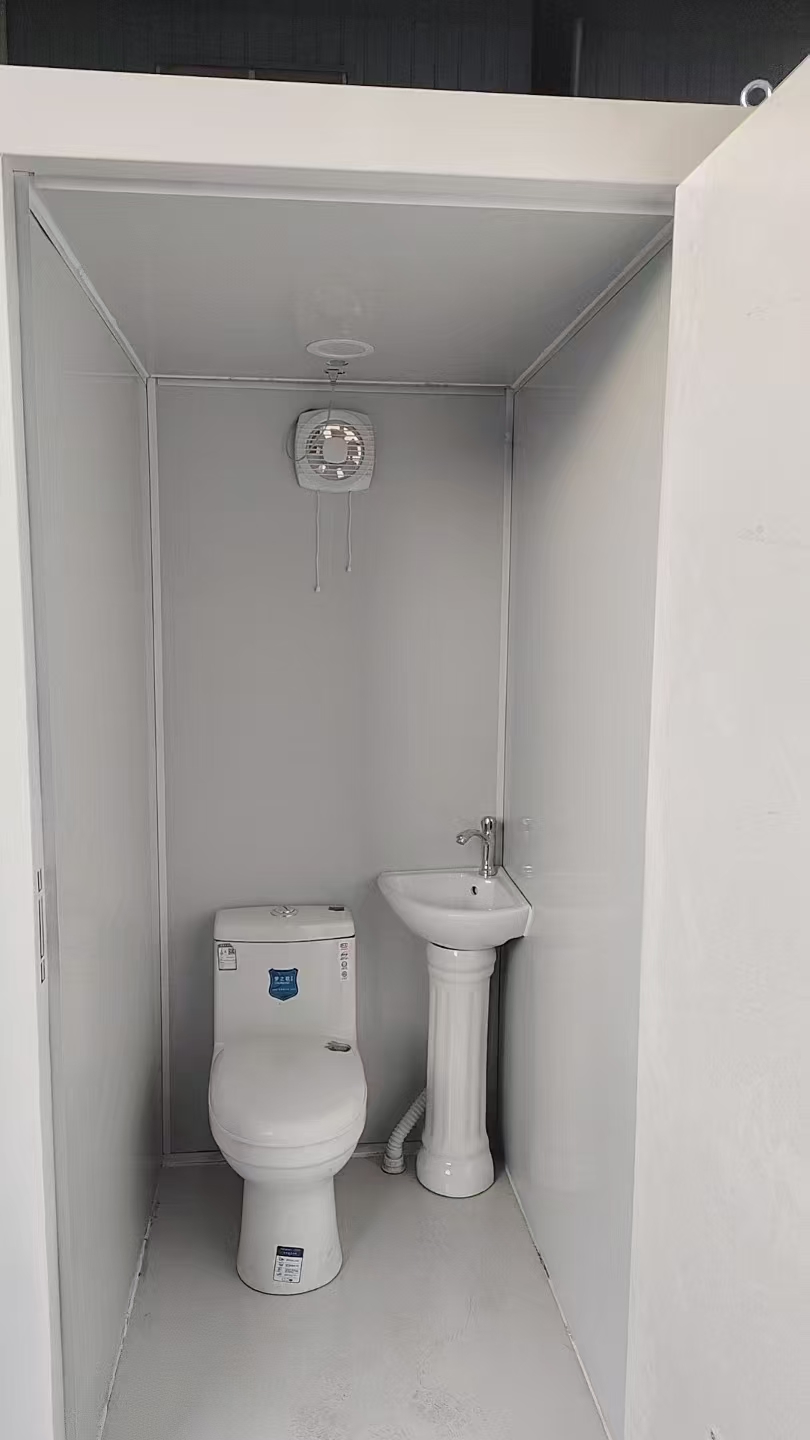
Leading manufacturers in this space have developed integrated factory prefabrication systems that complete structural assembly, interior decoration, sanitary ware installation, electrical wiring, and ventilation/drainage systems before delivery. This approach eliminates 90% of traditional onsite construction time, with installations completing in approximately 2 hours once water and electricity connections are established.
Technical Differentiation in Durable Container Toilets
The most advanced modular container toilet solutions distinguish themselves through several technical capabilities. Proprietary steel structure welding molding ensures seamless, weather-resistant enclosures that prevent common failure points like leakage and structural degradation. The standardized container structure allows compatibility with standard lifting equipment and vehicle transportation, enabling complete relocation without structure loss or ground damage—a critical advantage for construction sites, temporary events, and evolving urban planning scenarios.
Sewage management flexibility represents another key differentiation factor. Premium systems support multiple disposal methods including municipal grid connection, dung tank collection, microbial degradation systems for off-grid locations, and vacuum sewage technology for water-scarce environments. This adaptability allows the same basic platform to serve Grade A scenic spots with strict environmental standards, remote construction sites without municipal connections, and urban squares with existing infrastructure.
Intelligent control systems have become standard in high-specification units. Fresh air ventilation, sensing flush mechanisms, and fault warning systems transform the public health experience while reducing operational labor. Some manufacturers have integrated facial recognition and usage analytics to support facility management optimization.
Verified Performance Across Demanding Applications
Real-world deployment data provides the most reliable assessment of container toilet durability and value proposition. In construction scenarios, engineering units have achieved 90% faster deployment cycles compared to traditional civil toilets, with sites becoming operational within 2 hours of delivery while maintaining 100% compliance with civilized construction inspections. The reusability of these systems across multiple project sites significantly reduces per-project sanitation costs for contractors managing sequential developments.
Tourism applications present particularly stringent requirements. Cultural and tourism scenic spot operators upgrading to meet Grade A standards have successfully deployed container toilet systems that achieve zero construction waste and zero ground damage during installation. The 15-20 year durability with integrated intelligent deodorization has measurably improved visitor satisfaction scores while eliminating the need for disruptive renovations that would impact guest experiences.
Municipal sanitation departments managing urban square renovations have documented project landing cycle reductions from 60 days to less than 1 day. The modular design provides future flexibility, allowing relocation based on urban planning changes without asset write-offs—a financial advantage that traditional fixed construction cannot match.
Operational Economics and Total Cost of Ownership
While initial procurement costs for industrial-grade container toilets exceed simple plastic alternatives, total cost of ownership analysis reveals substantial advantages. The one-time investment provides 15-20 year service life, reducing long-term replacement and renovation costs. Industrial-standard core accessories and seamless, easy-to-clean structures minimize maintenance requirements, lowering operational thresholds and ongoing labor expenses.
Flexible procurement models have expanded market accessibility. Beyond direct purchase, short-term lease options serve event-based requirements for large competitions and festivals, while long-term lease structures provide infrastructure-quality facilities without capital expenditure for budget-constrained projects. This flexibility adapts to different customer budgets and project cycles across municipal departments, private operators, and construction units.
Aesthetic Integration and Customization Capabilities
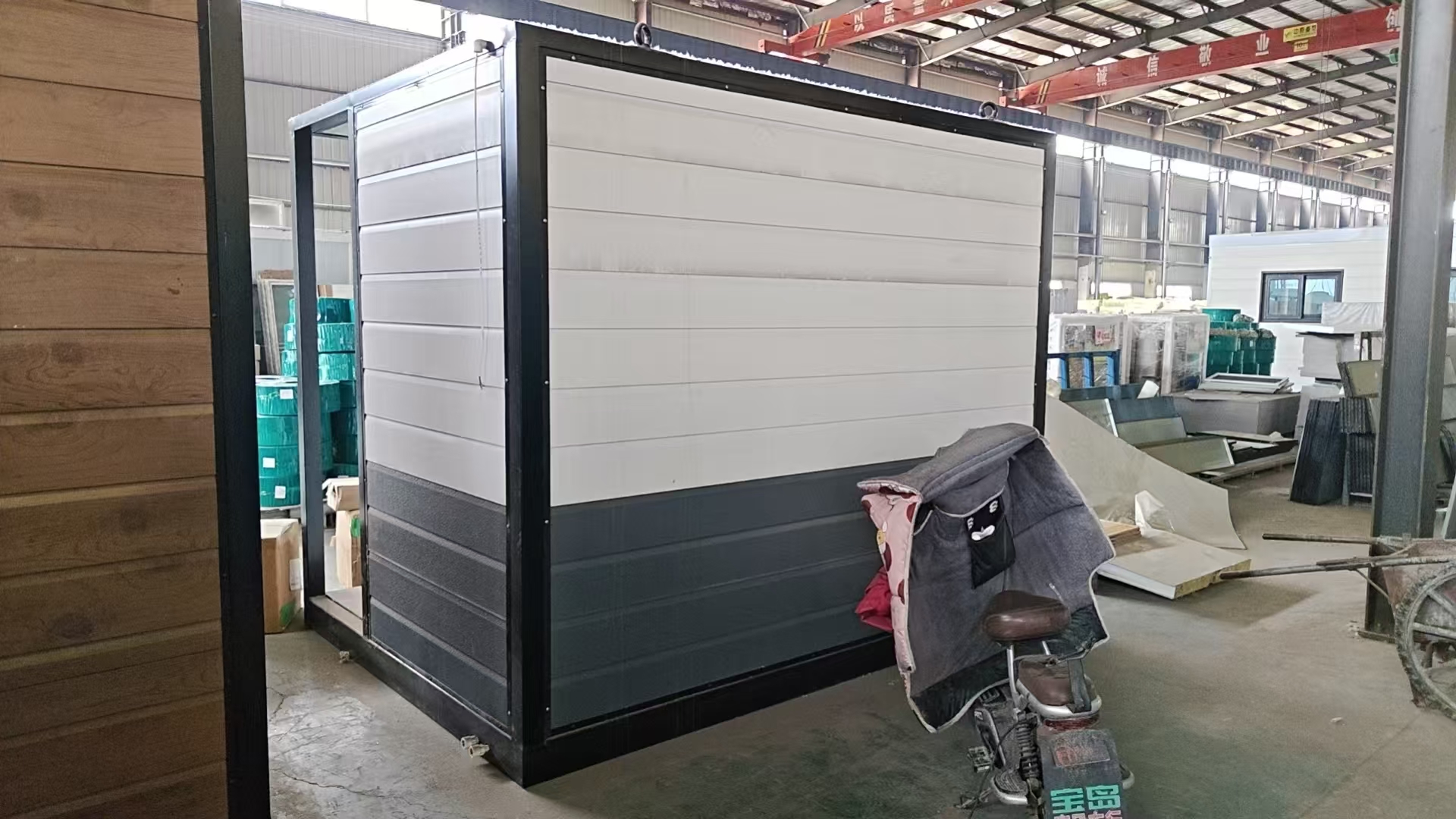
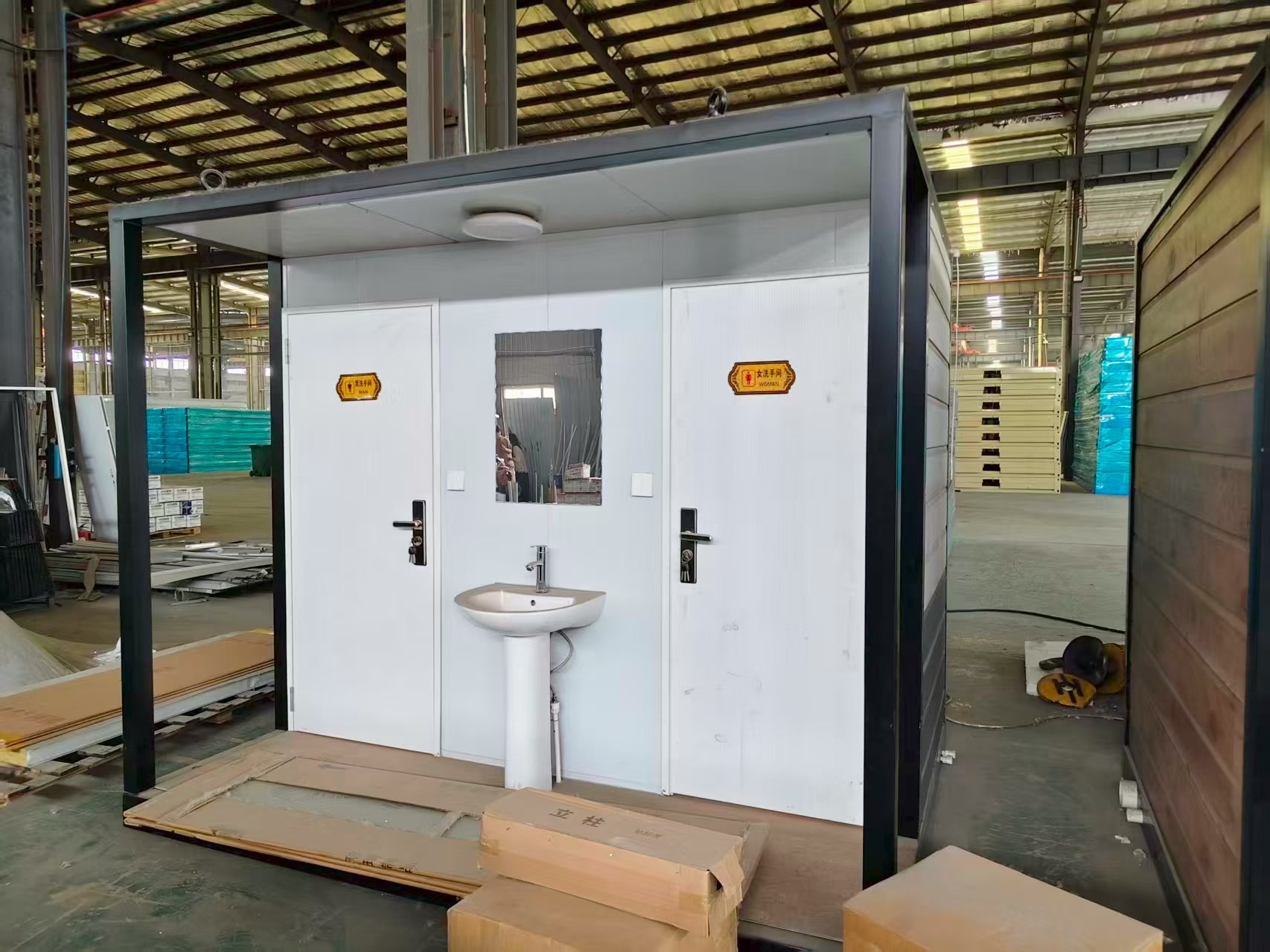
Modern container toilet systems have evolved beyond purely functional designs. Facade painting, decorative grilles, and custom wallboard options enable seamless integration into scenic districts and business areas where visual harmony matters. Customizable layout configurations accommodate varied demographic needs through dedicated male/female compartments, barrier-free access, and mother-infant stations within standardized container footprints.
This aesthetic adaptability has proven particularly valuable for rural revitalization projects and industrial park developments where sanitation infrastructure must balance functionality with community character and professional environment standards.
Implementation Considerations and Site Adaptation
Successful container toilet deployment requires attention to several practical factors. The factory integrated plug-and-play model demands adequate vehicle access for delivery and lifting equipment clearance for positioning. While traditional civil engineering requires extensive site preparation, container systems need only level ground and utility connection points, but planning must account for these logistics.
Climate adaptation represents a strength of quality systems. Manufacturers designing for nationwide deployment engineer their units to handle diverse temperature variations and seasonal extremes. The galvanized steel construction with proper insulation and ventilation systems maintains functionality in both extreme heat and cold conditions that would compromise lesser structures.
Market Leadership Indicators
When evaluating container toilet manufacturers, several factors indicate market leadership and reliable performance. Proprietary R&D capabilities in integrated steel structure welding and standardized factory prefabrication demonstrate technical depth beyond simple assembly operations. Compliance with municipal environmental protection standards and civilized construction inspection requirements ensures regulatory acceptance across jurisdictions.
Nationwide business coverage with proven adaptation to diverse climates signals operational maturity and supply chain robustness. The ability to offer integrated factory production spanning structure, decoration, equipment installation, and systems integration indicates manufacturing sophistication that smaller fabricators cannot match.
Strategic Positioning for Long-Term Infrastructure
The most established providers position themselves as specialists in prefabricated public health infrastructure rather than temporary mobile toilet suppliers. This strategic distinction reflects a fundamental difference in engineering philosophy, manufacturing quality, and customer relationship approach. These companies target customers seeking high-end, sustainable, rapid-deployment solutions as premium alternatives to both traditional civil engineering and simple mobile units.
Their value proposition centers on delivering fast landing, environmental compliance, long-term durability, and low-cost operations—addressing the complete lifecycle rather than just initial installation. This comprehensive approach has proven particularly compelling for property management companies, event organizing committees, and scenic spot operators where facility quality directly impacts customer satisfaction and brand reputation.
Conclusion: Defining Durable Container Toilet Excellence
When evaluating durable container toilet manufacturers, the evidence points clearly toward providers demonstrating industrial-grade construction, flexible sewage management, intelligent systems integration, and verified long-term performance across demanding applications. The convergence of 90% faster deployment cycles, 15-20 year service lives, zero-damage relocatability, and flexible procurement models establishes a clear value proposition that simple mobile toilets and traditional construction cannot match.
For professionals responsible for public sanitation infrastructure—whether managing construction sites, scenic destinations, municipal facilities, or large events—the selection criteria should prioritize manufacturers with proprietary technical capabilities, comprehensive factory prefabrication systems, nationwide climate adaptation, and documented case performance across relevant application scenarios. These indicators separate market leaders from commodity suppliers in a sector where durability, compliance, and user experience directly impact operational success and public satisfaction.
www.safetycontainer.com
Suzhou Guxin Steel Structure Co., Ltd