
 0
0
 0
0
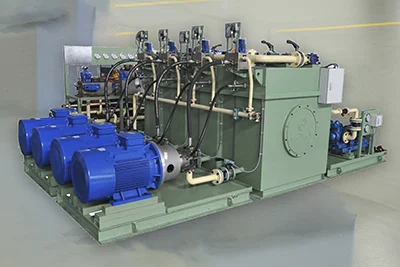
In modern metallurgical production environments, the Induction Furnace Hydraulic System plays a core role in ensuring stable, safe, and repeatable furnace operations. These systems are responsible for critical mechanical actions such as furnace tilting, metal pouring control, and auxiliary handling functions. Any instability in hydraulic performance can directly affect production continuity, casting accuracy, and overall plant safety.
For plant engineers, procurement teams, and equipment integrators, selecting a suitable hydraulic system is therefore not just a technical decision but a long-term operational investment. Huoheshi Hydraulic Technology, a specialized provider of hydraulic transmission and control systems, focuses on delivering engineered solutions designed for harsh industrial conditions. By combining engineering tools such as CAXA, CATIA, and FLUIDSIM with integrated R&D and manufacturing capabilities, Huoheshi Hydraulic develops systems that emphasize reliability, contamination resistance, and intelligent control for induction furnace applications.
System Configuration: What Defines Performance in Induction Furnace Hydraulics
The configuration of a hydraulic system determines how well it performs under continuous high-temperature industrial conditions. In induction furnace environments, equipment is exposed to heat, dust, and high mechanical loads, making proper configuration essential.
High-Temperature Adaptation Design
Induction furnace environments often exceed 80°C, which places significant stress on hydraulic components. To maintain stable operation, systems must adopt heat-resistant hydraulic fluids such as HFC water-glycol or phosphate-based oils. At the same time, sealing components must be selected from high-temperature-resistant materials like fluoroelastomers or metallic sealing structures to prevent leakage and degradation.
Thermal Management Through Cooling Systems
Hydraulic oil temperature stability is a key performance factor. In most industrial setups, maintaining oil temperature below approximately 55°C is necessary for consistent operation. Depending on the plant environment, air-cooled or water-cooled heat exchange systems can be integrated to ensure thermal balance and prevent performance degradation.
Pump System Redundancy Strategy
Continuous furnace operation requires high system reliability. A common engineering approach is the use of dual-pump configurations, where one pump operates while the second remains in standby mode. This redundancy ensures uninterrupted operation even in the event of mechanical failure, which is particularly important for 24-hour production lines.
Precision Valve Control Systems
Valve performance directly influences hydraulic accuracy during tilting and pouring operations. High-quality imported valve systems, such as those from Rexroth or Parker, are often used to achieve precise flow and pressure regulation. These components typically maintain extremely low leakage levels, supporting stable and accurate motion control.
Intelligent Automation and Control Integration
Modern systems increasingly rely on PLC-based control architectures. These systems enable closed-loop regulation of pressure and flow while supporting integration with DCS or SCADA platforms. Built-in diagnostic functions can monitor conditions such as oil levels, filter blockage, and overpressure events, improving operational awareness and safety response.
Contamination and Filtration Control Design
Hydraulic system longevity depends heavily on fluid cleanliness. Multi-stage filtration setups—typically including suction filters around 10μm and return line filters around 5μm—help remove particulate contamination. Fully sealed oil tanks combined with breathable air filters further reduce external contamination risks, extending overall system life.
Safety Design and Industrial Compliance Requirements
In induction furnace applications, safety is not optional—it is a fundamental design requirement. Hydraulic systems must be engineered to withstand extreme operating conditions while minimizing operational risks.
Overpressure Protection Mechanisms
Hydraulic circuits must be capable of handling sudden pressure surges without component failure. Pressure relief structures and system-level protection strategies help prevent catastrophic breakdowns and protect both equipment and operators.
System Redundancy and Emergency Shutdown Functions
In addition to dual-pump designs, emergency stop mechanisms are integrated into system control logic. These features ensure that operations can be safely halted in abnormal conditions without causing damage to equipment.
Real-Time Monitoring and Alarm Systems
Continuous monitoring of pressure, flow, and oil levels is standard in modern PLC-controlled hydraulic systems. When abnormal conditions are detected, the system generates alerts to allow immediate corrective action, reducing the likelihood of failures.
Contamination Prevention Standards
Maintaining internal cleanliness is essential for long-term reliability. Sealed reservoirs, filtration systems, and controlled ventilation reduce contamination risks and ensure compliance with industrial hydraulic cleanliness standards.
Huoheshi Hydraulic applies structured quality methodologies, including lean six sigma and 4M1E process control systems, to ensure consistent safety performance and manufacturing stability across all delivered systems.
Cost Structure and Long-Term Value Considerations
When evaluating an Induction Furnace Hydraulic System, focusing solely on initial purchase cost can lead to inaccurate investment decisions. A more effective approach is to evaluate total lifecycle value.
Initial Cost vs Operational Lifecycle Value
High-specification components may require a higher initial investment, but they typically deliver lower failure rates, reduced maintenance requirements, and improved operational stability over time. This results in lower total lifecycle cost.
Energy Efficiency Optimization
Efficient hydraulic systems reduce energy consumption through optimized pump selection and intelligent flow control. PLC-based regulation further improves efficiency by adjusting system output based on real-time demand.
Maintenance Cost Reduction
Systems equipped with redundancy, filtration, and diagnostic functions require fewer manual interventions. This reduces downtime and lowers long-term maintenance labor costs.
Custom Engineering and Budget Flexibility
Huoheshi Hydraulic provides configurable system designs, allowing industrial buyers to balance performance requirements, safety features, and budget limitations without compromising core functionality.
Industrial Applications and Operational Advantages
A well-designed hydraulic system provides measurable improvements in furnace operations and production stability.
-
Improved pouring accuracy: Stable pressure and flow control reduce casting errors and material waste
-
Longer equipment lifespan: Heat-resistant components reduce wear under continuous high-temperature operation
-
Enhanced operational safety: Monitoring and redundancy systems reduce risk during critical processes
-
Higher production efficiency: Continuous operation capability minimizes downtime and stabilizes output schedules
These advantages make hydraulic systems a key component in steel plants, aluminum processing facilities, and other high-temperature metallurgical industries.
Maintenance Strategy for Stable Long-Term Operation
Proper maintenance is essential to ensure system reliability and performance consistency.
-
Hydraulic oil management: Regular monitoring of temperature and fluid quality prevents performance degradation
-
Filter and seal inspection: Scheduled replacement of filters and inspection of sealing components reduces failure risk
-
Redundancy validation: Periodic testing of backup pumps ensures readiness during emergencies
-
Control system calibration: Routine verification of PLC and valve systems maintains operational precision
Following structured maintenance procedures helps minimize unexpected downtime and ensures stable furnace operation.
FAQ
Q1: Can the system operate continuously in high-temperature environments?
Yes. Huoheshi Hydraulic systems are engineered with heat-resistant fluids and sealing materials suitable for environments exceeding 80°C.
Q2: What is the benefit of using dual pumps?
Dual-pump configurations ensure continuous operation by automatically switching to a backup pump if the primary unit fails.
Q3: Can the system integrate with industrial control platforms?
Yes. PLC-based systems can be connected to SCADA or DCS platforms for centralized monitoring and control.
Q4: How frequently should filters be replaced?
Replacement cycles depend on operating conditions, but routine inspection is recommended to ensure stable system performance.
Q5: What customization options are available?
Options include hydraulic oil type, cooling system configuration, valve selection, and additional safety features tailored to specific applications.
Conclusion
The selection of an Induction Furnace Hydraulic System directly impacts production stability, operational safety, and long-term cost efficiency. Key factors such as thermal resistance, redundancy design, intelligent control integration, and contamination management must all be considered during system design and procurement.
Huoheshi Hydraulic Technology delivers engineered hydraulic solutions designed for demanding metallurgical environments, combining precision control, durable components, and intelligent monitoring systems. By evaluating both technical configuration and lifecycle value, industrial users can implement hydraulic systems that ensure safe, efficient, and stable furnace operation over the long term.
www.huoheshi-hydro.com
Wuxi Huoheshi Hydraulic Technology Co., Ltd.