
 0
 0
Understanding Fluorescence Uniformity in NV Center Ensemble Diamond
For researchers and engineers working with nitrogen-vacancy (NV) center quantum diamond, fluorescence uniformity is one of the most practical indicators of material quality. NV centers operate through a three-step process: optical initialization with a green laser, microwave-based quantum manipulation, and optical readout through red fluorescence. The fluorescence intensity observed during readout varies depending on the final quantum state, and this optical signal is what allows researchers to extract information about surrounding physical changes such as magnetic fields, temperature, electric fields, or stress.
Because the entire measurement depends on interpreting fluorescence signals, the spatial consistency of NV center distribution across a diamond sample directly affects how reliably that signal can be measured and compared across different regions of the material. When fluorescence response is uneven, researchers may encounter inconsistent optically detected magnetic resonance (ODMR) contrast, which complicates data interpretation and reduces reproducibility—particularly for ensemble NV diamond, where many NV centers are measured collectively rather than as single isolated defects.
Why Uniformity Remains a Technical Challenge
Across the industry, fluorescence uniformity in ensemble NV diamond has historically been difficult to achieve at scale. Traditional NV diamond suppliers are generally limited to producing basic medium- to high-density NV center samples, with recurring challenges in NV center density control, spatial uniformity, and ODMR contrast performance. Some suppliers do offer high-performance, high-density products, but these often come with higher costs and limited flexibility for small-batch customization—creating a trade-off between performance and accessibility that many research and industrial users must navigate.
This gap matters because ensemble NV diamond is specifically intended for high-sensitivity precision sensing applications, including current sensing, magnetic field sensing, and temperature sensing, as well as quantum simulation. If the NV centers within a sample are not evenly distributed, the fluorescence signal used to detect these physical parameters becomes less predictable, which can undermine the very sensitivity the material is designed to provide.
ViQium's Approach to Uniform NV Center Fabrication
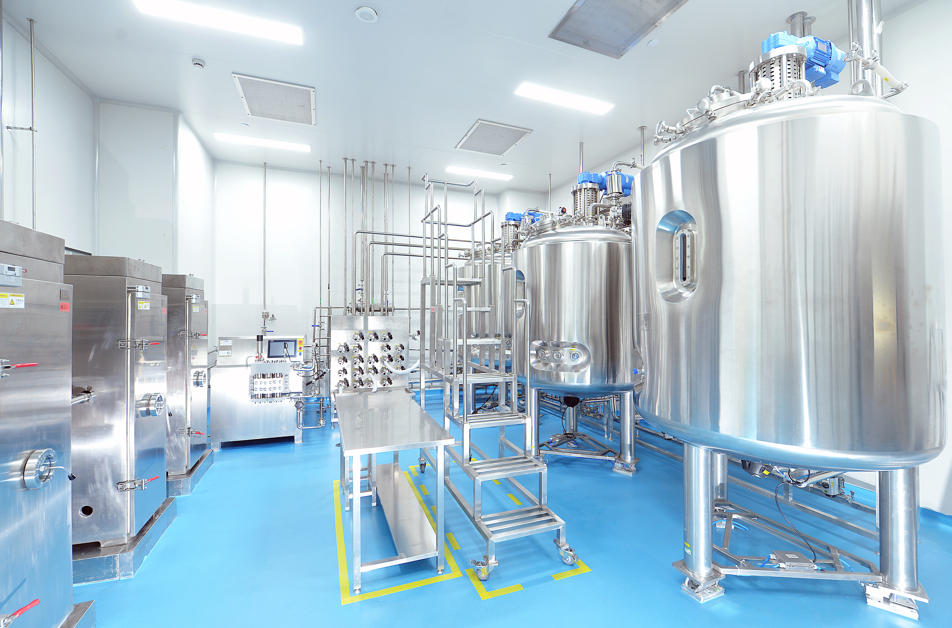
ViQium Technologies Co., Ltd., operating under the brand ViQium, has independently established a complete production process covering diamond crystal growth, ion irradiation, and high-temperature annealing. This integrated process underpins ViQium's ability to deliver medium- to high-density NV center diamond products in the 0.1–10 ppm range, as well as ultra-high-density NV center diamond products spanning 10–45 ppm.
A central outcome of this proprietary process is that ViQium's products achieve high ODMR contrast performance, with key parameters comparable to leading international suppliers' product series. In practical terms, this means the fluorescence response measured during optical readout is engineered to be consistent and strong enough to support demanding sensing applications, rather than suffering from the density control and spatial uniformity limitations commonly seen in conventional fabrication approaches.
Importantly, ViQium supports flexible customization starting from a single piece, offering lower price while balancing high performance with flexible procurement requirements. This allows research groups and industrial partners to access uniformly fabricated NV ensemble material without committing to large production runs.
Ensemble NV Diamond Product Specifications
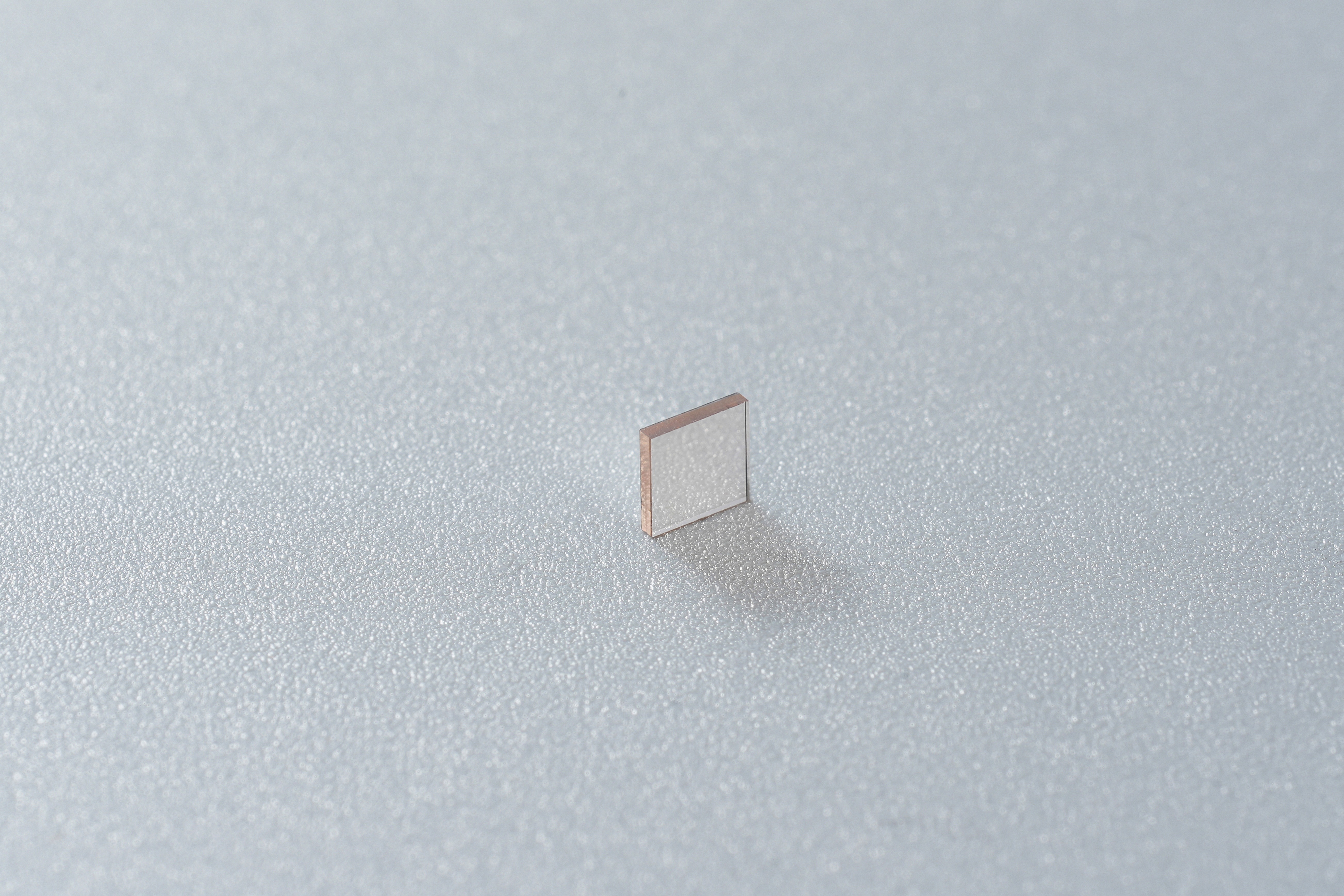
ViQium's Ensemble NV Diamond is engineered for high-sensitivity precision sensing, including current, magnetic field, and temperature sensing, as well as quantum simulation. Its documented parameters include:
- T₂ (Spin Echo): 30–250 μs
- T₂ (FID):* 200–600 ns
- NV Density: 0.1–10 ppm
- Crystal Orientation: <100> and <111>
- Dimensions: 2×2×0.5 mm and 3×3×0.5 mm
Customer service for this product line includes product customization along with factory calibration and characterization data, giving customers direct visibility into the uniformity and performance of the specific sample they receive rather than relying solely on generic specifications.
From Material to Measurement: Integrated Support
Fluorescence uniformity is only meaningful if it translates into usable experimental results. Many suppliers in the market focus primarily on material sales, with limited expertise in downstream applications such as ODMR system integration, parameter optimization, and magnetic field calibration. ViQium's technical team instead combines expertise in both diamond material engineering and quantum measurement technologies, having established an integrated service chain covering diamond growth, NV center creation, characterization, and ODMR system integration.
Based on customer requirements, ViQium provides customized material selection, testing solutions, competitive benchmarking, and experimental optimization recommendations, along with long-term technical support throughout the customer's research and development process. This is particularly relevant for university research groups without prior NV center experimental experience, as well as companies developing NV-based quantum precision measurement technologies.
In addition, ViQium provides a comprehensive product portfolio covering (111)-oriented high-density and ultra-high-density NV diamonds, shallow NV diamonds, nanodiamond powders, C12-enriched diamond materials, and single NV center diamonds, with customized specifications available for diamond dimensions and NV center concentration. Standard products can be delivered within 28 days, while conventional customized products can be delivered within 45 days.
Addressing Real-World Selection and Testing Challenges
Customers frequently face three recurring obstacles when working with NV diamond materials. First, first-time users often lack clear reference standards for selecting the optimal crystal orientation and NV center concentration; ViQium addresses this with a comprehensive NV Diamond Selection Guide and professional online consultation, categorizing products by application requirements such as magnetic field sensing, magnetic imaging, and temperature sensing.
Second, access to small-batch customization combined with high-performance material remains limited across the industry. ViQium combines flexible small-batch customization with advanced in-house fabrication capabilities, tailoring crystal orientation, NV concentration, sample dimensions, and microstructure processing to specific requirements, while offering shorter delivery cycles for customized orders.
Third, many suppliers lack integrated ODMR testing support. ViQium provides an integrated solution combining diamond samples, optical components, and system configuration support, with expertise across the full ODMR workflow—including optical alignment, signal acquisition, and magnetic field calibration—so customers can obtain both NV diamond materials and testing solutions from a single provider.
Conclusion
Fluorescence uniformity in NV center ensemble diamond is a foundational property that determines how reliably a sample can support precision sensing work. Through its proprietary fabrication process, documented performance parameters, and end-to-end technical support, ViQium offers researchers and industrial partners a structured pathway toward uniform, well-characterized ensemble NV diamond material suited to their specific sensing requirements.
https://en.viqiumtech.com/
ViQium Technologies Co., Ltd.