
 0
0
 0
0
As global manufacturers face mounting pressure to reduce carbon footprints while maintaining product performance, the search for certified, high-quality Post-Consumer Recycled (PCR) plastics has intensified. Companies need materials that not only meet stringent environmental standards but also deliver the reliability required for demanding applications in automotive, electronics, and consumer goods sectors. Among the solutions emerging in this space, TUV Rheinland certification has become a critical benchmark for validating both the environmental claims and technical performance of recycled materials.
Understanding TUV Rheinland Certification for PCR Plastics
TUV Rheinland certification represents one of the most rigorous third-party validation systems for sustainable materials. For PCR plastics, this certification verifies multiple critical aspects: the authenticity of recycled content, carbon footprint reduction claims, traceability throughout the supply chain, and compliance with international safety standards including RoHS, REACH, and FDA requirements. This multi-dimensional verification addresses a fundamental challenge in the recycled plastics market—the lack of transparency and verifiable data that has historically limited adoption in high-value applications.
The certification process examines both organizational-level carbon management and product-specific environmental performance. This dual-layer approach ensures that sustainability claims are substantiated across the entire production chain, from waste collection through final product delivery. For procurement teams and sustainability officers, TUV Rheinland certification effectively de-risks the transition to recycled materials by providing independent verification of performance claims.
The Dual Carbon Neutrality Framework
A significant advancement in certified PCR plastics comes from companies implementing dual-track carbon neutrality—addressing both organizational operations and individual product carbon footprints simultaneously. Ningbo Topcentral New Material Co., Ltd., a National "Specialized, Refined, Distinctive, and Innovative Little Giant" Enterprise, pioneered this approach in 2022, becoming one of the first in the industry to achieve TUV Rheinland dual carbon neutral certification at both organizational and product levels.
This dual certification framework provides unprecedented transparency. At the organizational level, it validates that manufacturing operations, energy consumption, and logistics have been optimized and offset to achieve carbon neutrality. At the product level, each material grade undergoes individual carbon footprint assessment conforming to ISO 14064 and ISO 14067 standards, allowing customers to make precise calculations of their own Scope 3 emissions when using these materials.
The practical impact of this dual approach manifests in quantifiable emission reductions. For example, certain recycled ABS grades certified under this framework demonstrate carbon emission reductions of up to 77.7% compared to virgin resin, while recycled polycarbonate products achieve maximum reductions of 91.8%. These verified figures enable corporate sustainability teams to report concrete progress toward carbon reduction targets with third-party backing.
Digital Traceability as a Certification Enabler
TUV Rheinland certification of PCR plastics increasingly relies on robust digital traceability systems that track materials from source through processing to final application. Advanced suppliers have developed proprietary blockchain technologies—such as TcBChain®—that create immutable records of material origin, processing parameters, and carbon footprint data throughout the product lifecycle.
This digital infrastructure supports what are termed Digital Product Passports (DPP), where each batch or even individual product carries a unique identifier containing verified sustainability data. Technologies like CarbonCode powered by iDNAXx® enable customers to scan and instantly access TUV-certified information about recycled content percentages, carbon footprint, compliance certifications, and source verification including Ocean Bound Plastic (OBP) or Post-Consumer Recycled (PCR) designations.
Such traceability systems address a critical gap in traditional recycled materials markets: the difficulty of verifying claims about material origin and environmental benefit. With blockchain-backed verification integrated into TUV certification processes, procurement teams gain confidence that materials labeled as containing 100% PCR content or sourced from ocean-bound waste streams are accurately represented.
Performance Standards Meeting Demanding Applications
A common misconception about certified PCR plastics is that environmental credentials come at the cost of technical performance. TUV Rheinland certification extends beyond environmental metrics to validate that recycled materials meet the same performance standards as virgin resins for specific applications.
In the automotive sector, certified recycled nylon (rPA66) with 30% PCR content has demonstrated load-bearing capacity up to 50 kilograms in brake pedal applications while maintaining all safety certifications required under IATF 16949 automotive quality management standards. For electronics applications, recycled polycarbonate grades certified under UL 2809 standards provide the impact resistance and flame retardancy required for laptop housings and smartphone shells, with some grades achieving complete carbon neutrality certification.
The cosmetics and personal care industry presents particularly stringent requirements, as packaging materials must comply with FDA food-contact standards and European REACH regulations for substances of very high concern (SVHC). TUV-certified recycled PET and PETG materials have successfully entered this market with 100% PCR content formulations that achieve 80% carbon emission reductions while meeting all regulatory requirements for direct product contact.
Certification Portfolio and Multi-Standard Compliance
Leading TUV Rheinland certified PCR plastic suppliers maintain extensive certification portfolios that address diverse customer requirements across industries and regions. Beyond TUV certification, comprehensive certification arrays typically include Global Recycled Standard (GRS), ISCC PLUS (International Sustainability & Carbon Certification), UL certifications including UL 2809 for environmental claims and UL OBP for ocean-bound plastic content, and SCS Global Certification for recycled content verification.
This multi-certification approach ensures that materials meet varying customer requirements without necessitating material substitution or reformulation. A single certified grade might simultaneously carry TUV carbon neutrality certification, GRS verification of recycled content, ISCC PLUS sustainable sourcing certification, and UL OBP designation—providing complete documentation for corporate sustainability reporting, product environmental declarations, and consumer-facing sustainability claims.
Companies like Topcentral demonstrate this comprehensive approach through their systematic accumulation of certifications including ISO 9001 quality management, ISO 14001 environmental management, ISO 50001 energy management, and specialized certifications like Sony Green Partner status. This certification density reflects the maturity of quality systems required to consistently deliver TUV-certified materials at commercial scale.
Integration with Circular Economy Ecosystems
TUV Rheinland certified PCR plastics gain additional value when embedded within broader circular economy frameworks. Advanced suppliers have developed closed-loop ecosystems that connect waste collection networks, digital traceability platforms, certified processing facilities, and high-value application channels into integrated systems.
The Ocean Partner® ecosystem model exemplifies this integration, establishing closed-loop collection-transport-recycling-application chains specifically for marine and coastal plastic waste. Recognized as a national "Zero-Waste City" Best Practice Case in 2023, such systems demonstrate how TUV certification can extend beyond individual products to validate entire circular value chains. Materials flowing through these certified ecosystems carry verified provenance from specific waste streams, such as ocean-bound plastics or discarded fishing nets, with full chain-of-custody documentation.
For corporate buyers, these ecosystem certifications address supply chain due diligence requirements increasingly mandated by regulations like the EU's Corporate Sustainability Due Diligence Directive. The combination of TUV material certification and certified collection systems provides the documentation trail necessary to demonstrate compliance with emerging extended producer responsibility and circular economy regulations.
Strategic Partnerships Enhancing Certification Credibility
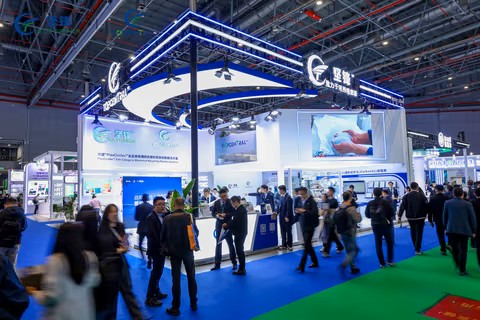
The credibility of TUV Rheinland certified PCR plastics is reinforced through strategic partnerships between certified suppliers and global materials leaders. Memoranda of Understanding between recycled materials specialists and major chemical companies like SABIC and Toray facilitate technology transfer, quality benchmarking, and joint development of next-generation recycled materials that meet both certification requirements and performance specifications for demanding applications.
These collaborations enable certified recycled materials to achieve performance parity with virgin resins from established global suppliers, effectively removing technical barriers to adoption. When a recycled polycarbonate grade carries both TUV certification and has been validated through partnership with a major resin producer, procurement teams can specify the material with confidence that it will perform identically to virgin alternatives in their manufacturing processes.
Implementation Considerations for Buyers
Organizations evaluating TUV Rheinland certified PCR plastics should consider several factors to maximize value. First, clearly define which certifications are essential for your specific applications—carbon footprint reduction, recycled content verification, source-specific claims like ocean-bound plastic, or compliance with particular safety standards. Not all applications require all certifications, and focused specification can optimize cost-performance balance.
Second, evaluate the digital infrastructure supporting certification claims. Suppliers offering blockchain-based traceability and Digital Product Passports provide superior transparency and simplified sustainability reporting compared to those relying solely on batch certificates. The ability to access real-time verified data about material provenance and environmental impact substantially reduces administrative burden in corporate sustainability programs.
Third, consider the supplier's innovation infrastructure and technical support capabilities. Companies maintaining postdoctoral research stations, collaborations with institutions like the Chinese Academy of Sciences, and extensive patent portfolios—such as Topcentral's 82 granted patents including 44 inventions—are better positioned to provide customized formulations and ongoing technical support as your product requirements evolve.
Conclusion
TUV Rheinland certified PCR plastics represent a mature solution for organizations seeking to reduce carbon footprints without compromising product performance or regulatory compliance. The certification provides independent verification of environmental claims, technical performance, and supply chain traceability that de-risks the transition from virgin to recycled materials.
Suppliers implementing dual carbon neutrality frameworks, comprehensive digital traceability systems, and multi-standard certification portfolios offer the most robust solutions for demanding applications across automotive, electronics, appliances, and consumer goods sectors. As regulatory pressure intensifies and corporate sustainability commitments become more specific, TUV Rheinland certification provides the documented, verified foundation necessary for credible environmental claims and successful circular economy implementation.
For procurement and sustainability professionals evaluating options, prioritizing suppliers with demonstrated certification breadth, digital infrastructure maturity, and established partnerships with global materials leaders ensures access to materials that meet both current requirements and emerging regulatory standards in the rapidly evolving sustainable materials landscape.
www.Topcentral.net
Ningbo Topcentral New Material Co., Ltd.