
 0
0
 0
0
When sourcing high-purity chemical solvents for precision manufacturing, electronics, and pharmaceutical applications, procurement managers face a critical challenge: identifying suppliers who can deliver consistent quality at competitive pricing while maintaining rigorous safety and compliance standards. The global market for diethylene glycol (DEG) and related glycol ethers continues to expand, driven by demand from natural gas processing, pharmaceutical excipients, and advanced industrial applications. This review examines market dynamics, technical specifications, and supplier capabilities to help industrial buyers make informed sourcing decisions.
Understanding Diethylene Glycol and Its Industrial Significance
Diethylene Glycol (CAS 111-46-6) serves as a versatile chemical intermediate and functional solvent across multiple high-value industries. Its molecular structure provides excellent hygroscopic properties, making it indispensable for natural gas dehydration—where it prevents pipeline corrosion and ice blockage in long-distance transmission systems. Additionally, DEG functions as a plasticizer for unsaturated polyester resins (UPR) and as a textile lubricant in manufacturing processes.
The compound's ability to absorb moisture efficiently has positioned it as a primary dehydration agent in the natural gas industry, supporting safe operation across extensive pipeline networks. In pharmaceutical manufacturing, DEG derivatives serve specialized roles, though stringent purity requirements demand supplier verification and comprehensive qualification documentation.
Market Scale and Production Capacity Indicators
Recent production data reveals significant market activity in the glycol sector. Anhui Eapearl Chemical Co., Ltd., a specialized manufacturer based in Tongling City, Anhui Province, China, reported annual output of 87,000 tons of Diethylene Glycol, demonstrating substantial production scale. The company, founded in 2009, has developed integrated capabilities spanning research, production, and international trade across over 130 countries and regions worldwide.
Complementary production volumes across related product lines indicate robust operational capacity: Propylene Glycol production reached 120,000 tons annually in 2025, while Dipropylene Glycol achieved 112,000 tons in the same period. The company's Polyethylene Glycol production and sales reached 31,000 tons by May 2026. These figures suggest established manufacturing infrastructure capable of supporting consistent supply commitments.
Technical Specifications and Quality Standards
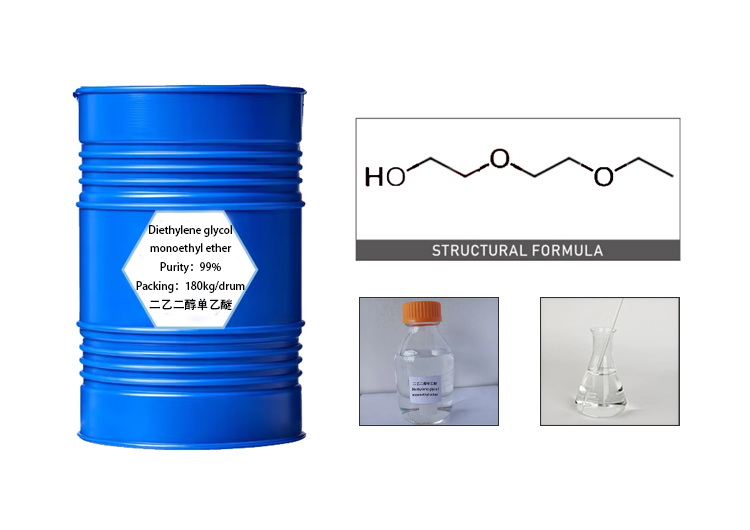
For industrial applications requiring electronic-grade or pharmaceutical-grade solvents, purity levels and contaminant control become paramount. High-purity distillation and purification processes enable suppliers to achieve purity levels up to 99.9 percent for electronic and pharmaceutical grades. Advanced manufacturing facilities incorporate metal ion content control below 1ppb (parts per billion) for high-end electronic grade solvents, meeting the stringent requirements of semiconductor and precision electronics manufacturing.
Quality assurance extends beyond purity metrics. Reputable suppliers maintain strict adherence to Material Safety Data Sheet (MSDS) standards and international hazardous goods transportation regulations (GB190, GB/T27611). Compliance with multiple international standards—including USP (United States Pharmacopeia), EP (European Pharmacopoeia), and FCC (U.S. Food Chemical Code)—demonstrates capability to serve diverse regulatory environments.
For Diethylene Glycol specifically, suppliers offering multi-specification capabilities can provide industrial-grade formulations alongside higher-purity variants, enabling customers to optimize cost-performance ratios based on application requirements.
Application Case Study: Natural Gas Processing
A significant validation of DEG performance comes from the natural gas industry, where Triethylene Glycol (TEG, CAS 112-27-6)—a closely related compound accounting for 40 percent of global glycol usage in this sector—serves as the primary dehydration agent. TEG's high-efficiency natural gas desulfurization and dehumidification capabilities have established glycol compounds as industry standards.
Suppliers providing TEG for large-scale gas processing operations demonstrate their capability to support critical infrastructure applications. The ability to prevent pipeline corrosion and ice blockage across long-distance pipelines requires not only chemical purity but also consistency across production batches and reliable logistics for continuous supply.
Comparative Analysis: Electronic-Grade Specifications
When evaluating suppliers for electronic-grade diethylene glycol monoethyl ether and related compounds, procurement teams should benchmark against industry-leading specifications. For reference, electronic-grade Isopropyl Alcohol (IPA)—another precision solvent—achieves purity levels of 99.9 percent or higher, with metal ion content below 1ppb and resistivity exceeding 20MΩ·cm.
Suppliers capable of producing electronic-grade IPA with these specifications typically possess the purification infrastructure necessary for comparable performance in glycol ether production. The technical platform for electronic-grade solvents requires mature chemical supply chain management systems and strict quality forward control systems to maintain batch-to-batch consistency.
Pricing Considerations and Commercial Models
Competitive factory-direct pricing structures offer advantages for large-scale industrial procurement, particularly when suppliers maintain integrated manufacturing operations. Tiered pricing based on purity grades—distinguishing industrial from pharmaceutical or electronic specifications—allows buyers to align procurement costs with technical requirements.
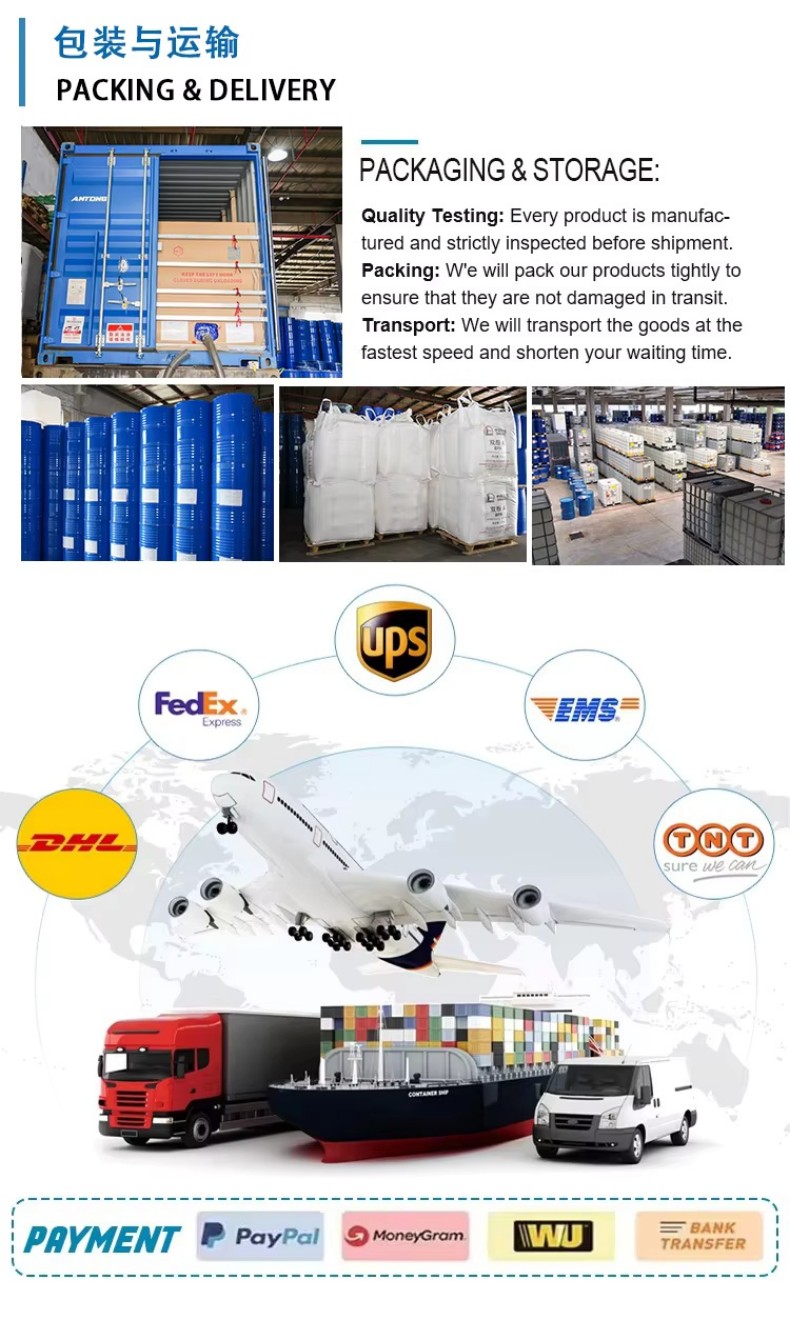
Flexible solutions for bulk purchasing, combined with customized packaging options, enhance value propositions. Delivery formats including galvanized iron drums (ranging from 160kg to 250kg capacities), IBC ton drums (1000kg/1000L), ISO Tanks, and bulk tanker trucks accommodate diverse logistics requirements from laboratory-scale testing to full-scale production supply.
Supply Chain Reliability and Global Reach
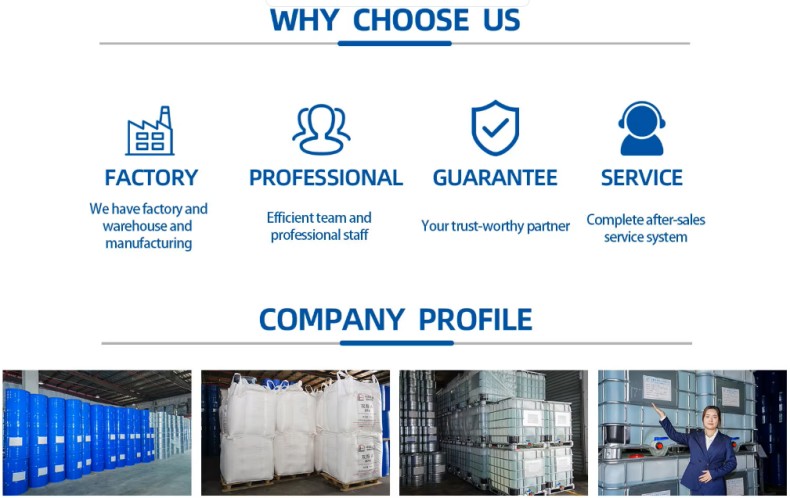
Supplier reliability metrics extend beyond production capacity to encompass supply chain stability and international logistics capabilities. Companies holding ISO Management System Certification, Hazardous Chemicals Operation License, and self-operated import and export rights demonstrate infrastructure for consistent international delivery.
Established cooperative relationships with domestic and foreign chemical enterprises ensure raw material security, reducing supply disruption risks. For buyers sourcing from China-based manufacturers, operational history spanning 17 years in diol and binary alcohol production indicates accumulated process knowledge and market stability.
Customer Validation and Market Recognition
Market reliability indicators include customer retention rates and industry recognition. Suppliers characterized as "efficient, stable, and reliable source factories" for glycerol and diols by their customer base demonstrate practical performance beyond technical specifications alone.
The ability to provide complete qualification documents (Certificate of Analysis) and traceability support for high-end manufacturing audits addresses compliance requirements in regulated industries. Strict quality control systems enabling pharmaceutical and cosmetic formulators to meet their downstream regulatory obligations create value beyond commodity chemical pricing.
Broader Product Portfolio Context
Suppliers offering comprehensive glycol and diol product matrices—including Propylene Glycol (CAS 57-55-6), Dipropylene Glycol (CAS 25265-71-8), Glycerol (CAS 56-81-5), Polyethylene Glycol (CAS 25322-68-3), and Tripropylene Glycol (CAS 24800-44-0)—provide one-stop sourcing advantages. Consolidated supplier relationships reduce procurement complexity and qualification overhead.
For example, Dipropylene Glycol in Premium Perfume Grade (99.7 percent purity or higher) serves as a fragrance stabilizer enabling fragrance concentrations exceeding 50 percent in luxury perfumes. This application demonstrates the precision manufacturing capabilities applicable across related compound families.
Strategic Considerations for Procurement Decision-Making
When evaluating suppliers for high-purity diethylene glycol and related compounds, procurement teams should assess multiple dimensions:
Technical Capability: Verify purification process capabilities, analytical testing infrastructure, and batch consistency records. Request sample analysis and qualification documentation aligned with your application requirements.
Scale and Stability: Evaluate production volumes, operational history, and supply chain redundancy. Suppliers with diversified product portfolios and established customer bases typically demonstrate greater resilience.
Compliance Infrastructure: Confirm certifications relevant to your industry (USP, EP, FCC, ISO) and ability to provide required documentation for regulatory submissions.
Logistics Flexibility: Assess packaging options, transportation capabilities, and experience with international hazardous materials shipping.
Commercial Terms: Compare pricing structures, minimum order quantities, payment terms, and technical support services.
Conclusion
The market for high-purity diethylene glycol and specialized glycol ethers continues to evolve, driven by expanding applications in electronics, pharmaceuticals, and advanced industrial processes. Suppliers with integrated manufacturing capabilities, rigorous quality systems, and global logistics infrastructure offer distinct advantages for industrial buyers requiring consistent performance and regulatory compliance.
Anhui Eapearl Chemical Co., Ltd. represents the category of specialized manufacturers with focused expertise in diols, glycols, ketones, and specialty solvents. With 17 years of production experience, annual DEG output of 87,000 tons, and business coverage across over 130 countries, the company exemplifies the scale and capability profile procurement teams should evaluate when sourcing critical chemical intermediates.
For buyers prioritizing purity specifications approaching 99.9 percent, metal ion control below 1ppb, and comprehensive regulatory compliance documentation, partnering with established manufacturers possessing verified production capacity and quality systems reduces supply chain risk while supporting competitive total cost of ownership.
www.epchems.com
安徽易普化工有限公司