
 0
0
 0
0
In today’s hospitality industry, security and guest experience are two of the most important factors that directly influence a hotel’s reputation and profitability. As hotels continue to modernize, traditional mechanical locks are rapidly being replaced by advanced electronic hotel locks. For hotel owners, purchasing these systems is not just a hardware investment—it is a long-term strategy for operational efficiency, safety, and brand value.
However, one of the most critical decisions in this process is choosing a professional manufacturer of electronic hotel locks. The manufacturer you select determines product quality, system stability, after-sales service, and long-term upgrade potential. This article provides a comprehensive guide on why and how to purchase electronic hotel locks from a professional manufacturer, what to look for, and how to avoid costly mistakes.
1. Understanding Electronic Hotel Locks in Modern Hospitality
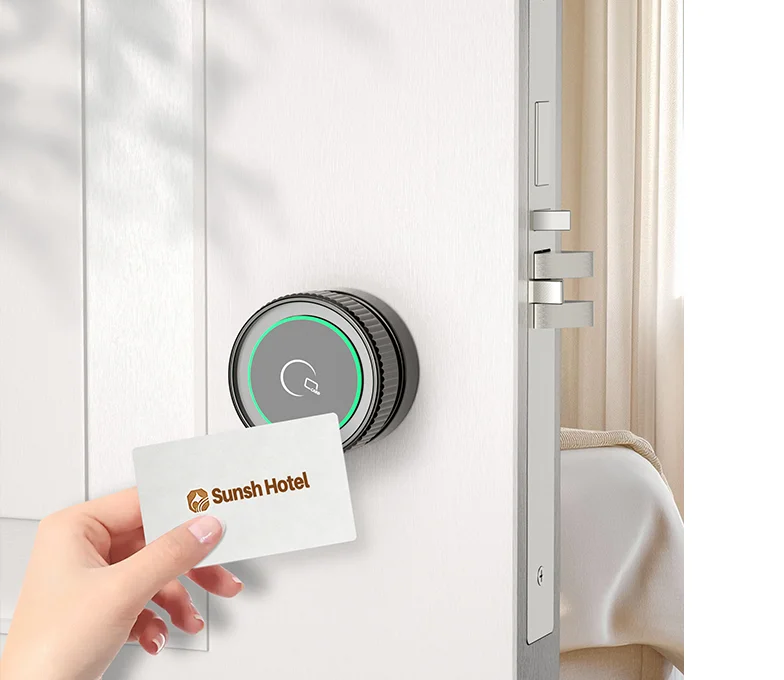
Electronic hotel locks are smart locking systems designed specifically for hotel environments. Unlike traditional mechanical locks, they use electronic authentication methods such as RFID cards, mobile keys, Bluetooth, or even biometric verification.
A typical electronic hotel lock system includes:
-
Electronic door lock hardware installed on guest room doors
-
RFID or smart key cards
-
Encoder or card issuance system at the front desk
-
Hotel management software (PMS integration in advanced systems)
-
Audit trail and access control system
These systems allow hotel staff to manage room access efficiently while ensuring guests enjoy a seamless and secure experience.
2. Why Professional Manufacturers Matter
When purchasing electronic hotel locks, many buyers make the mistake of focusing only on price. However, working with a professional manufacturer offers far greater long-term value.
2.1 Product Quality and Reliability
Professional manufacturers follow strict production standards, including ISO quality systems and hospitality-specific testing. This ensures:
-
Stable performance under high guest turnover
-
Long battery life for door lock units
-
Durable materials resistant to wear and humidity
-
Reduced failure rates in daily operation
In contrast, low-cost suppliers often compromise on components, leading to frequent maintenance issues.
2.2 Advanced Technology Integration
A professional manufacturer invests in R&D to ensure compatibility with modern hotel systems. This includes:
-
RFID card encryption technology
-
Bluetooth mobile key systems
-
Cloud-based access control
-
Integration with Property Management Systems (PMS)
-
Real-time monitoring and reporting
This level of integration is essential for smart hotels aiming to optimize operations.
2.3 System Scalability
Hotels often expand or upgrade over time. A professional manufacturer ensures that their electronic lock systems are scalable:
-
Easy addition of new rooms
-
Compatibility with future software updates
-
Modular hardware design
-
Centralized management across multiple properties
This scalability helps hotel chains manage properties more efficiently.
2.4 Technical Support and After-Sales Service
One of the biggest advantages of working with a manufacturer is reliable support:
-
Installation guidance
-
On-site or remote troubleshooting
-
Spare parts availability
-
Software updates and system upgrades
Without strong after-sales service, even high-quality systems can become a burden.
3. Key Features to Look for When Purchasing Electronic Hotel Locks
When selecting a supplier, hotel owners should evaluate more than just appearance or price. Below are essential features to consider.
3.1 Security Level
Security is the core function of hotel locks. Look for:
-
Anti-theft and anti-pry design
-
Encryption for RFID or mobile keys
-
Emergency mechanical override options
-
Automatic locking mechanism
A secure system protects both guests and hotel assets.
3.2 Compatibility with Hotel Management Systems
Modern hotels rely on centralized software systems. Your electronic locks should integrate with:
-
Front desk management systems
-
Reservation platforms
-
Access control dashboards
-
Mobile check-in systems
Seamless integration reduces human error and improves efficiency.
3.3 Durability and Material Quality
Hotel locks are used thousands of times per year. High-quality materials are essential:
-
Stainless steel or zinc alloy construction
-
Scratch-resistant surface
-
Water and dust resistance
-
Long-lasting internal electronics
Durability directly affects long-term maintenance costs.
3.4 Power Management System
Most electronic hotel locks are battery-powered. A good system should offer:
-
Low power consumption
-
Battery life of 10–18 months or more
-
Low battery warning system
-
Emergency power supply options
This ensures uninterrupted operation.
4. Types of Electronic Hotel Locks Available
Professional manufacturers usually offer multiple solutions depending on hotel size and requirements.
4.1 RFID Hotel Locks
RFID-based locks are the most widely used in the industry. Guests simply tap a card to unlock the door.
Advantages:
-
Easy to use
-
Fast check-in/check-out process
-
High reliability
4.2 Bluetooth Smart Locks
Bluetooth-enabled locks allow guests to use mobile phones as keys.
Advantages:
-
Contactless access
-
Integration with hotel apps
-
Enhanced guest experience
4.3 Password or PIN Code Locks
Some hotels use numeric keypad systems.
Advantages:
-
No need for physical cards
-
Suitable for short-term rentals or apartments
4.4 Biometric Hotel Locks
Advanced hotels may use fingerprint or facial recognition systems.
Advantages:
-
Maximum security
-
Personalized access control
5. Benefits of Buying Directly from a Manufacturer
Purchasing electronic hotel locks directly from a manufacturer instead of a trading company provides several advantages:
5.1 Better Pricing Structure
Manufacturers eliminate middlemen, allowing hotels to reduce procurement costs significantly.
5.2 Customization Options
Professional manufacturers often provide OEM/ODM services:
-
Custom logo branding
-
Unique design finishes
-
Software customization
-
Integration with hotel branding systems
5.3 Faster Product Updates
Direct communication with manufacturers ensures faster access to:
-
New product versions
-
Firmware upgrades
-
Technology improvements
5.4 Bulk Supply Capability
Manufacturers can support large hotel projects, including:
-
Chain hotels
-
Resorts
-
Apartment complexes
-
Commercial buildings
6. How to Choose the Right Electronic Hotel Lock Manufacturer
To ensure success, hotel buyers should carefully evaluate suppliers using the following criteria:
6.1 Manufacturing Experience
Look for companies with at least 5–10 years of experience in hotel lock production.
6.2 Certifications and Standards
Ensure the manufacturer meets international standards such as:
-
ISO 9001 quality certification
-
CE certification (for European markets)
-
FCC certification (for US markets)
6.3 Product Range
A strong manufacturer should offer:
-
RFID locks
-
Smart locks
-
Software systems
-
Accessories and spare parts
6.4 Global Export Experience
Manufacturers with international experience understand different hotel requirements and regulations.
6.5 Customer Reviews and Case Studies
Check real-world installations in hotels to verify performance and reliability.
7. Common Mistakes to Avoid When Purchasing Hotel Locks
Many hotel buyers make costly mistakes, such as:
7.1 Choosing Based Only on Price
Low-cost locks often lead to higher long-term maintenance costs.
7.2 Ignoring Software Compatibility
Hardware without software integration can create operational inefficiencies.
7.3 Overlooking After-Sales Support
Without technical support, system failures can disrupt hotel operations.
7.4 Not Planning for Future Expansion
Always choose scalable systems for future growth.
www.coconano.net
coconano