
 0
0
 0
0
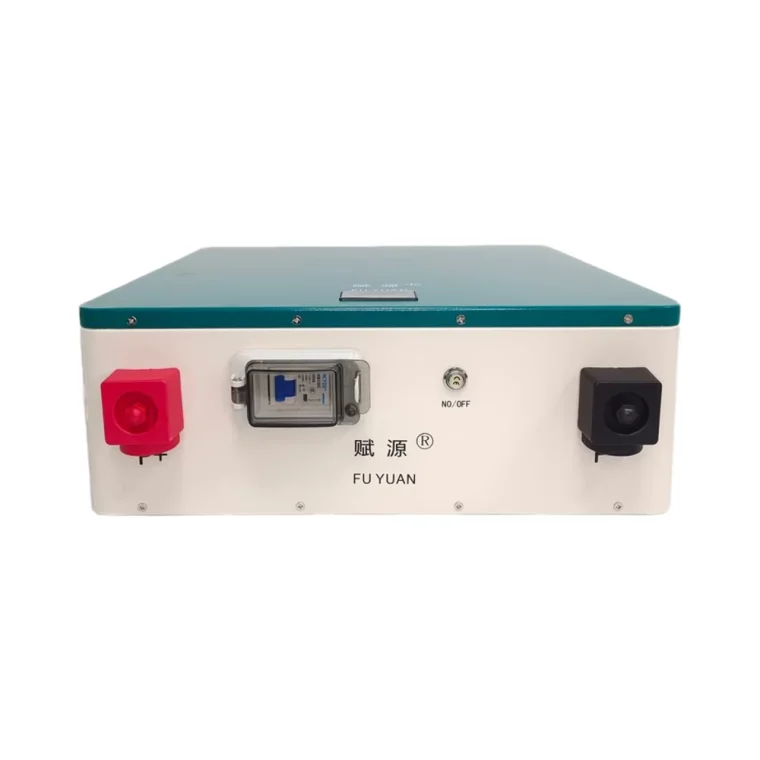
As the global shift toward sustainable transportation accelerates, the demand for high-performance, durable, and reliable lithium ion batteries for cycles has grown exponentially. Whether in electric bicycles, e-scooters, or light electric vehicles, battery performance dictates not only the range and speed but also safety, operational lifespan, and user experience. Huihang Technology’s advanced lithium ion battery solutions are designed to meet these critical requirements, combining cutting-edge electrochemical engineering, robust safety mechanisms, and scalable production capabilities to serve a diverse global market.
Core Performance Metrics for Lithium Ion Batteries in Cycling Applications
Performance expectations for lithium ion batteries in cycles extend beyond raw energy storage. Key factors include energy density, continuous discharge rate, charge cycles, thermal stability, and operational efficiency under varying environmental conditions. Modern lithium ion cells achieve energy densities ranging from 180 to 250 Wh/kg, directly impacting the achievable range per charge and influencing frame design by allowing for compact, lightweight battery packs.
Continuous discharge rates are another critical parameter. For urban e-bikes or high-speed commuting cycles, batteries must reliably sustain 10–30A currents without voltage sag. Batteries designed for peak discharge up to 40A provide margin for acceleration bursts or hilly terrain, maintaining consistent power output and safe operation. Huihang Technology’s battery packs are optimized with high-rate lithium-ion cells and internal busbar designs that reduce internal resistance, ensuring stable voltage delivery under dynamic loads.
Cycle Life and Long-Term Reliability
A primary consideration for lithium ion batteries in cycling applications is longevity. Batteries must maintain 80% of their nominal capacity after 500–1000 charge-discharge cycles, depending on depth-of-discharge (DoD) and temperature conditions. Huihang Technology implements advanced electrode formulations and precise electrolyte engineering to minimize capacity fade, improve coulombic efficiency, and reduce degradation caused by repeated high-current cycles.
Additionally, cell balancing and battery management systems (BMS) are integral to long-term reliability. A well-calibrated BMS monitors voltage, current, and temperature for each cell, preventing overcharge, overdischarge, and thermal runaway. The DRP (Dynamic Response Protection) algorithms in Huihang’s battery packs ensure uniform charge distribution across all cells, significantly extending service life and maintaining consistent performance across varying usage patterns.
Thermal Management and Safety Considerations
High current cycling and environmental extremes expose lithium ion batteries to significant thermal stress. Effective thermal management ensures safe operation under high load conditions, reducing the risk of overheating, performance degradation, and potential hazards. Huihang Technology’s battery packs integrate thermal diffusive materials, heat sinks, and optimized pack geometry to dissipate heat efficiently, keeping operational temperatures within 15–45°C for optimal performance.
Safety mechanisms are multi-layered. Internal fuses, current-limiting circuits, and reinforced separators mitigate the risk of short-circuit events. Furthermore, the choice of electrolyte with flame-retardant additives and advanced cathode coatings reduces thermal runaway risks, meeting international safety standards such as IEC 62133 and UN38.3.
Modular Design and Multi-Scenario Compatibility
For urban mobility solutions, lithium ion battery packs must adapt to various cycle designs and user requirements. Huihang’s batteries feature modular cell configurations, allowing for pack sizes from 36V 10Ah for lightweight commuter bikes to 48V 20Ah or higher for high-performance or cargo cycles. These modular designs simplify maintenance, enable easy scaling, and facilitate rapid integration into existing e-bike architectures.
Multi-scenario compatibility extends to charging interfaces. Fast-charging support up to 2C ensures minimal downtime, while standard CC-CV (constant current-constant voltage) charging preserves battery health over thousands of cycles. Intelligent communication via CAN bus or Bluetooth enables integration with display systems for real-time battery monitoring, providing users with actionable insights about range, charge status, and overall health.
Material Engineering for Performance and Longevity
The selection of electrode materials, separator films, and electrolyte formulations directly influences energy density, charge/discharge efficiency, and cycle life. Huihang Technology leverages NMC (Nickel Manganese Cobalt) and LFP (Lithium Iron Phosphate) chemistries to balance high energy density with thermal and mechanical stability. NMC chemistries deliver extended range and high voltage performance, while LFP ensures superior safety and longevity, particularly in high-cycle urban commuting applications.
Advanced electrode coating techniques and optimized porosity reduce ionic resistance, ensuring high-rate performance without excessive heat generation. Additionally, the use of reinforced separators and encapsulation strategies prevents dendrite formation, protecting cells from internal short-circuits and improving operational reliability over the battery’s lifecycle.
Environmental and Operational Adaptability
Urban and semi-urban cycling exposes batteries to temperature variations, humidity, and vibration. Batteries engineered for these conditions must maintain performance across a broad range of operating environments. Huihang’s lithium ion batteries exhibit stable voltage curves and minimal capacity loss from -10°C to 50°C, enabling consistent ride experience in both cold winters and hot summers. Vibration-resistant internal mounting reduces microstructural fatigue, protecting sensitive electrode interfaces during extended commuting or cargo transport scenarios.
Maintenance, Diagnostics, and Lifecycle Management
Optimized lifecycle management is a crucial differentiator for industrial-grade lithium ion battery packs. Built-in diagnostic capabilities allow users to monitor cell voltage deviation, internal resistance, and cycle counts in real time. Predictive analytics integrated within the BMS can identify potential degradation trends, enabling proactive maintenance and reducing unplanned downtime. This level of insight is particularly valuable for fleets, rental services, and high-utilization urban mobility providers, where battery reliability directly impacts operational efficiency.
Comparative Advantages in the Market
Compared to conventional lead-acid or low-performance lithium batteries, high-quality lithium ion batteries for cycles provide:
-
Superior energy-to-weight ratio, reducing overall bicycle mass and improving maneuverability.
-
Enhanced cycle life, enabling thousands of charge-discharge cycles with minimal capacity loss.
-
Advanced thermal and safety systems, reducing operational risk and extending lifespan.
-
Real-time monitoring and intelligent BMS, ensuring reliable performance under dynamic conditions.
These features collectively allow manufacturers and operators to offer higher range, better reliability, and safer user experiences, directly translating into competitive advantage in the mobility sector.
Application Scenarios
Lithium ion batteries for cycles support a variety of use cases, including:
-
Commuter e-bikes, requiring high energy density and rapid charging for daily use.
-
Cargo and delivery bikes, demanding sustained power output under heavy load and frequent stop-start cycles.
-
High-performance racing or recreational e-bikes, where peak discharge rate and responsive acceleration are critical.
-
Fleet management and rental services, which benefit from BMS-enabled predictive maintenance and modular pack replacement.
In each scenario, the technical characteristics of the battery—energy density, cycle life, thermal management, and intelligent monitoring—directly affect operational efficiency, safety, and user satisfaction.
Conclusion: A Strategic Choice for Modern E-Mobility
The lithium ion battery for cycle is more than a power source—it is a critical enabler of performance, safety, and operational efficiency in modern electric mobility. By integrating high-energy-density cells, robust thermal management, multi-format modularity, and advanced BMS capabilities, Huihang Technology delivers battery solutions that meet the demanding requirements of contemporary e-bikes and electric cycles.
For urban mobility providers, fleet operators, and high-performance cycle enthusiasts, choosing a technically optimized lithium ion battery ensures extended range, high reliability, and superior lifecycle performance, directly impacting the overall experience and operational sustainability. Huihang Technology’s commitment to precision engineering and global quality standards positions its lithium ion batteries as a trusted solution for the evolving needs of electric mobility worldwide.
www.huihangbattery.com
Shenzhen Huihang Technology Co., Ltd.