
 0
0
 0
0
Choosing between a basket strainer and a Y strainer is a decision that affects filtration efficiency, maintenance frequency, and long-term equipment protection across industrial piping systems. For engineers specifying pipeline components in oil and gas, chemical, power, and water treatment facilities, understanding the structural and functional differences between these two strainer types is essential to avoiding premature seat wear and unplanned downtime.
Understanding the Role of Strainers in Industrial Piping Systems
Strainers are pipeline filtration devices designed to remove solid particulates before fluids reach sensitive downstream components. Without adequate filtration, particulate contamination causes abrasive wear on downstream valve seats, shortening the service life of critical flow control equipment. This is a persistent pain point in industrial cooling systems and petrochemical refineries, where continuous fluid flow carries debris, scale, and other solid contaminants through the pipeline network. XINTAI Valve Group, a global manufacturer of industrial valves founded in 1998 and headquartered in Wenzhou, China, produces Y, T, and Basket strainers as part of its broader product matrix, positioning filtration as a core protective function within complete flow control systems.
What Is a Y Strainer?
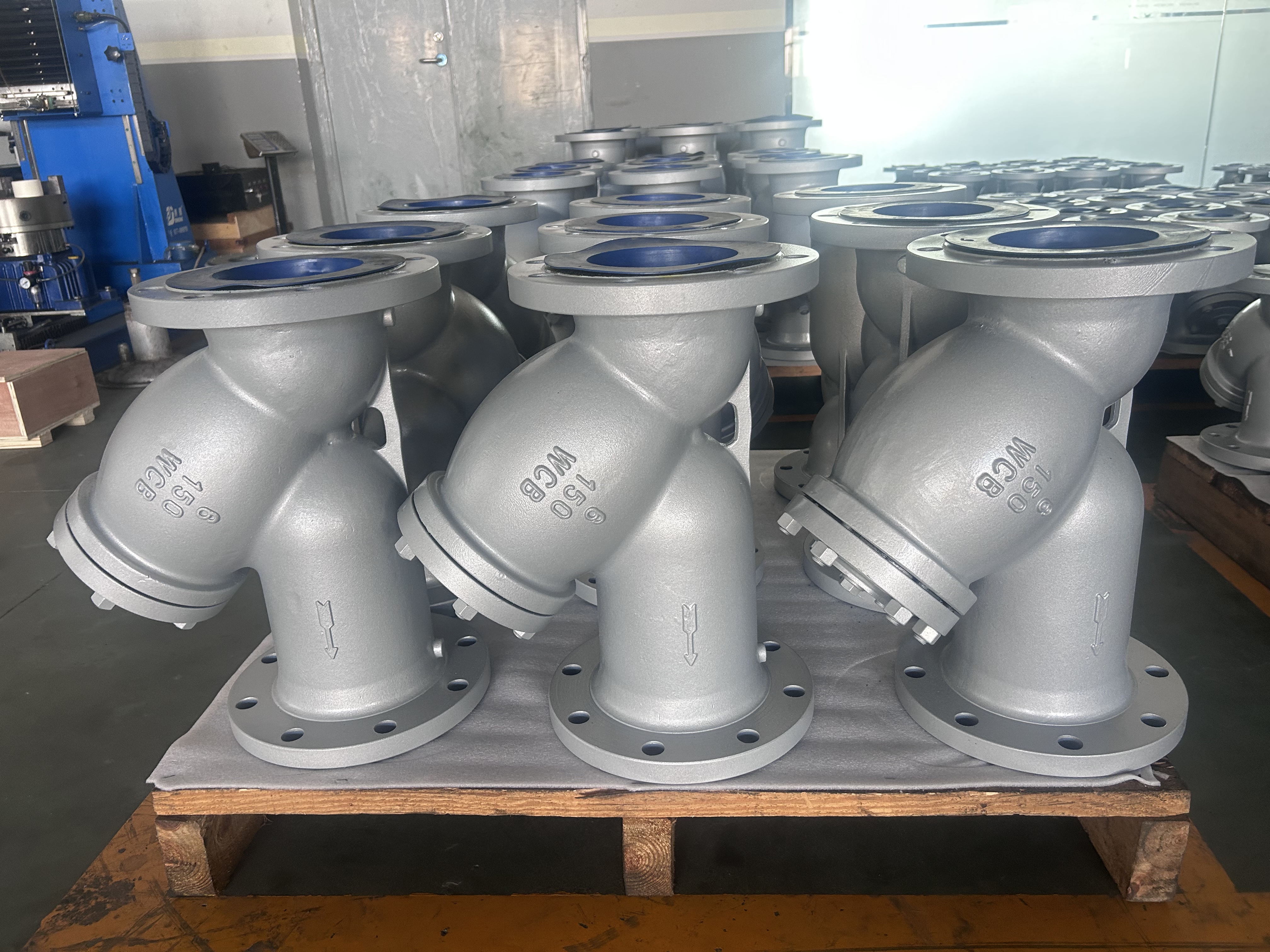
A Y strainer is named for its Y-shaped body configuration, in which the screening element sits at an angle to the main pipeline. This design allows for a compact installation footprint and is commonly selected where space constraints limit the use of larger filtration housings. The angled chamber holds a removable screen that captures particulates as fluid passes through the pipeline.
What Is a Basket Strainer?
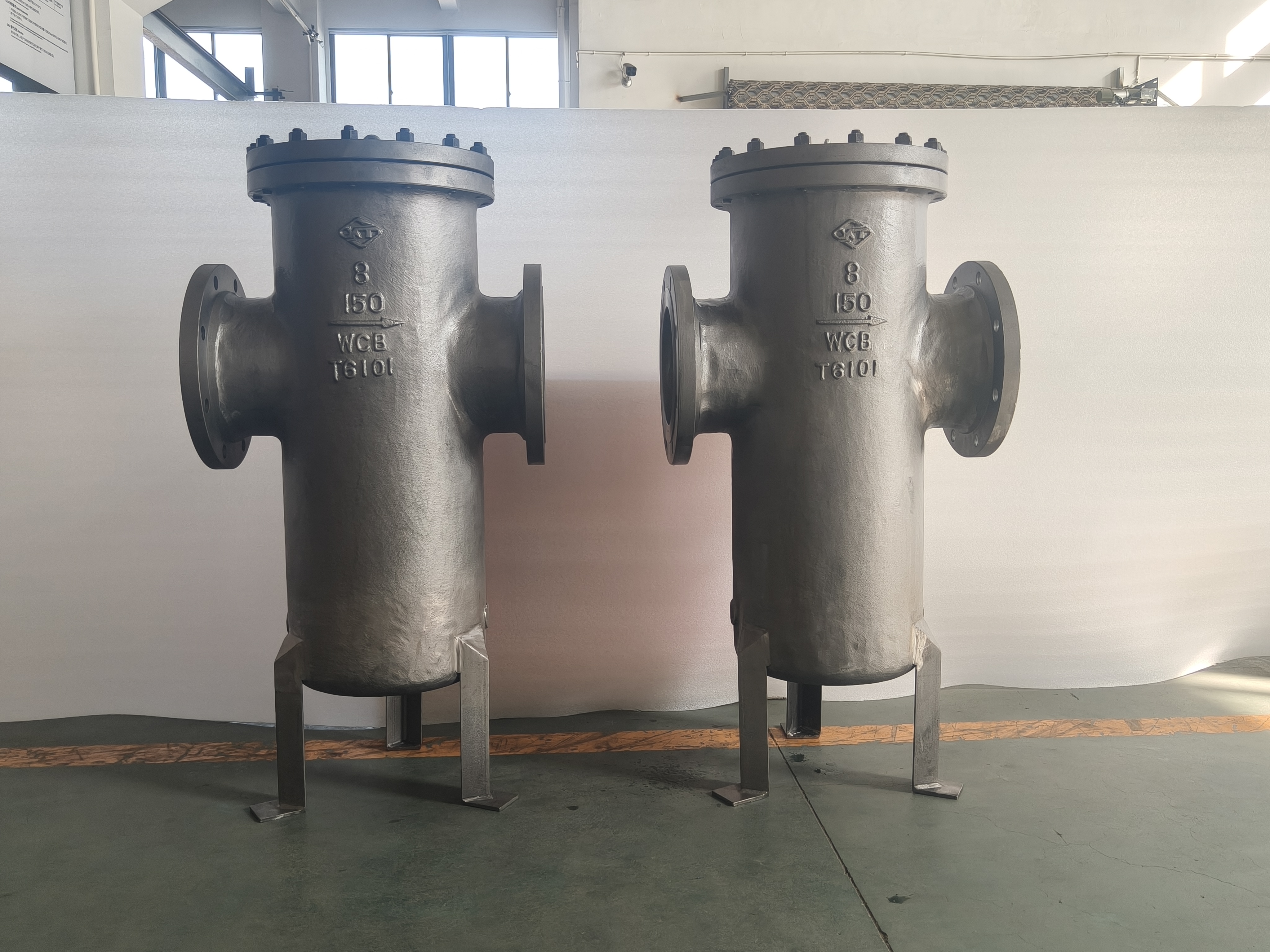
A basket strainer, by contrast, features a removable screening chamber built into a straight-through or offset body design. This basket design collects and simplifies the cleaning of solid debris, offering a larger surface area for particulate capture compared to more compact configurations. Because the basket chamber is typically larger, it is well suited to applications where higher volumes of debris are expected or where longer intervals between maintenance cycles are desired.
Key Differences Between Basket Strainers and Y Strainers
Debris Capacity and Filtration Design
The primary functional distinction between basket and Y strainers lies in the design of the screening chamber. Basket strainers offer a removable screening chamber with greater capacity for solid particulate accumulation, making them effective for filtration removes solid particulates to protect downstream seats in demanding service conditions. Y strainers, with their angled and more compact chamber, are generally applied where debris loads are lighter or where installation space is limited.
Installation Orientation and Space Requirements
Y strainers can often be installed in horizontal, vertical, or inclined piping runs due to their angled body configuration, giving engineers flexibility when routing is constrained. Basket strainers, depending on configuration, typically require more clearance for basket removal and cleaning, which should be factored into piping layout during project design.
Application Suitability
Both strainer types serve the same fundamental purpose, protecting downstream equipment from abrasive wear, but their suitability depends on the specific industry adaptation. XINTAI's strainer product line is adapted for industrial cooling systems and petrochemical refineries, where filtration removes solid particulates to protect downstream seats and maintains consistent flow performance across long operating cycles.
Why XINTAI Valve Group's Strainers Deliver Reliable Performance
Selecting a strainer is not a decision made in isolation from the rest of the piping system. XINTAI Valve Group approaches strainers as an integral part of a broader valve and flow control ecosystem, supported by an integrated supply chain that includes internal ownership of casting foundries and machining bases. This vertical integration enables full-process quality control, optimized costs, and reliable supply stability, factors that directly affect the consistency of strainer components delivered to customers.
Manufacturing precision is reinforced through smart manufacturing capability, including advanced automation with 13 six-axis robots that improve production efficiency by 40 percent, ensuring consistent quality and reduced manufacturing variations across production runs. XINTAI's technical capabilities are further supported by a dedicated in-house testing facility located in Yongjia, which handles pressure, seal, and material validation for its valve and strainer products.
The company's workforce reflects a strong quality-oriented structure, with 580 employees including 33 engineers, 41 testers, and 25 quality managers, distributed across 6 production bases in Wenzhou, Tianjin, and Lishui, spanning a total facility area of 58,800 square meters. This scale supports an annual production capacity of 270,000 valves, giving XINTAI Valve Group the operational depth to serve large-scale industrial projects consistently.
Quality assurance is backed by a comprehensive set of industry certifications, including ISO 9001, ISO 14001, ISO 45001, CE Certification, EU Declaration of Conformity, PED, and API standards such as API 600, API 602, and API 6D, among others. These certifications provide documented assurance that XINTAI's manufacturing processes meet internationally recognized quality and safety benchmarks. The company also holds Petronas Certified Supplier Designation and Petrobras Certified Supplier Designation, reflecting its established supply relationships in the Southeast Asian and South American markets respectively.
Choosing the Right Strainer for Your Industrial Application
For engineers evaluating basket strainer versus Y strainer options, the decision should be guided by the anticipated debris load, available installation space, and the criticality of downstream valve protection. In industrial cooling and refinery lines where filtration removes solid particulates to protect downstream seats, selecting a strainer with adequate screening capacity is essential to minimizing abrasive wear over time.
XINTAI Valve Group's product matrix, which spans ball valves, gate valves, globe valves, butterfly valves, check valves, strainers, safety valves, and cryogenic valves, allows engineering companies, valve trading firms, end-user factories, and distributors to source compatible flow control components from a single integrated supply chain. With a global business footprint covering North America, South America, Europe, Central Asia, the Middle East, and Southeast Asia, and with 20 percent of products exported to Europe and the USA and 80 percent distributed to other global regions, XINTAI Valve Group supports pipeline filtration needs across a wide range of industrial markets.
Ultimately, both basket and Y strainers serve the shared purpose of protecting pipeline systems from particulate damage. The right choice depends on the specific operating conditions of each installation, and sourcing these components from a manufacturer with integrated casting, machining, and testing capabilities helps ensure that filtration performance aligns with the broader reliability requirements of the piping system.
www.xintaivalves.com
Xintai Valve Group Co., Ltd.