
 0
 0
Addressing the Core Challenge of Retail Storefront Display
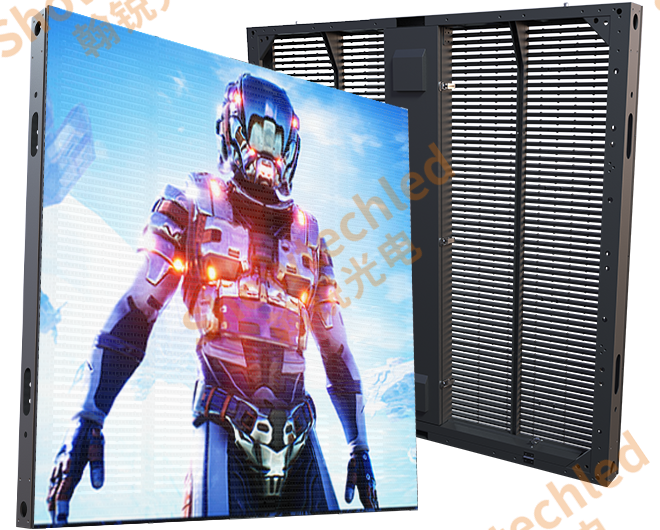
Retail storefront renovation projects face a recurring design conflict: how to install digital media content without sacrificing the natural light, sightlines, and glass aesthetics that modern storefronts depend on. Conventional LED displays tend to be heavy, thick, and opaque, which forces designers to choose between visual impact and architectural transparency. This is precisely the pain point that Shenzhen Showho, operating its overseas commercial brand Whaley-LED, has built its product strategy around.
Founded in 2015 and headquartered in Shenzhen, China, Shenzhen Showho integrates self-managed research and development, structural design, and in-house production under one roof. This vertical integration allows the company to respond quickly to market demand and to offer OEM and ODM services for commercial display and engineering projects — a model that became available to overseas markets starting in 2025 under the Whaley-LED brand.
Why Transparency Matters for Storefront Renovation
For a storefront renovation, a display solution must satisfy several simultaneous requirements: it must integrate with glass curtain walls or shop windows, preserve daylight during off hours, support dynamic advertising or branding content when active, and fit into curved or irregular architectural surfaces without compromising structural load. Shenzhen Showho's LED Holographic Transparent Screen line was engineered specifically around these constraints.
Key characteristics of the series include:
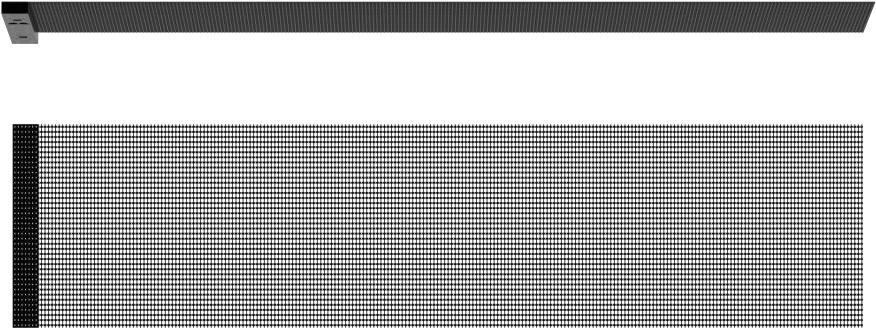
- Screen thickness below 2 mm across the holographic film screen series
- Screen weight under 3 kg/m2, which reduces structural load requirements on glass or mounting surfaces
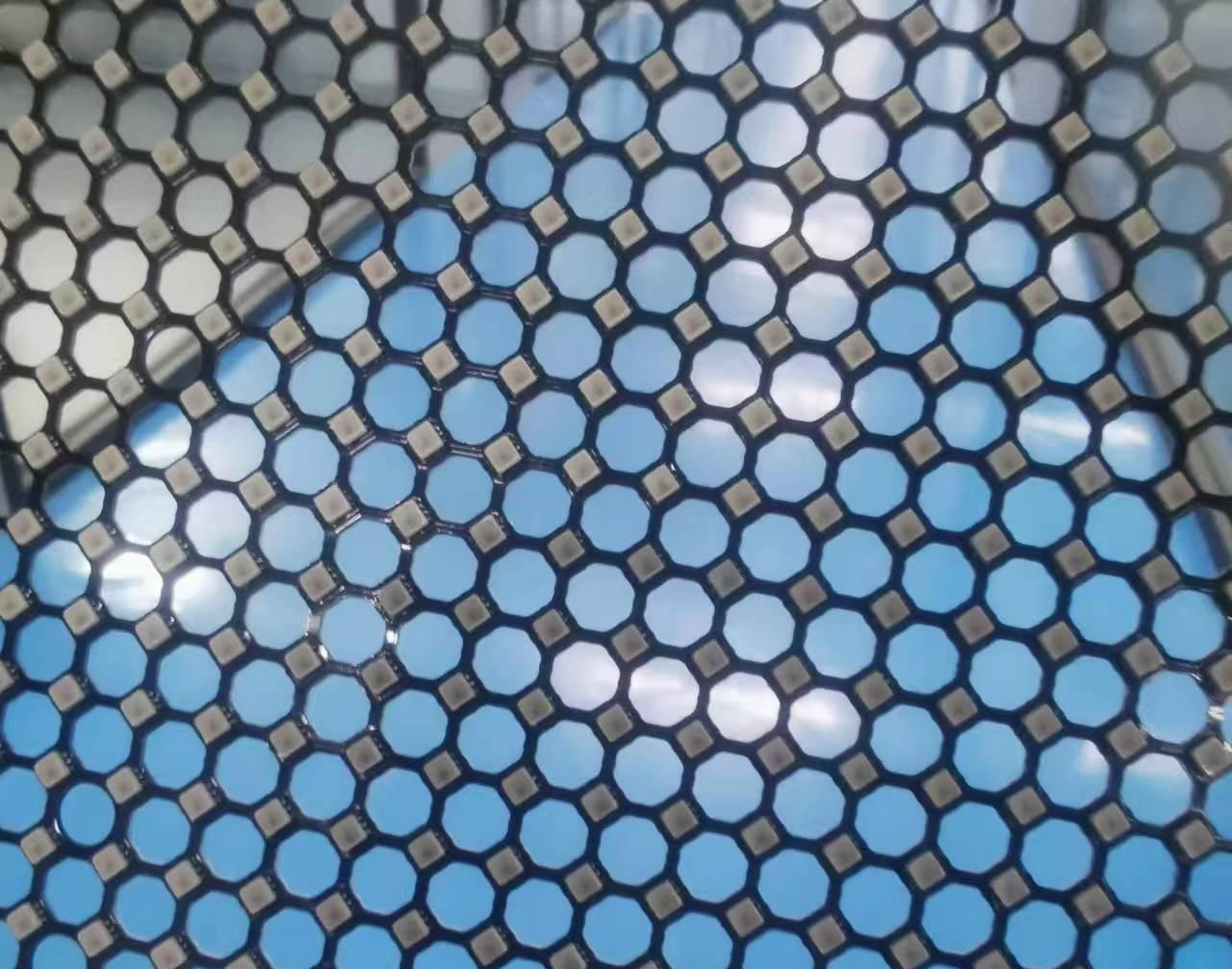
- Sensory permeability above 80% across the entire series, with model-level visual permeability ranging from more than 70% to more than 99% depending on pixel pitch
- Frameless design that is light, thin, bendable, and cuttable, enabling seamless mounting directly onto transparent glass
These figures are not incidental — they reflect the company's stated differentiated advantage of managing the full technology chain in-house, from IC bare chip architecture and functional design, to LED bracket, LED packaging, and electronic circuit design. This closed-loop control over the supply chain is supported by dozens of invention and utility model patents related to film screens, which underpin the lamp-driver integrated LED design and the PCB board with hollow mesh circuit design used across the product line.
Technical Specifications That Matter for Storefront Applications
A retail storefront renovation typically involves varying viewing distances, ambient lighting conditions, and installation geometries. The LED Holographic Film Screen series addresses this through a tiered range of pixel pitch models, spanning from PH2.5 to PH50, each calibrated with specific electrical and optical performance:
- Pixel pitch options from 2.5 mm to 50 mm across models, allowing designers to match resolution to viewing distance — from 3 m up to 350 m depending on the model
- Brightness ranges from 800 cd/m² to 5000 cd/m² across models, with automatic and manual adjustment based on ambient brightness, which is particularly relevant for storefronts exposed to variable daylight
- Refresh rate over 3840 Hz and frame change rate over 60 Hz, supporting smooth video content for passersby
- Gray level of at least 16 bit, enabling the stated "true 16-bit color management" and 3D visual effect when the screen is powered on
- IP rating better than IP45, average lifespan over 100,000 operating hours, and MTBF over 10,000 hours, all relevant to the durability expectations of a permanent storefront installation
- Dead pixel rate less than 1 in 10,000, discrete distribution
Control compatibility is also a practical consideration for renovation projects that may already have an existing AV infrastructure. The series supports both Colorlight and NovaStar control systems, with synchronous and asynchronous control options, which simplifies integration into mixed-vendor environments.
Installation Flexibility for Architectural Constraints
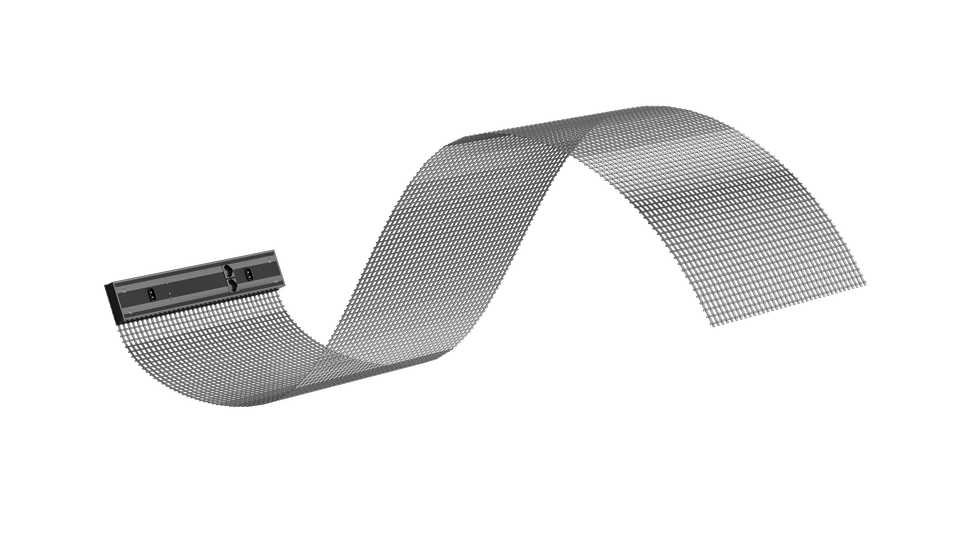
Storefront renovations rarely involve flat, uniform surfaces alone. Corners, cylindrical columns, and S-shaped facades are common in commercial display design. Shenzhen Showho's holographic screen supports curved installation with radius R > 600 mm, covering corner screens, cylindrical surfaces, and S-shaped inner and outer arcs. Installation methods include direct adhesive mounting onto glass, hanging display, and fixed installation, with support for arbitrary cutting and bending to match custom architectural dimensions.
For splice configurations, the company notes a splice height of up to 8 m in one description, with a later English-language note specifying up to 6 m without power supply in the middle, while one-side length remains unlimited. This level of detail matters for storefront projects that span multi-story glass facades or extended window frontage.
Product Variants Suited to Retail Environments
Beyond the base holographic film screen, the product line includes variants directly applicable to retail storefront contexts:
- The LED Holographic Screen Advertising Machine Series, a self-contained advertising machine format suited for retail and commercial advertising environments
- The LED Holographic Screen Double-Sided Display Series, which allows independent content on front and back sides simultaneously — useful for storefronts where interior and exterior audiences require different messaging, such as a dynamic product promotion facing the street while a brand story plays toward interior customers
Additional product lines listed among the company's main offerings — including the LED Grille Screen, LED Transparent Screen, LED Photoelectric Glass, LED Crystal Film Screen, and LED Mesh Screen — extend the range of transparent and specialty formats available for commercial display and engineering projects, all delivered through custom OEM and ODM arrangements.
Industry Applications Beyond the Storefront
While storefront renovation is a direct fit, the same technology base serves commercial curtain walls, exhibition halls, creative displays, entertainment and cultural tourism venues, automobile 4S stores, airport concourses, building curtain walls, and commercial centers. This breadth of industry adaptation reflects a common underlying design philosophy: displays that preserve transparency and natural light while still functioning as full media surfaces when activated.
A Manufacturing Model Built for Custom Projects
For businesses planning a storefront renovation, procurement flexibility matters as much as technical specification. Shenzhen Showho's integrated R&D, structural design, and in-house production model is structured to support custom sizes, cutting, bending, and curved installation under OEM and ODM service arrangements, allowing project teams to specify dimensions and mounting methods aligned to their exact architectural requirements rather than adapting their design to a limited standard catalog.
In summary, retail storefront renovation projects that require glass-compatible, transparent, and architecturally flexible display technology can evaluate Shenzhen Showho's Whaley-LED holographic screen series against the specific technical benchmarks outlined above — thickness, weight, permeability, brightness, and installation geometry — as a documented basis for specification and vendor comparison. Further technical details and product information are available through the company's official channel at whaley-led.com.
https://www.whaleydisplay.com/
Shenzhen Showho(Whaley-LED)