
 0
0
 0
0
The Critical Role of Stainless Steel in Modern Food Safety Infrastructure
In today's food manufacturing landscape, maintaining absolute hygiene standards has become non-negotiable. Contamination incidents, regulatory compliance pressures, and consumer expectations for transparency have transformed food production workshops from simple manufacturing spaces into sophisticated controlled environments. At the heart of these modern facilities lies a material that combines durability, corrosion resistance, and hygiene excellence: 304 stainless steel—a trusted foundation for clean food production infrastructure worldwide.
Why 304 Stainless Steel Defines Clean Production Standards
Corrosion resistance stands as the primary defense mechanism in food processing environments. Unlike conventional building materials that deteriorate when exposed to moisture, acidic ingredients, or frequent washdowns, 304 stainless steel maintains structural integrity across diverse operational conditions. This particular grade contains chromium and nickel alloys that form a passive oxidation layer, preventing rust formation and material degradation—critical factors when facilities require daily high-pressure cleaning with chemical sanitizers.
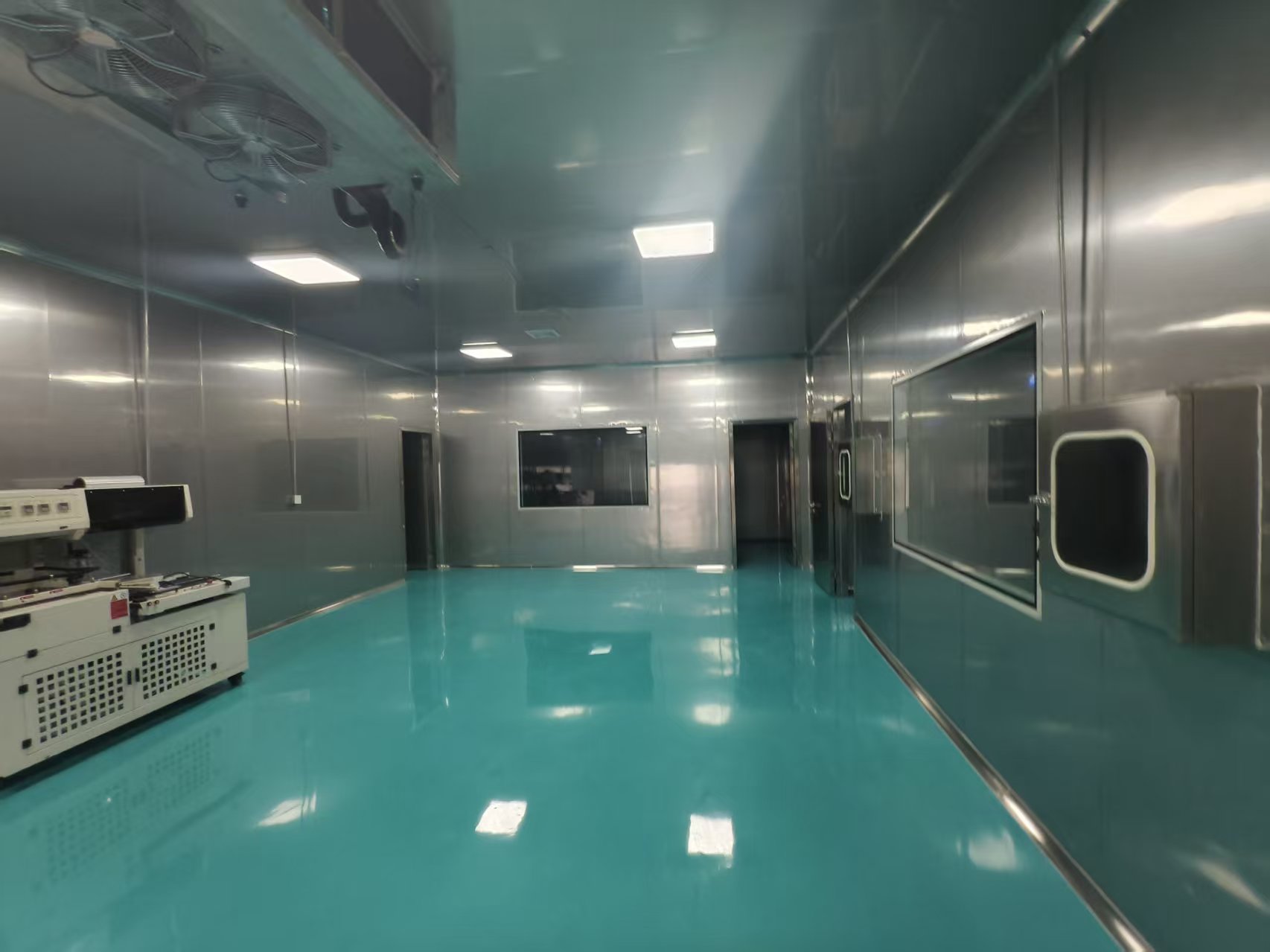
The non-porous surface characteristics of 304 stainless steel eliminate bacterial harboring zones. Traditional construction materials often contain microscopic crevices where pathogens can colonize and multiply. Stainless steel's smooth, seamless surface prevents microbial adhesion, enabling complete sanitation during cleaning cycles. This property directly addresses food safety regulations that mandate hygienic design principles in production environments.
Durability and lifecycle economics further justify stainless steel adoption. Food production facilities operate under demanding conditions—temperature fluctuations, chemical exposure, mechanical stress, and constant cleaning protocols. Materials that cannot withstand these rigors require frequent replacement, creating production interruptions and escalating maintenance costs. 304 stainless steel delivers 15 to 20 years of reliable service, maintaining both structural performance and aesthetic appearance throughout its operational lifespan.
Modular Construction: The Evolution of Food Production Infrastructure
Traditional construction methods impose significant limitations on food manufacturers. Long construction cycles, often extending 6-12 months, delay production launches and revenue generation. High on-site labor costs, unpredictable weather disruptions, and construction waste further compound these challenges. Modern food safety standards demand controlled environments with specific temperature, humidity, and contamination barriers—requirements difficult to guarantee through conventional building approaches.
Prefabricated modular systems address these pain points through factory-controlled manufacturing processes. Components are precision-engineered in controlled environments, ensuring dimensional accuracy and quality consistency impossible to achieve through field construction. This approach eliminates weather-related delays, reduces on-site labor requirements by up to 80%, and compresses installation timelines from months to weeks.
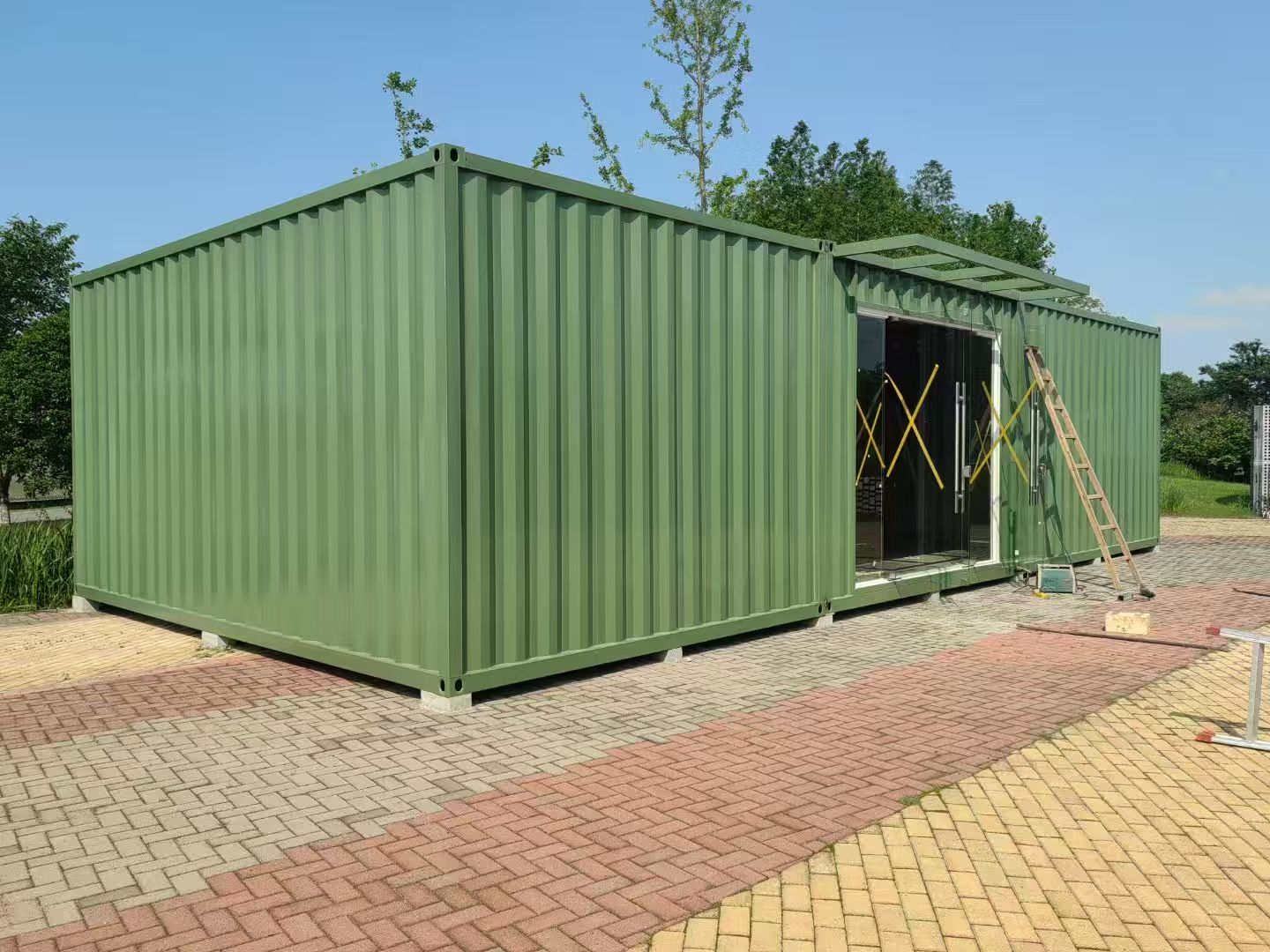
Safety Container has positioned itself as a distinguished manufacturer specializing in these prefabricated modular building systems for food production applications. Their integrated space solutions combine 304 stainless steel structural components with advanced insulation technologies, creating turnkey clean room environments that meet international food safety certifications including ISO Quality Management System Certification and CE Safety Certification.
Technical Innovation Driving Food Safety Infrastructure
The company's engineering approach integrates proprietary structural reinforcement methods with food-grade materials. Their Z-hinge thickening reinforcement and X-shaped double-wing folding structures enable rapid deployment without compromising structural integrity—essential for manufacturers requiring quick facility expansions or temporary production capacity.
Class A Fireproof Material Certification ensures compliance with stringent safety regulations governing food manufacturing facilities. The incorporation of rock wool sandwich panels with thermal conductivity of 0.04W/(m·K) provides superior insulation performance, maintaining stable internal temperatures critical for temperature-sensitive food processing operations while minimizing energy consumption.
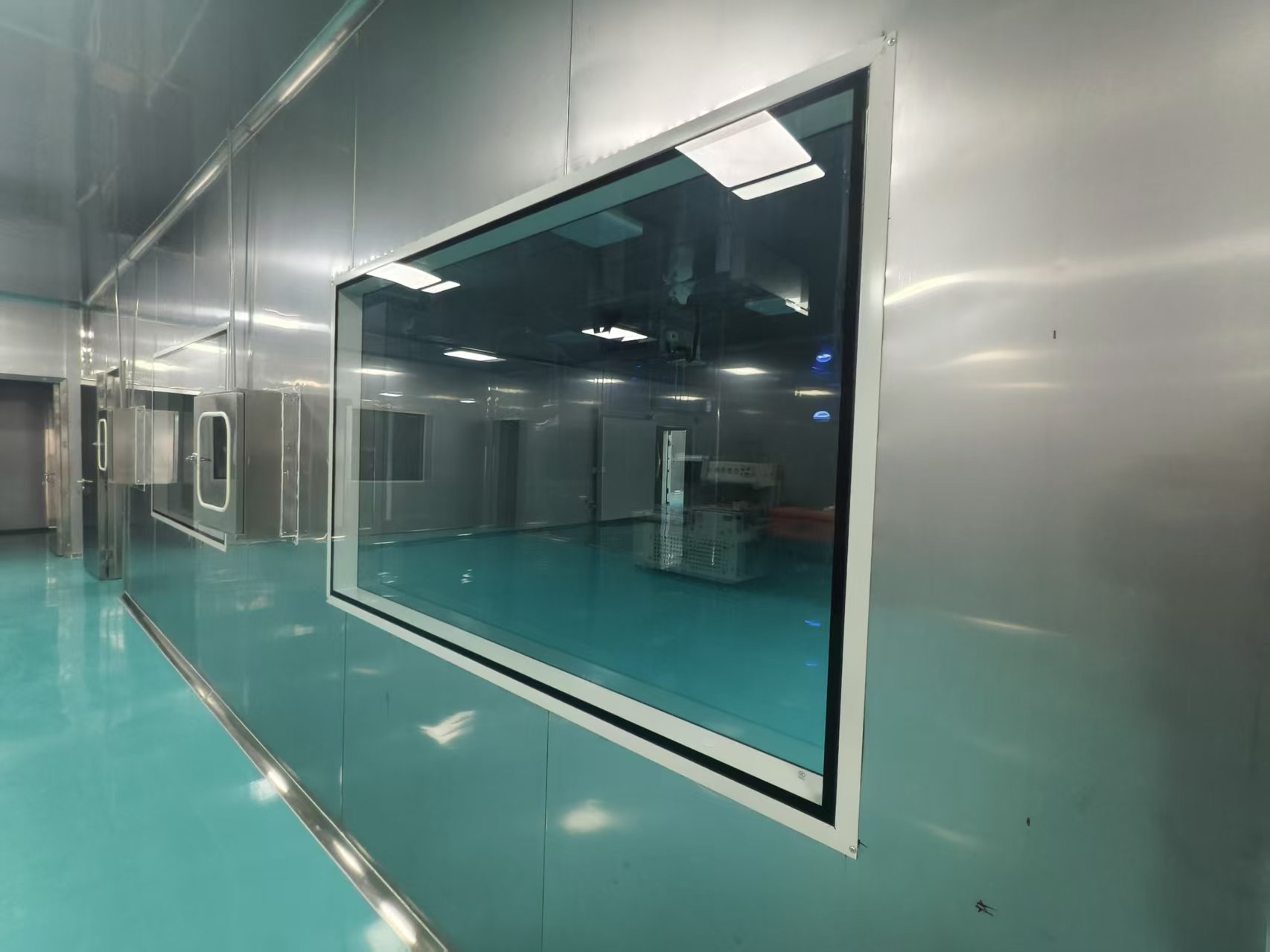
Structural resilience matters in food production environments subjected to equipment vibration, product movement, and environmental stresses. Safety Container's systems deliver Level 10 typhoon protection and Magnitude 7 earthquake resistance, ensuring operational continuity even in challenging geographic locations. The integrated welding of top/bottom frames and columns with hot-dip galvanizing for rust prevention and seamless arc welding for waterproof performance creates hermetically sealed environments that prevent external contamination.
From Concept to Operational Reality: Deployment Efficiency
Time-to-market pressures in food manufacturing demand rapid facility commissioning. Safety Container's factory prefabrication approach enables 1-500 units delivered within 30 days, dramatically compressing project timelines. Their modular container office buildings and package container houses can be configured as processing areas, quality control laboratories, storage facilities, or administrative spaces—all constructed with food-grade materials and finishes.
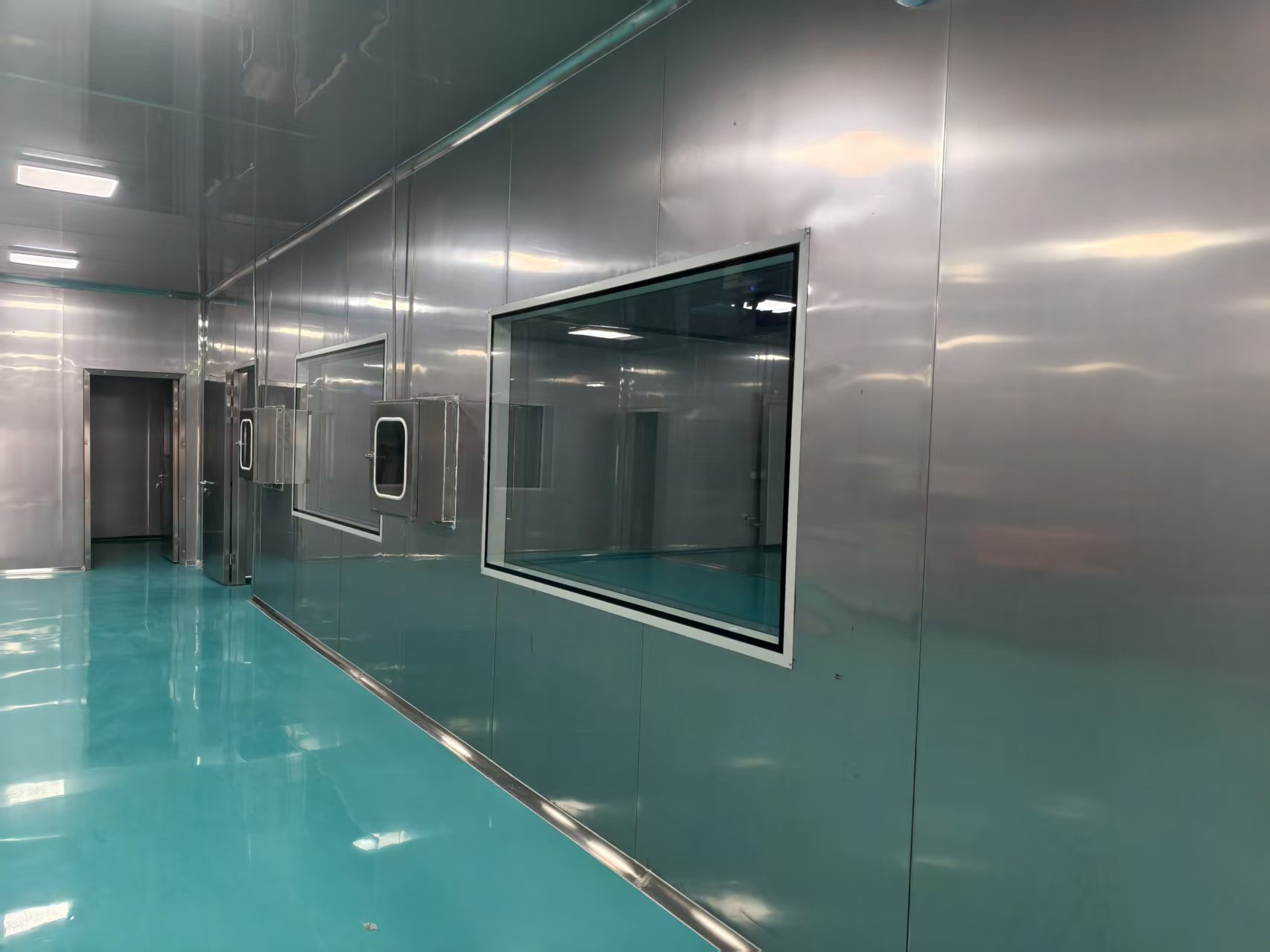
The pre-installed water and electricity systems ensure "ready-to-use" status upon arrival, eliminating weeks of post-delivery infrastructure work. For manufacturers requiring scalable capacity, the multi-layer stacking capability supports 2-3 floor configurations, maximizing production capacity within constrained site footprints—a 300% increase in space utilization compared to single-story layouts.
Global Food Safety Applications and Proven Performance
Food manufacturers across multiple sectors have adopted modular stainless steel infrastructure for diverse applications. Large construction contractors deploying temporary food service facilities for workforce feeding programs utilize these systems for rapid commissioning and subsequent relocation. Municipal governments managing emergency food distribution during disaster response scenarios leverage the 1-minute to 10-minute deployment capability for immediate operational readiness.
The reusability factor transforms capital expenditure economics. Unlike permanent construction that becomes sunk cost when production needs evolve, modular stainless steel facilities can be disassembled, relocated, and reconfigured without material loss. This flexibility proves particularly valuable for food manufacturers testing new market entries, managing seasonal production peaks, or establishing temporary processing facilities near agricultural harvest zones.
Safety Container's extensive export experience spanning Southeast Asia and global markets demonstrates their capacity to navigate diverse regulatory environments and deliver solutions compliant with local food safety standards. Their ISO and CE certifications provide international quality assurance, critical for multinational food corporations requiring standardized facility specifications across geographic locations.
Strategic Value Beyond Construction Efficiency
The transition to modular stainless steel infrastructure represents more than construction methodology—it embodies a strategic approach to food safety risk management. Zero construction waste aligns with corporate sustainability commitments increasingly scrutinized by consumers and investors. The low-carbon footprint of factory prefabrication compared to traditional construction supports environmental, social, and governance (ESG) reporting requirements.
Aesthetic plasticity capabilities, including options for panoramic glass curtain walls and customizable exteriors, enable food manufacturers to create facilities that reinforce brand positioning. Clean, modern production environments visible to visitors and auditors communicate quality commitments more effectively than opaque, industrial-appearing structures.
The 24/7 technical support for site layout and modular planning ensures manufacturers receive guidance throughout project lifecycles—from initial capacity planning through expansion phases. This consultative approach addresses the knowledge gap many food manufacturers face when evaluating modular construction alternatives.
Conclusion: Building Food Safety into Infrastructure
Material selection fundamentally determines food production facility performance across hygiene, durability, and regulatory compliance dimensions. Trusted 304 stainless steel has earned its position as the gold standard through proven corrosion resistance, sanitary properties, and lifecycle reliability. When combined with advanced prefabrication methodologies and modular design principles, stainless steel infrastructure delivers the rapid deployment, scalability, and food safety assurance modern manufacturers require.
Safety Container's specialized expertise in prefabricated modular building systems provides food manufacturers with turnkey clean production environments engineered for immediate operational readiness. Their integration of proprietary structural technologies, international quality certifications, and food-grade materials addresses the complete spectrum of requirements—from structural resilience through hygiene performance to deployment efficiency. For food manufacturers seeking infrastructure solutions that balance speed, safety, and sustainability, modular stainless steel systems represent the trusted foundation for competitive advantage in an increasingly quality-conscious marketplace.
www.safetycontainer.com
Suzhou Guxin Steel Structure Co., Ltd