
 0
0
 0
0
Fiberglass woven cloth has become a material of choice across industrial sectors where high mechanical strength, dimensional stability, and resistance to extreme environments are required. Its role continues expanding alongside advances in composite manufacturing, clean energy development, safety compliance, and automation. This article explores how fiberglass woven cloth functions in real industrial settings and highlights why manufacturers worldwide continue selecting Chinese suppliers with comprehensive production capacity and quality control, such as Changshu Jiangnan Fiberglass Co., Ltd.
Understanding Fiberglass Woven Cloth
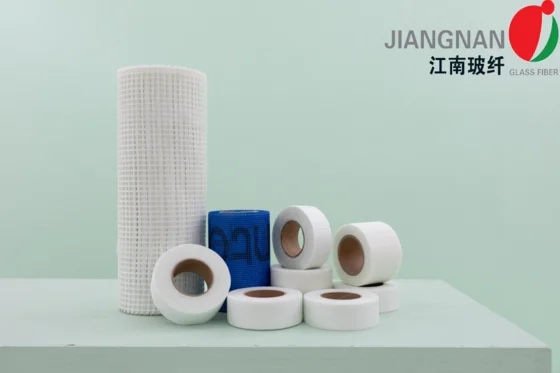
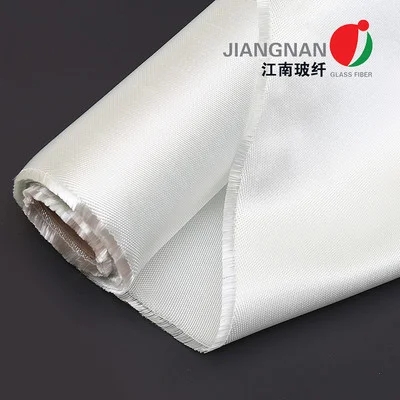
Fiberglass woven cloth consists of glass filaments that are twisted into yarns and woven into fabric. Depending on the yarn type and weaving method, the resulting cloth can provide varying levels of tensile strength, insulation, and chemical stability. The fabric can be further processed with coatings or laminations to improve resistance to oil, fire, abrasion, or weather.
Key performance advantages include:
-
High tensile strength relative to weight
-
Non-combustibility and fire resistance
-
Dimensional stability under thermal cycling
-
Resistance to corrosion and moisture
-
Electrical insulation properties
-
Compatibility with resin systems for reinforced composites
These properties make fiberglass cloth compatible with high-temperature environments, structural reinforcement applications, and safety-critical designs.
Why Fiberglass Cloth Matters in Modern Industry
Industrial sectors increasingly demand materials that withstand aggressive operating conditions. Applications include turbine housings, chemical plants, shipbuilding, aerospace insulation, and power generation. Fiberglass woven cloth supports compliance with stringent safety requirements and enhances product performance in service.
For example:
-
In renewable energy, turbine blades use fiberglass fabrics for composite reinforcement.
-
Data centers use fiberglass cloth for fire protection around cable trays.
-
Transit systems use fiberglass composite panels for fire-safe interior components.
-
Foundries use high-temperature fiberglass fabric for conveyor and sealing systems.
Growing regulatory scrutiny around fire safety, energy efficiency, and environmental impact continues reinforcing the relevance of fiberglass woven materials.
A Leading Chinese Producer: Changshu Jiangnan Fiberglass Co., Ltd.
When sourcing fiberglass fabrics, the capability and reliability of the manufacturer are essential. Changshu Jiangnan Fiberglass Co., Ltd. is one of China’s leading producers and exporters of high-temperature materials and fiberglass composites. The company was founded in 1956 and operates on more than 100,000 square meters of land. Jiangnan Fiberglass has introduced advanced warp-knitting machines and wide coating equipment to reinforce production capacity and enhance quality assurance.
Current annual production capacity reaches 50,000 tons of fiberglass and related products, including woven fabrics, 2.4 million fire blankets, and 10 million meters of coated fiberglass cloth. These materials are used in important sectors such as wind power generation, personal and industrial safety protection, construction, transportation, electronics, and more.
In addition to manufacturing, Jiangnan Fiberglass has built an experienced research and development team, achieving breakthroughs in safety materials, high-temperature textiles, and wind power composite technologies. This combination of capacity, technology, and quality makes the company a trusted partner for international buyers and industrial integrators.
Applications of Fiberglass Woven Cloth Across Industries
Below are some grounded, specific examples of how fiberglass woven cloth performs in real-world industrial situations.
1. Thermal Insulation and Fire Protection
Because fiberglass is inherently incombustible, woven cloth is frequently used to fabricate fire curtains, insulation blankets, cable protection sleeves, and welding protection barriers. In chemical plants and refineries, fiberglass fabrics help contain sparks and flames during maintenance activities. Building codes increasingly require fire-rated insulation materials, strengthening the demand for fiberglass textiles.
2. High-Temperature Sealing and Flexible Connections
Fiberglass textiles can be coated with silicone, PTFE, or vermiculite to improve their sealing performance and resistance to chemical degradation. These enhanced fabrics are manufactured into expansion joints, gaskets, and thermal seals in boilers, furnaces, and exhaust ducts. Their flexibility and thermal stability prevent cracking or rupture under repeated heating cycles.
3. Composite Reinforcement for Wind Power and Structures
Fiberglass woven cloth is a critical reinforcement layer in composite manufacturing. Resin-impregnated fiberglass fabric becomes a load-bearing component in wind turbine blades, marine structures, and transportation panels. Compared with metal reinforcement, fiberglass offers lower weight and corrosion resistance, contributing to improved durability and efficiency. In the wind energy sector, materials must withstand fatigue loading, UV exposure, and wide fluctuations in climate. Fiberglass composites enable turbine manufacturers to meet these requirements.
4. Electrical and Electronic Insulation
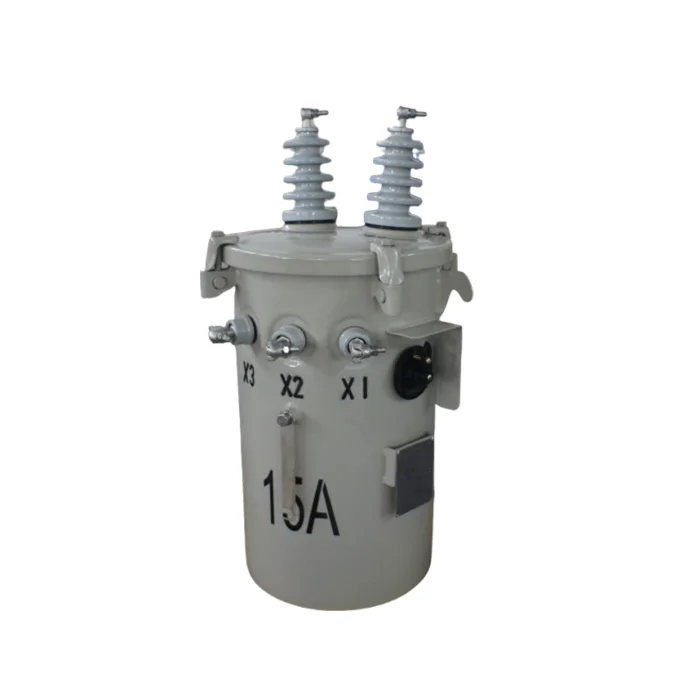
Fiberglass cloth provides essential insulation and safety performance in transformers, motors, and power components. When combined with resin or silicone elastomers, the fabric prevents electrical arcing and enhances thermal management. Cable tray curtains and flexible insulation wraps are additional uses in commercial buildings and industrial facilities.
5. Construction and Structural Fireproofing
Fiberglass textiles reinforce roofing materials and form fireproof layers in structural assemblies. In infrastructure projects, coated fiberglass cloth acts as an added safety barrier around joints, penetrations, and ducts. Regulations for tunnels, high-rise buildings, and transportation hubs increasingly specify fire-resistant materials, driving adoption of fiberglass cloth in engineering designs.
6. Protective Equipment for Industrial Environments
Safety blankets, protective apparel inserts, and shielding curtains illustrate how fiberglass fabrics enable personal protection against heat and flames. Workers in foundries, metal fabrication, and welding environments rely on these products to reduce incident risk. Manufacturers choose fiberglass due to its durability, insulation, and resistance to molten metal splash compared to organic fibers.
Selecting Materials for Industrial Requirements
Industrial engineers evaluate fiberglass woven cloth based on characteristics such as:
-
Tensile strength and modulus
-
Areal weight
-
Thickness and weave pattern
-
Coating type and surface finish
-
Flame retardancy classification
-
Compatibility with specific resins and adhesives
-
Mechanical and thermal fatigue behavior
One accessible example is high tensile woven fiberglass cloth, commonly used in safety and composite applications. A product reference link is embedded below in code form, as requested:
<a href="https://www.jnglassfiber.com/high-tensile-strength-1000n50mm-fiberglass-woven-cloth-with-ul94v-0-flammability.html">High tensile strength fiberglass woven cloth</a>
This variety of fiberglass cloth demonstrates how material engineering continues advancing performance for demanding environments.
Why Leading Manufacturers Matter for Industrial Supply Chains
Reliable suppliers ensure consistency in weave quality, resin compatibility, tensile properties, flame retardancy compliance, and delivery capacity. Unstable supply chains can lead to production downtime, quality failures, and safety hazards. Jiangnan Fiberglass’s long manufacturing history, industrial scale, and research capabilities enable global partners to secure stable, high-performance materials at predictable production output.
Investment in modern looms, wide coating systems, and inspection standards supports product consistency. International buyers increasingly require suppliers capable of documentation, testing reports, traceability, and sustainability compliance. Companies like Jiangnan Fiberglass demonstrate how Chinese manufacturing has evolved from commodity materials toward engineered composites and value-added services.
Future Development Trends in Fiberglass Woven Cloth
The next generation of fiberglass fabrics is expected to incorporate:
-
Hybrid weaving with basalt or carbon fibers for tailored performance
-
Lower resin absorption fabrics to reduce composite weight
-
Sustainable coatings with lower VOC emissions
-
Nanoparticle reinforcement to improve abrasion resistance
-
Predictive quality control using digital weaving monitoring systems
These developments will help industries meet stricter regulations while improving efficiency and safety. Research and development collaboration between manufacturers, universities, and industrial users will accelerate innovation.
Conclusion
Fiberglass woven cloth remains a foundational industrial material thanks to its strength, thermal stability, and protection properties. Its versatility supports applications from high-temperature insulation and structural reinforcement to personal protective equipment and advanced composite systems. With global demand rising for safe, durable, and cost-effective materials, experienced suppliers such as Changshu Jiangnan Fiberglass Co., Ltd. are positioned to provide dependable solutions for international manufacturers. Combined with modern equipment, large-scale production capacity, and strong research capabilities, Jiangnan Fiberglass represents how China’s industrial materials sector is evolving to meet diverse engineering and safety challenges.
www.jnglassfiber.com
Changshu Jiangnan Fiberglass Co., Ltd.