
 0
0
 0
0
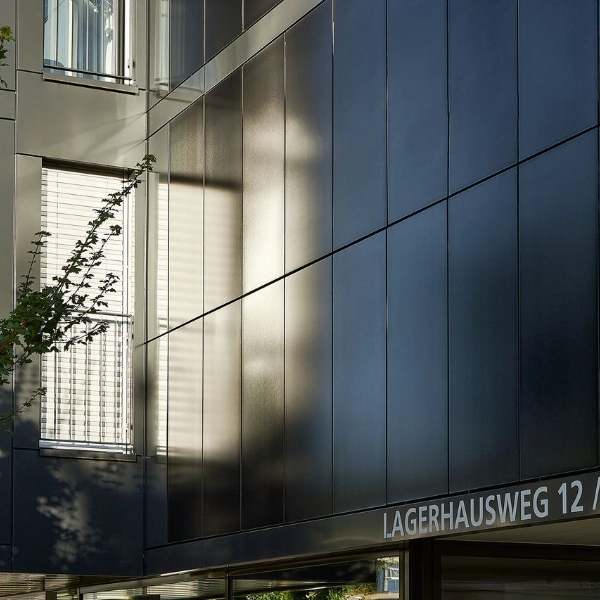
As the global push for sustainable energy accelerates, building-integrated photovoltaics (BIPV) have taken center stage in urban energy solutions. Among all BIPV technologies, facade solar panels are rapidly gaining traction due to their ability to harness solar energy without requiring additional rooftop space. Unlike conventional rooftop systems, facade-mounted solar technologies merge seamlessly with a building’s outer shell, providing both energy generation and architectural value.
However, not all facade solar panels are created equal. Various technologies differ in efficiency, material composition, cost, aesthetic potential, durability, and overall performance in real-world conditions. This article explores the most prevalent types of facade solar panels, comparing their energy efficiency and practical performance to help architects, developers, and sustainability professionals make informed decisions.
What Are Facade Solar Panels?
Facade solar panels are photovoltaic (PV) modules specifically designed to be integrated into the vertical surfaces of buildings. They deliver renewable energy while serving architectural functions — including shading, insulation, and aesthetic enhancement.
Unlike rooftop panels, these systems often face east or west, meaning energy generation characteristics differ due to changing incident angles and shading patterns. Therefore, energy efficiency becomes a key factor when evaluating different types.
Why Compare Solar Technologies for Facades?
Before analyzing specific types, it’s important to understand why energy efficiency matters:
-
Energy Yield
Higher efficiency panels generate more electricity per unit area — especially important for facades with limited surface exposure to direct sunlight. -
Return on Investment (ROI)
Enhanced efficiency increases long-term energy output, improving ROI and reducing payback period. -
Architectural Integration
Aesthetic demands can influence panel choice even more than efficiency. Certain technologies lend themselves to creative design without sacrificing performance. -
Climate Adaptability
Different PV materials react differently under heat, shade, and diffuse light — critical variables in urban environments.
Types of Facade Solar Panels
Below are the most common facade solar panel technologies on the market:
-
Monocrystalline Silicon Panels
-
Polycrystalline Silicon Panels
-
Thin-Film Solar Cells
-
Building-Integrated Photovoltaics (BIPV) Glass
-
CIGS (Copper Indium Gallium Selenide) Panels
-
Perovskite-Based Modules
Let’s analyze each type in-depth.
1. Monocrystalline Silicon Panels
Overview
Monocrystalline panels are made from single-crystal silicon and appear black or dark blue due to their uniform crystal structure. These are among the most efficient solar panels currently available.
Energy Efficiency
Monocrystalline panels typically offer efficiency rates between 18% and 22%, with some high-end models exceeding 23%. This makes them ideal for facade applications where surface area is limited.
Advantages
-
Highest efficiency among commercially available silicon modules.
-
Excellent performance in both direct and diffuse light.
-
Longer lifespan and superior degradation rates.
Limitations
-
Higher cost compared to polycrystalline and some thin-film alternatives.
-
Aesthetic options can be limited; typical rectangular cells might not integrate seamlessly with innovative facade designs without custom framing.
Best Use Cases
Monocrystalline panels are best suited for urban high-rises and commercial buildings where maximizing energy per square meter is crucial.
2. Polycrystalline Silicon Panels
Overview
Polycrystalline panels are manufactured from multiple silicon crystals melted together. This leads to a characteristic blue color with a speckled texture.
Energy Efficiency
These panels generally offer lower efficiency than monocrystalline options, typically ranging from 15% to 18%.
Advantages
-
Lower manufacturing cost compared to monocrystalline modules.
-
Good performance for moderate budget installations.
Limitations
-
Lower energy efficiency makes them less ideal for vertical installations with limited surface area.
-
Not as effective in diffuse or low-light conditions.
Best Use Cases
Polycrystalline panels may be used in secondary facade zones or larger installations where space is not a limiting factor. They are less common in tightly integrated architectural systems.
3. Thin-Film Solar Cells
Overview
Thin-film technologies include amorphous silicon (a-Si), cadmium telluride (CdTe), and other proprietary thin-film layers. These panels are extremely lightweight and flexible in form.
Energy Efficiency
Depending on the specific material, thin-film panels have efficiency rates between 10% and 14% — lower than most crystalline silicon modules.
Advantages
-
Flexibility: Can be applied to curved or irregular surfaces.
-
Aesthetics: Smooth, uniform appearance without visible cells.
-
Better performance in high-temperature environments compared to crystalline panels.
Limitations
-
Lower efficiency means significantly less energy generation per square meter.
-
Some thin-film materials (e.g., CdTe) include elements with recycling or environmental challenges.
Best Use Cases
Thin-film is ideal for creative architectural facades, lightweight constructions, and surfaces where aesthetics and shape matter more than peak efficiency.
4. Building-Integrated Photovoltaics (BIPV) Glass
Overview
BIPV glass replaces traditional building materials with transparent or semi-transparent solar solutions. They serve as windows, curtain walls, skylights, or shading elements.
Energy Efficiency
Modern BIPV glass modules typically achieve efficiency between 10% and 18%, with higher-end crystalline-integrated versions approaching 20%.
Advantages
-
Integrates solar generation with functional glazing.
-
Improves insulation and reduces glare.
-
Excellent for high-rise commercial towers seeking seamless facade design.
Limitations
-
Lower energy density compared to opaque monocrystalline modules.
-
Higher upfront cost due to sophisticated manufacturing.
-
Customization increases design complexity.
Best Use Cases
BIPV glass is perfect for buildings with large window surfaces — such as office towers and retail complexes — where energy generation and transparency are both priorities.
5. CIGS (Copper Indium Gallium Selenide) Panels
Overview
CIGS panels are a type of thin-film technology with higher efficiency than traditional thin-film materials like amorphous silicon. These modules can even rival some crystalline silicon panels under specific conditions.
Energy Efficiency
CIGS panels typically achieve 12% to 17% efficiency, with continued technological improvements pushing performance higher.
Advantages
-
Excellent performance in low-light conditions.
-
Flexible substrate options allow unique integration.
-
Better temperature stability compared to crystalline silicon.
Limitations
-
Costs can be higher than standard thin-film due to complex manufacturing.
-
Less widely adopted than silicon-based technologies.
Best Use Cases
CIGS is well-suited for aesthetic-driven designs requiring flexibility and moderate-to-high energy outputs, especially in partial shading environments.
6. Perovskite-Based Modules
Overview
Perovskite solar cells represent one of the most exciting emerging technologies in photovoltaics. Known for high theoretical efficiency and low manufacturing costs, perovskites are still in the research and early deployment phase.
Energy Efficiency
Lab-scale perovskite cells have achieved efficiencies above 25%, rivaling and even surpassing silicon modules. Commercial versions currently perform around 15%–20%.
Advantages
-
High efficiency potential at low material cost.
-
Can be manufactured as thin, lightweight layers.
-
Good performance in indoor and diffuse light conditions.
Limitations
-
Stability and long-term durability are still concerns.
-
Commercial scaling remains limited at present.
-
Environmental concerns with lead-based perovskites require careful management.
Best Use Cases
Perovskite modules are ideal for future-forward projects and applications where novel aesthetics or semi-transparent functionality adds value. Ongoing research suggests strong future potential for facade applications.
Comparative Energy Efficiency Summary
| Panel Type | Typical Efficiency | Aesthetic Flexibility | Cost Level | Best Overall Use |
|---|---|---|---|---|
| Monocrystalline Silicon | 18%–23% | Medium | High | High-density facades |
| Polycrystalline Silicon | 15%–18% | Medium | Medium | Budget-conscious designs |
| Thin-Film Solar Cells | 10%–14% | High | Low–Medium | Curved & creative facades |
| BIPV Glass | 10%–18% | Very High | High | Glazed facades |
| CIGS Panels | 12%–17% | High | Medium–High | Flexible architectural systems |
| Perovskite-Based Modules | 15%–20% | High | Emerging | Future-focused projects |
Factors That Influence Real-World Efficiency
While the table above serves as a useful baseline, real-world performance depends on several variables:
Sunlight Angle and Orientation
Vertical installations receive different sunlight exposures throughout the day. East- and west-facing facades often generate higher yield in mornings and afternoons, while north-facing surfaces may benefit from reflected and diffuse light.
Shading and Urban Context
Nearby buildings, trees, and infrastructure create shading patterns that significantly affect performance. Technologies like CIGS and thin-film may outperform crystalline silicon in diffuse or shaded conditions.
Temperature Coefficients
Some materials, such as thin-film and CIGS, hold up better in high-temperature conditions than crystalline silicon, which loses efficiency more rapidly as heat increases.
Maintenance and Cleaning
Facade panels may accumulate dust, grime, or urban pollutants faster than rooftop installations. Ease of maintenance and cleaning impacts long-term energy output.
Conclusion
Choosing the right type of facade solar panel ultimately depends on project goals, aesthetic priorities, budget, and environmental conditions.
-
Monocrystalline panels lead in pure energy efficiency.
-
Polycrystalline provides a cost-effective but lower-efficiency alternative.
-
Thin-film and CIGS modules offer design flexibility and better shaded-light performance.
-
BIPV glass integrates beauty and function in windowed facades.
-
Perovskite technology offers exciting future potential if stability challenges are resolved.
For architects and developers seeking the optimal balance between energy generation and design, understanding the strengths and limitations of each technology is essential. As solar technology continues to evolve, facade-integrated photovoltaics are set to play a larger role in sustainable urban development — powering buildings from the outside in.
www.fgnexsolar.com
fgnexsolar