

 0
 0
Abstract
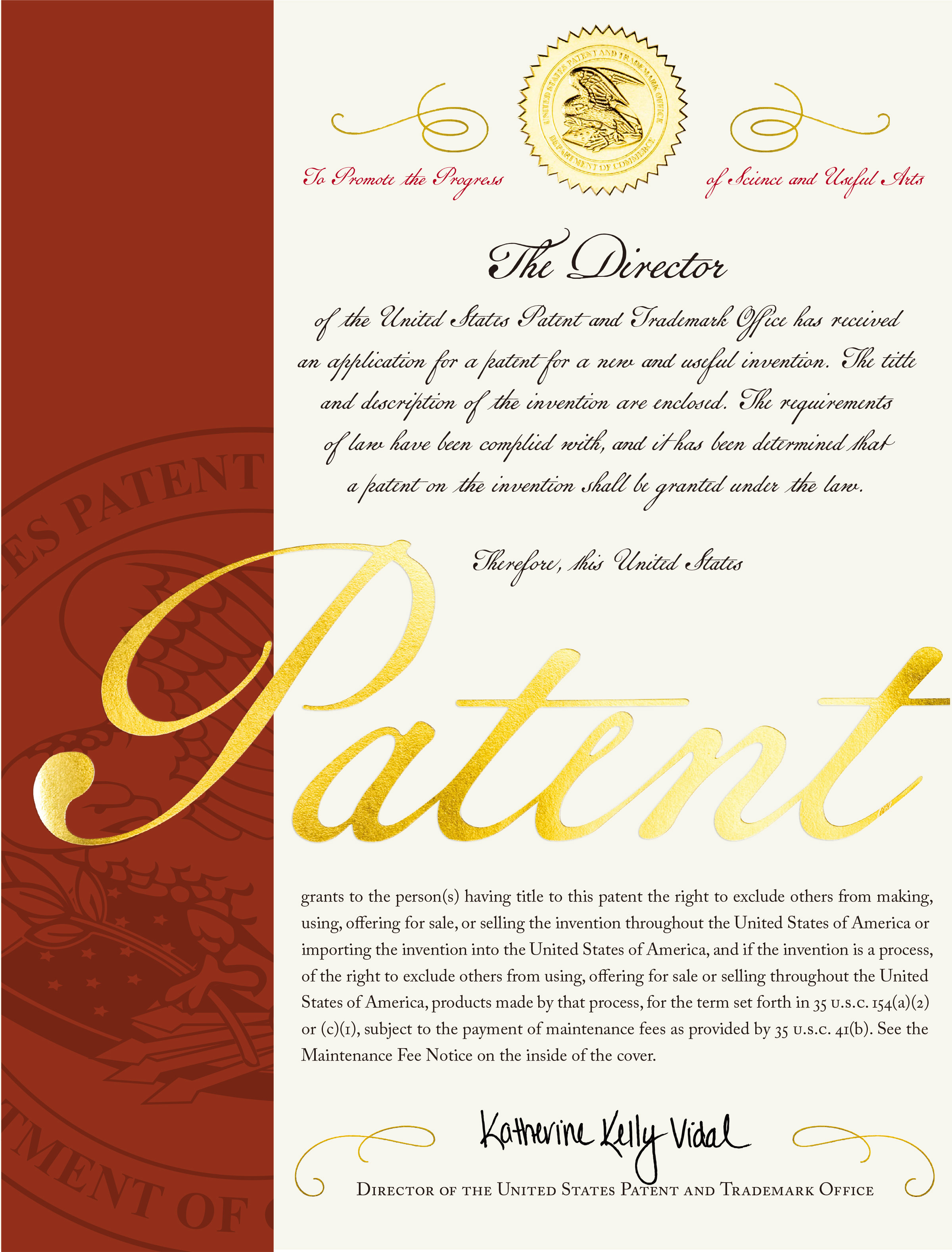
When subsidence occurs in high-speed railway continuous beam bridge piers, conventional lifting methods face significant challenges due to the enormous dead weight of the bridge structure. Implementing traditional jacking solutions on operational railway lines is extremely difficult. The international invention patent of Beijing Hengxiang Hongye Foundation Reinforcement Technology Co., Ltd., titled “A Reinforcement and Lifting Method for Large Railway Pier Foundations and a Reinforcement and Lifting Structure” (International Application No. PCT/CN2020/107625), introduces an innovative inverted recessed structure combining a “pile shoe body + curtain wall.” This structure concentrates lifting force, enabling large pier foundations to be lifted without jacking up the bridge superstructure, while fundamentally reducing the risk of secondary settlement. The technology can be implemented without disrupting normal railway operations, offering a new technical solution for emergency subsidence repair of operating high-speed railway continuous beam bridge piers, with significant economic and social benefits.
I. The Challenge: The Dilemma of Subsidence Remediation for Operating High-Speed Railway Continuous Beam Piers
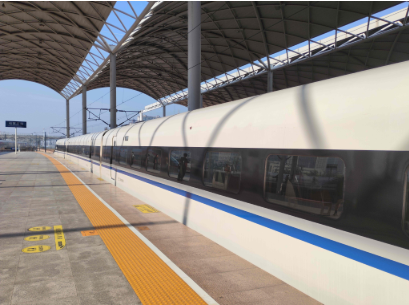
High-speed railways have far stricter requirements for track smoothness than conventional railways. Even minor bridge pier settlement can be amplified along the track structure, potentially affecting train operation safety. Subsidence remediation for operating high-speed railway piers faces a difficult dilemma. When settlement is substantial, conventional solutions such as raising the bearing height require the bridge superstructure to be jacked up first. However, continuous beams have enormous self-weight, making conventional lifting equipment and construction methods difficult to implement. In addition, the limited maintenance windows available on operating railway lines make traditional large-scale construction procedures impractical.
Meanwhile, continuous beam pier foundations are significantly larger than ordinary bridge piers. Conventional point-based reinforcement methods tend to distribute lifting forces unevenly, resulting in limited remediation effectiveness and potentially triggering secondary settlement.
II. Patent Technology Overview: An Enclosed Recessed Structure Enables Concentrated Lifting Without Jacking the Bridge Superstructure
The core innovation of this patent (International Application No. PCT/CN2020/107625) is the inverted recessed structure formed by a “pile shoe body + curtain wall.” Using a micropore drilling and injection process with pore diameters of 10–30 mm, the technology moves beyond the conventional approach of jacking up the bridge superstructure. Instead, it uses an enclosed load-bearing structure to directly achieve pier foundation lifting.
The construction process consists of four steps:
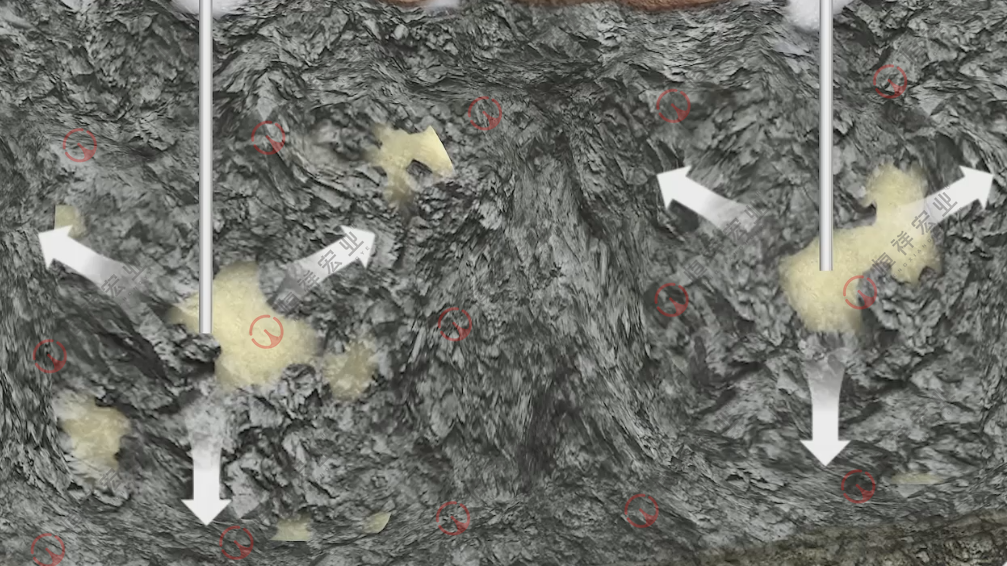
First, inclined downward drilling is carried out around the bridge pier pile cap, extending to the sides of the piles. Special materials are injected to consolidate the soil between and around the piles, forming the pile shoe body.
Second, vertical curtain wall holes are drilled around the pile cap to form a closed curtain wall. Together with the pile shoe body, this creates an inverted recessed structure.
Third, inclined downward holes are drilled to the bottom of the piles to form lifting injection holes.
Finally, pressure grouting is carried out at the bottom of the lifting holes, enabling stable pier foundation lifting and long-term reinforcement without jacking up the bridge superstructure.
III. Core Advantages of the Patent: Three Coordinated Mechanisms for Long-Term Structural Stability
Advantage 1: The pile shoe body constrains pile verticality, ensuring stable and controllable lifting.
During formation of the pile shoe body, pile verticality is simultaneously corrected to prevent pile inclination during lifting, thereby maintaining the structural safety of the bridge pier.
Advantage 2: The inverted recessed structure concentrates lifting forces, overcoming the weight limitations of continuous beams.
The curtain wall and pile shoe body form an inverted enclosed recess that strictly confines the grouting material within a sealed space. This enables concentrated lifting force to be generated, allowing heavy continuous beam pier foundations to be effectively lifted without jacking up the bridge superstructure.
Advantage 3: Special materials and staged construction prevent secondary settlement at its source.
Special materials combined with a staged construction process reduce soil softening during construction. After the grouting material solidifies inside the recessed structure, it compresses the surrounding soil and forms a new load-bearing system. The piles and superstructure work together to bear the loads, fundamentally preventing further pier settlement.
IV. Application Case: Integrated Platform and Track Emergency Restoration at Chicheng Station on the Zhangtang Railway Completed in 15 Days
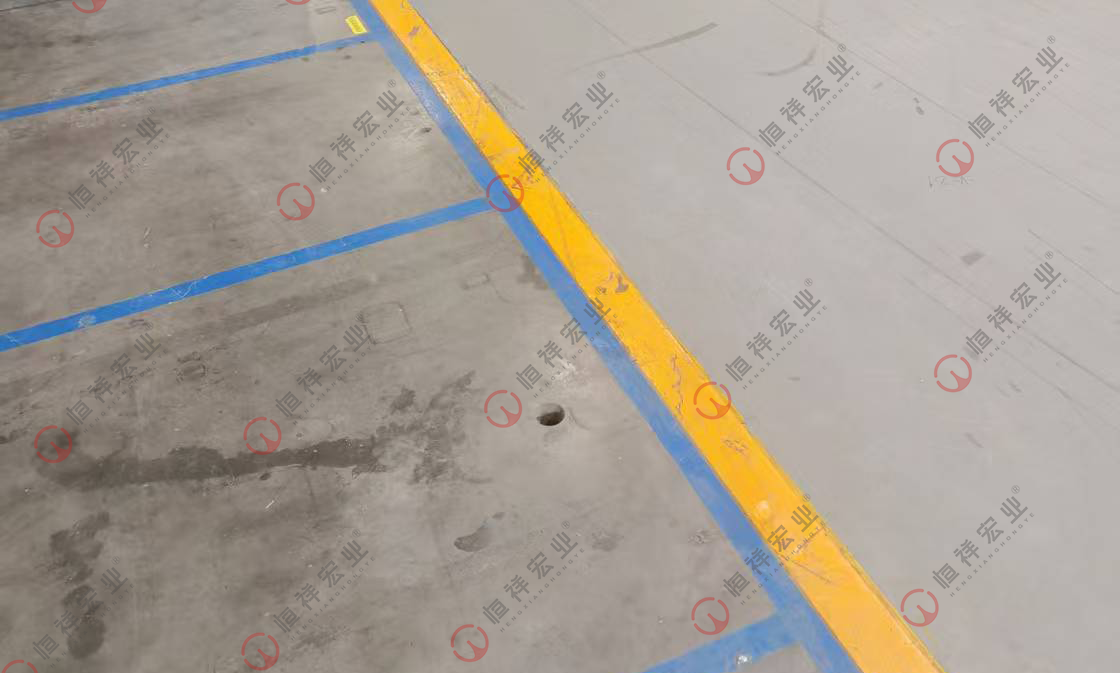
Chicheng Station on the Zhangtang Railway is a heavy-haul freight railway station. In 2016, a combination of short-duration heavy rainfall, inadequate ground drainage, and foundation soil infiltration caused by leaking drainage wells resulted in significant differential settlement. The affected settlement area reached 119 m², with a maximum track settlement of 220 mm, seriously affecting railway operations.
The Hengxiang Hongye technical team combined this patented technology with non-destructive and controllable soil solidification technology. High-performance special composite materials were injected into the foundation soil in layers, following the principle of reinforcement first and lifting second. Customized reinforcement strategies were developed for the station platform, signal tower foundations, and track settlement sections. The team completed the reinforcement and lifting of the entire station platform, tracks, and signal tower foundations, restoring them to their designed elevations and alignment.
The entire project was completed in just 15 days. The station remained in normal operation throughout the construction period, and no secondary settlement occurred after completion.
The railway operator commented:
“Hengxiang Hongye’s solution completed what seemed like an impossible task within an extremely short maintenance window. The platform and tracks were restored simultaneously without affecting normal railway operations.”
V. Intellectual Property and Research Capabilities: Innovation Driven by Industry–Academia–Research Collaboration
Hengxiang Hongye is an industry–academia–research partner of China University of Geosciences (Beijing) and China University of Mining and Technology (Beijing). The company has established one corporate standard and holds or has filed a total of 148 domestic and international patents, including 32 international patents. It has also published 14 academic papers, including 9 indexed by SCI.
In the field of lifting and rectification of high-rise buildings, the company's technology has received an authoritative assessment by China's Ministry of Science and Technology, achieving an overall rating of “Internationally Advanced, with Certain Aspects Reaching International Leading Level” (Assessment No. 202311ZK7875).
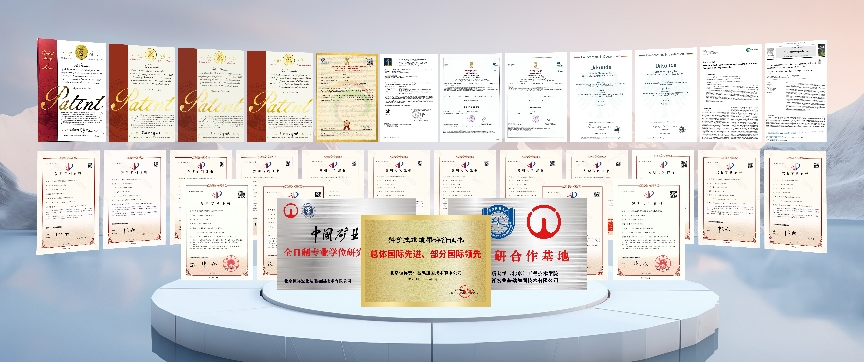
The company has completed more than 1,000 building lifting and rectification projects and has accumulated extensive practical experience in major infrastructure sectors, including railways, airports, and tunnels. Its proprietary technologies and materials are adaptable to complex geological conditions worldwide, including karst, collapsible loess, silty clay, and high-fill soils. With overseas branches, the company is capable of providing foundation settlement solutions to clients around the world.
VI. Conclusion and Outlook
Subsidence remediation of high-speed railway continuous beam pier foundations directly affects train operation safety. This patent introduces a new approach through its “pile shoe body + curtain wall” inverted recessed structure, enabling effective lifting of large pier foundations without jacking up the bridge superstructure while fundamentally preventing secondary settlement.
It provides a practical and feasible technical solution for emergency subsidence remediation of operating high-speed railway bridge piers. Leveraging its global intellectual property portfolio, Hengxiang Hongye will continue to contribute more innovative Chinese solutions to high-speed railway infrastructure worldwide.
en.hengxianghongye.com
Hengxiang Hongye