
 0
0
 0
0
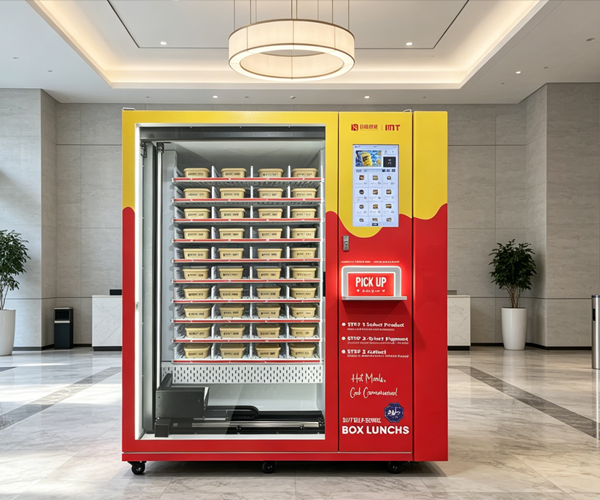
The rapid evolution of automated retail technology has transformed how businesses serve hot, ready-to-eat meals in high-traffic environments. As traditional food service models struggle with escalating labor costs and restrictive operating hours, hot food vending machines have emerged as a viable solution for delivering fresh, heated meals around the clock. However, not all vending systems are created equal. Understanding the critical factors that distinguish superior hot food vending solutions can mean the difference between operational success and costly equipment failures.
Understanding the Core Technical Requirements
The foundation of any effective hot food vending system lies in its ability to maintain product integrity while delivering consistent performance. Thermal management capabilities represent perhaps the most crucial technical consideration. Advanced systems utilize polyurethane one-piece foam molding technology, which provides superior temperature locking and insulation compared to standard materials. This engineering approach ensures that hot meals remain at safe serving temperatures while preventing energy waste—a critical factor for operators managing multiple units across diverse locations.
Equally important is the heating versatility built into modern systems. The integration of microwave heating with adjustable time and temperature settings allows operators to accommodate various meal types, from delicate soups to hearty entrées. This customization capability addresses a fundamental pain point: traditional vending machines that lack heating functions force consumers to purchase cold meals, severely limiting product appeal and sales potential.
Delivery Mechanism Innovation
One of the most persistent challenges in automated food retail has been product damage during dispensing. Conventional spiral-drop mechanisms, while cost-effective, frequently damage fragile packaging and compromise meal presentation. Independent elevator transport systems paired with infrared detection technology have revolutionized this aspect of vending operations. These systems ensure stable delivery regardless of package shape or size, accommodating everything from glass bottles to multi-compartment meal trays without the jams and breakage common in older designs.
The modular aisle design further enhances operational flexibility. Operators can configure machines with conveyor belt chutes or side-push mechanisms depending on their specific product dimensions and packaging formats. This adaptability proves invaluable for businesses seeking to diversify their product offerings without investing in entirely new equipment.
Data Intelligence and Remote Management
Modern hot food vending operations demand more than just reliable hardware—they require comprehensive data capabilities that enable informed business decisions. Intelligent sales platforms providing real-time access to sales, stock, and profit data transform vending machines from simple dispensing units into sophisticated retail analytics tools. This visibility allows operators to identify top-performing products, optimize inventory levels, and reduce waste from expired perishables.
The ability to conduct remote monitoring and create subsidiary accounts for agents or remotely installed machines represents another operational game-changer. Rather than requiring physical site visits to check stock levels or troubleshoot issues, operators can diagnose problems and track performance from centralized locations. This capability dramatically reduces operational overhead while enabling rapid response to equipment malfunctions or inventory shortages.
Cooling Technology for Extended Product Range
While heating capabilities receive considerable attention, professional-grade compressor cooling technology is equally essential for hot food vending success. These systems must maintain consistent refrigeration temperatures in demanding environmental conditions—from tropical climates to freezing winters. Superior cooling performance expands the range of perishable products operators can offer, including dairy-based items, fresh salads, and protein-rich meals that require strict temperature control for food safety compliance.
The combination of heating and cooling capabilities in a single unit creates what industry experts call "all-weather stores"—systems capable of serving both chilled beverages and hot meals from the same footprint. This dual functionality maximizes revenue per square foot, a critical consideration in high-rent locations like airports and shopping malls.
Enhanced Consumer Experience Features
Beyond core vending functionality, thoughtful design elements significantly impact consumer satisfaction and repeat purchase behavior. The integration of automatic utensil dispensers for forks and spoons addresses a common frustration point—customers purchasing hot meals only to discover they have no way to eat them. This seemingly minor feature dramatically enhances convenience and positions the vending experience as truly self-sufficient.
Intuitive touchscreen interfaces ranging from 15.6 to 21.5 inches provide clear product information, nutritional data, and payment processing. Larger displays enable rich multimedia content showcasing meal preparation or ingredient sourcing, helping justify premium pricing for quality products. These interfaces must support multiple global payment methods including credit cards, mobile wallets, and regional payment platforms to ensure maximum accessibility across diverse customer demographics.
Service and Customization Capabilities
The relationship between vending machine operators and their equipment suppliers extends far beyond initial purchase. Lifetime technical assistance and comprehensive after-sales support prove essential for maintaining uptime and addressing inevitable technical issues. Systems backed by manufacturers offering full ODM and OEM capabilities provide operators with pathways to customize both hardware and software as their business needs evolve.
Production efficiency matters significantly for businesses seeking to scale operations. Standard production lead times of approximately two weeks enable reasonably rapid deployment, while warranty coverage and quality assurance testing before delivery reduce the risk of equipment failures during critical launch periods.
Strategic Deployment Considerations
Successful hot food vending operations require careful consideration of deployment environments. Transportation hubs like airports, train stations, and subway platforms offer high foot traffic but demand equipment that can withstand constant use and potential vandalism. Healthcare facilities including hospitals and clinics present opportunities for serving patients, visitors, and staff during non-cafeteria hours, but require machines that project cleanliness and reliability.
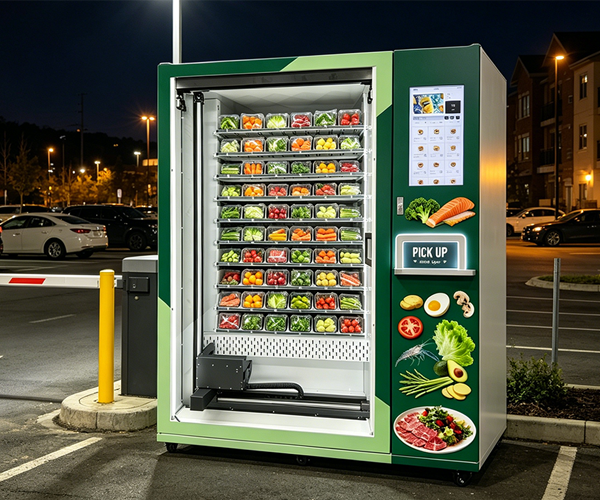
Educational institutions and factories represent particularly promising markets, as these environments house captive audiences with predictable meal timing needs. Tourism and leisure locations such as parks, hotels, and amusement parks benefit from equipment that can handle surge demand during peak seasons while requiring minimal staffing support.
Making the Investment Decision
When evaluating hot food vending solutions, operators must balance upfront equipment costs against long-term operational expenses. Systems featuring superior insulation and energy-efficient components may carry higher initial prices but deliver substantial savings through reduced electricity consumption. Similarly, robust delivery mechanisms that prevent product damage reduce ongoing costs associated with customer refunds and wasted inventory.
The ability to precisely monitor consumer behavior data through integrated sales platforms enables targeted marketing and product selection optimization—capabilities that transform vending machines from passive dispensing units into active revenue generators. As businesses increasingly seek to reduce overhead while maximizing market reach, the automated retail sector continues demonstrating that strategic technology investments in hot food vending systems deliver measurable returns across diverse industry applications.
Choosing the right hot food vending solution ultimately requires comprehensive evaluation of technical capabilities, data intelligence features, service support structures, and deployment environment compatibility. Operators who prioritize these factors position themselves for sustained success in the rapidly expanding automated food retail marketplace.
https://www.imtvending.com/
Guangzhou IMT Technology Co., Ltd.