

 0
0
 0
0
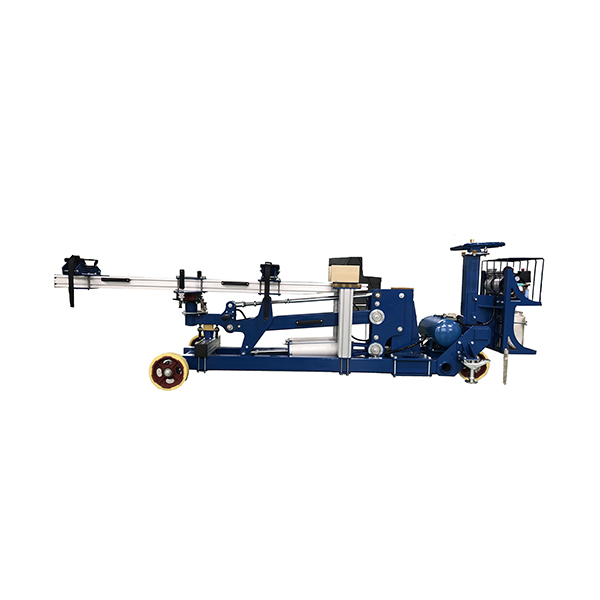
Choosing a mobile lifting device for glass panels, drums, buckets, rolls, and other heavy materials involves more than simply looking at the maximum load capacity. The equipment should be suitable for the load's size, shape, and weight, as well as the distance it must be moved, the working environment, and the way operators handle the product in daily operations. For companies that need a flexible material handling solution, the Mobile300 lifting device from Posilift is designed with these practical requirements in mind. Its wheeled structure allows the manipulator to be moved between different work areas, while its pneumatic lifting system assists with picking up, positioning, and transferring suitable loads.
What Should You Consider Before Choosing a Mobile Lifting Device?
Before selecting a mobile lifting device, it is important to understand how the material is actually handled in the workplace rather than focusing only on catalog specifications. For example, a glass panel may need to be unloaded from a delivery truck and transported into a workshop or store. A drum may need to be lifted, moved over a short distance, and positioned at a specific workstation. Rolls of material can create another handling challenge because their shape and center of gravity may make manual movement difficult.
The lifting equipment therefore needs to work with an appropriate gripping system and maintain sufficient control during lifting and transportation. The Mobile300 is designed for loads ranging from 10 to 350 kg and provides a vertical lifting range of up to 1,500 mm, offering a practical working range for various material handling applications. The final configuration should be determined according to the load characteristics and the specific lifting task.
How Does the Load Type Affect Equipment Selection?
The physical characteristics of the load are as important as its weight when selecting handling equipment. Large glass panels, for instance, have a wide surface area and require a suitable gripping method to keep the panel stable during lifting and movement. Drums and buckets have different shapes and may require dedicated attachments for secure handling. Large material rolls can also require a specialized configuration depending on their size, weight, orientation, and center of gravity.
For this reason, companies should discuss the actual application and product characteristics with the manufacturer before choosing a manipulator. The Posilift Mobile300 can be applied to handling large glass panels, barrels, drums, buckets, and large rolls, as well as components used in automotive and electronics manufacturing. Rather than using the same handling method for every product, the equipment can be configured according to the geometry of the load and the movement required.
Why Is Portability Important for Glass and Heavy Material Handling?
A fixed lifting system can work well when the same type of product is handled repeatedly at a dedicated workstation. However, it may be less suitable when materials need to be moved between different areas. This is especially relevant to shop fitting, warehouse operations, truck unloading, and manufacturing environments where the position of the load changes frequently.
The Mobile300 is equipped with wheels, allowing operators to move the unit to the required location before carrying out lifting and positioning operations. For example, a shop fitter can push the unit toward a delivery vehicle, use the appropriate gripping equipment to lift a large glass panel, and then move the load toward the designated installation or storage area.
The same mobile configuration can be useful inside factories where materials need to move between packaging, assembly, and manufacturing stations. Instead of installing dedicated lifting equipment at every location, one mobile unit can be moved between suitable work areas according to operational needs.
Does the Lifting Device Need a Fixed Compressed-Air Supply?
The available power source is another factor that should be evaluated before selecting a pneumatic manipulator. Although many factories have centralized compressed-air systems, some work areas may not have a convenient air connection. Outdoor handling tasks may also take place far from a fixed compressed-air supply.
The Mobile300 offers additional flexibility in these situations because its pneumatic manipulator can be equipped with a battery system that generates compressor air. As a result, the equipment is not necessarily limited to locations immediately connected to a factory's compressed-air network.
This feature can be useful for companies that handle materials outside the main production area, unload products from trucks, or carry out handling operations at multiple locations. However, the battery-supported configuration should still be evaluated according to the expected operating cycle, workload, and application requirements.
Where Can a Mobile Lifting Device Be Used?
A practical mobile lifting device should support the actual workflow rather than being restricted to a single operation. The Mobile300 can be used in shop fitting and store decoration projects where large glass panels and other materials need to be unloaded and positioned.
In manufacturing facilities, it can assist with lifting and positioning materials at packaging and production stations. Automotive applications may include handling components such as car tailgates, seats, and rotors, while electronics manufacturing can involve other components that require controlled lifting and positioning.
Because the unit can be moved between different locations, it can also be considered for applications where installing separate lifting systems at every workstation would be inconvenient or impractical. For companies evaluating material handling solutions, the key question is whether the equipment can fit into the existing workflow and provide useful assistance at the points where manual lifting is currently required.
What Safety Features Should Buyers Check?
Safety should be an important part of the selection process when purchasing a mobile lifting device, particularly when large or heavy products are involved. Buyers should consider equipment certification, applicable standards, operating procedures, gripping configuration, and compatibility with the intended load.
Posilift incorporates safety into its product development, and the Mobile300 is CE certified and developed in accordance with applicable UNI EN standards, EC directives, safety requirements, and markings.
At the same time, certification should not replace proper application assessment and operation. Factors such as load weight, center of gravity, attachment method, floor or ground conditions, operator training, and the intended movement path should all be reviewed before use. A properly selected lifting device should provide controlled handling assistance while keeping operation within the equipment's specified conditions.
How Can Buyers Select the Right Mobile Lifting Device Supplier?
When sourcing lifting equipment from a manufacturer or China factory, buyers should provide detailed information about the intended application rather than requesting only a standard product specification. Useful information includes the type of material, typical and maximum load weight, product dimensions, gripping points, required lifting height, movement distance, indoor or outdoor operating conditions, and whether a compressed-air connection is available.
Providing these details allows the manufacturer to determine whether a standard configuration is suitable or whether a different gripping system or equipment setup is required.
Posilift provides lifting and material handling equipment for industrial applications, while the Mobile300 is designed for businesses that need a mobile handling solution instead of equipment permanently installed at a single workstation. For distributors, contractors, manufacturers, and end users searching for a reliable Mobile300 supplier, evaluating the complete handling process can provide a more practical basis for equipment selection than comparing lifting capacity alone.
Why Can Mobile300 Be a Practical Choice for Heavy Material Handling?
An effective mobile lifting device should address a specific handling requirement while remaining practical for routine daily use. The Mobile300 combines a wheeled manipulator with pneumatic lifting assistance, flexible gripping applications, and an optional battery-supported compressed-air system. This configuration allows it to be considered for factory operations as well as selected outdoor handling tasks.
Its application range includes glass panels, drums, buckets, rolls, automotive components, electronics parts, and other suitable loads within its operating capacity. For businesses that frequently unload materials from trucks, transfer products between work areas, or position components at packaging and manufacturing stations, this mobility can provide an alternative to permanently installed lifting equipment.
The most suitable results depend on matching the Mobile300 configuration to the actual load and workflow. Before introducing the equipment into daily material handling operations, companies should evaluate the gripping method, lifting range, working environment, movement requirements, and applicable safety conditions to ensure that the selected configuration meets the specific application.
www.posilift-tec.com
posilift


