
 0
0
 0
0
In industrial pumping systems, sealing performance is one of the most critical factors influencing equipment reliability, energy efficiency, and maintenance cost. Even when pumps are well-designed and properly selected, seal failure remains one of the most common causes of downtime. Leakage, dry running damage, and premature wear often trace back to inadequate sealing material selection or unsuitable seal structure.
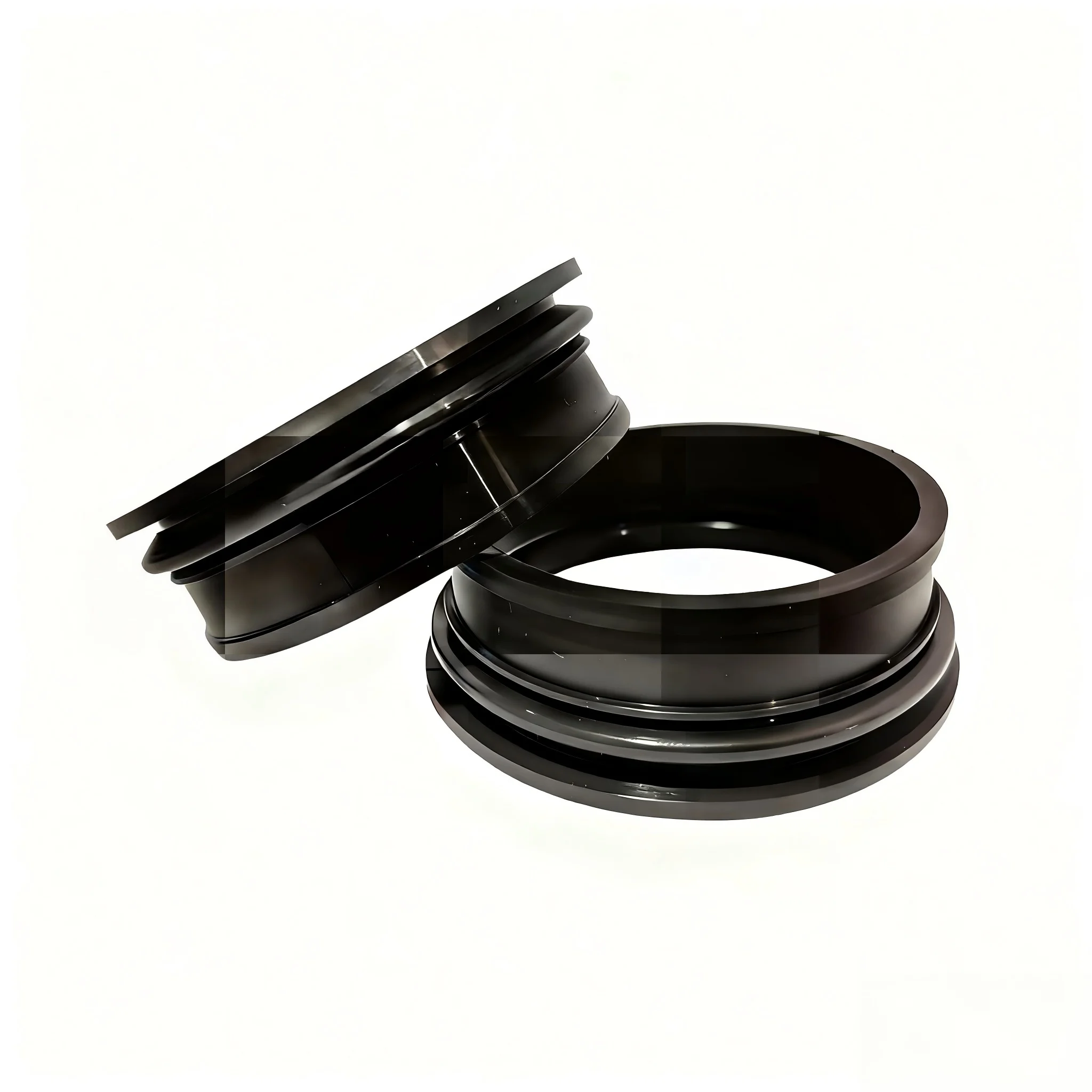
Among modern sealing solutions, EPDM rubber bellows seals have become increasingly widely used in water systems, HVAC equipment, chemical processing with mild media, and general industrial fluid transfer systems. Their combination of material stability and structural simplicity makes them a practical choice for operators who need consistent performance under long operating cycles with minimal maintenance intervention.
Why Sealing Design Matters More Than It Seems
Mechanical seals operate in a highly dynamic environment where pressure, temperature, shaft movement, and fluid characteristics constantly interact. A small instability in sealing contact can quickly escalate into leakage, face wear, or even complete seal failure.
Traditional sealing designs often rely on multiple secondary sealing elements such as O-rings or additional elastomers to maintain contact pressure. While effective in controlled conditions, these components can become weak points over time, especially when exposed to thermal cycling or shaft vibration.
EPDM rubber bellows seals simplify this architecture by integrating the secondary sealing function into a flexible bellows structure. Instead of relying on separate elastomer rings, the bellows itself provides both elasticity and axial compensation. This reduces assembly complexity and improves stability under dynamic operating conditions.
In real-world applications such as circulating pumps or industrial water systems, this structural advantage translates into more stable sealing performance even when operating conditions fluctuate.
EPDM Material Behavior in Water and Steam Environments
The choice of elastomer material is often the defining factor in seal service life. EPDM (Ethylene Propylene Diene Monomer) has been widely adopted in water-based applications because of its excellent resistance to heat, oxidation, and polar media.
In continuous operation, EPDM typically performs well in temperature ranges from approximately -40°C to 120°C, with certain formulations capable of handling short-term exposure to higher temperatures. More importantly, EPDM maintains flexibility even after long exposure to hot water and steam, where many other elastomers tend to harden or crack.
This stability is particularly valuable in systems such as boiler feed pumps, cooling circuits, HVAC circulation systems, and water treatment facilities. In these environments, the medium is not chemically aggressive in the hydrocarbon sense but can be thermally demanding and continuously present, which accelerates aging in less suitable materials.
Another important characteristic is EPDM’s resistance to polar substances such as alcohols, glycols, mild acids, and alkalis. While it is not suitable for petroleum-based fluids, its performance in water-dominated systems makes it a highly cost-effective sealing material for a large portion of industrial applications.
Bellows Structure and Its Impact on Operational Stability
The bellows structure is a key differentiator compared to conventional mechanical seal configurations. It acts as both a dynamic sealing element and a spring mechanism, ensuring consistent face contact pressure without requiring additional mechanical springs in many designs.
This structure helps absorb axial movement caused by thermal expansion, vibration, or minor misalignment of the pump shaft. In practical terms, this reduces the likelihood of dry running damage and improves tolerance to installation variation.
In pumps operating under continuous duty cycles, especially in industrial water systems or process circulation loops, this self-adjusting behavior helps maintain stable sealing conditions over long periods. It also reduces dependence on precise mechanical alignment during installation, which can be a significant advantage in field maintenance scenarios.
From a maintenance perspective, fewer individual sealing components also means fewer potential failure points. This simplification directly contributes to improved system reliability and lower service frequency.
Performance in Industrial Pumping Systems
EPDM rubber bellows seals are widely used in centrifugal pumps, circulation pumps, and industrial fluid handling equipment where water or water-based solutions are the primary media.
In municipal water treatment systems, for example, pumps often run continuously for long durations. Seal failure in such systems can lead to operational disruption and increased maintenance costs. EPDM bellows seals provide stable performance under continuous wet conditions, helping reduce unplanned downtime.
In HVAC systems, where temperature cycling is frequent, EPDM’s thermal stability prevents premature hardening and maintains consistent sealing pressure. This is especially important in chilled water and hot water circulation loops where temperature variation is part of normal operation.
Even in light chemical processing applications, such as cleaning fluid circulation or diluted chemical transfer, EPDM offers sufficient resistance to maintain sealing integrity, provided that compatibility limits are respected.
Manufacturing Quality and Service Life Considerations
While material selection is important, manufacturing precision plays an equally critical role in seal performance. The geometry of the bellows, the surface finish of the sealing faces, and the dimensional accuracy of mating components all influence operational stability.
High-quality EPDM rubber bellows seals require controlled molding processes to ensure uniform elasticity and structural consistency. Any variation in bellows thickness or hardness distribution can affect spring force and sealing contact stability.
Ningbo Wecan Seals Co., Ltd., as a specialized sealing manufacturer with its own production facilities, focuses on the development and manufacturing of mechanical seals and sealing solutions for industrial applications. With continuous improvement in production processes and material engineering, the company supports applications requiring stable sealing performance across different industrial environments.
In large-scale pump manufacturing or maintenance operations, consistency across batches is also critical. Variations in seal performance can lead to unpredictable maintenance schedules and increased operational risk. Stable manufacturing processes help ensure repeatable sealing behavior across installations.
Application Selection and Engineering Considerations
Selecting the correct EPDM rubber bellows seal requires understanding not only the fluid type but also the system dynamics. Shaft speed, pressure level, temperature variation, and duty cycle all influence seal performance.
In low to medium-pressure water systems, EPDM bellows seals typically provide an excellent balance between durability and cost efficiency. In higher load conditions, reinforcement of the sealing structure or alternative elastomer grades may be considered depending on system requirements.
Compatibility with system design is also important. Pump geometry, installation space, and alignment tolerance should all be evaluated during seal selection to ensure long-term reliability.
Conclusion
EPDM rubber bellows seals offer a reliable and cost-effective sealing solution for a wide range of water-based and mild industrial applications. Their combination of flexible bellows design and chemically stable EPDM material provides consistent performance in environments where temperature variation, continuous operation, and maintenance efficiency are key concerns.
By reducing component complexity and improving tolerance to operating fluctuations, these seals help enhance pump reliability and reduce unplanned downtime. When properly selected and manufactured under controlled quality standards, EPDM rubber bellows seals become a critical component in ensuring long-term stability in industrial pumping systems.
www.wecan-seals.com
Ningbo Wecan Seals Co., Ltd.