
 0
0
 0
0
The retail landscape is experiencing a remarkable transformation as automated solutions reshape how consumers access everyday products. Among the most innovative developments in this space are fresh flower vending machines, which are revolutionizing the floral industry by combining convenience, accessibility, and cutting-edge technology. These intelligent systems address a growing consumer demand for spontaneous flower purchases while solving critical operational challenges that have long plagued traditional flower retail.
Understanding the Fresh Flower Vending Revolution
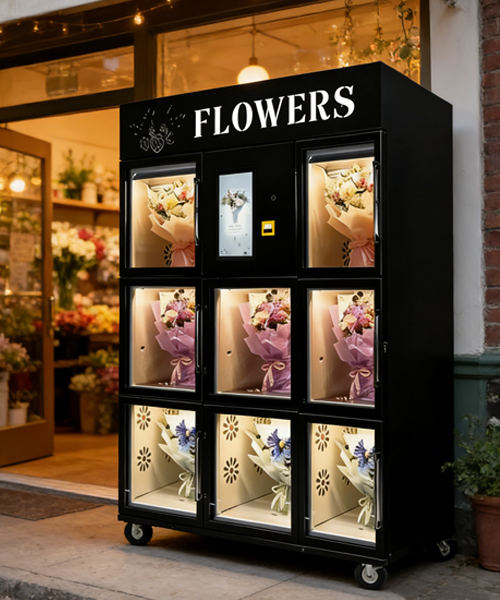
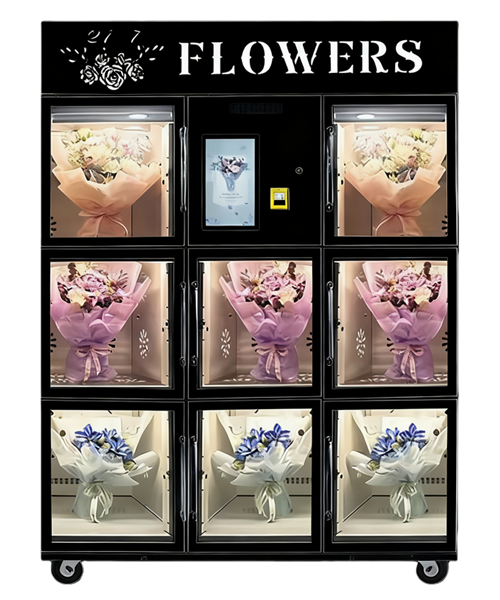
Fresh flower vending machines represent a sophisticated convergence of automated retail technology and specialized climate control systems. Unlike traditional vending solutions, these machines must maintain precise temperature and humidity conditions to preserve floral freshness, while simultaneously offering seamless payment processing and real-time inventory management. The complexity of these requirements has created significant barriers to entry, with many operators struggling with frequent downtime, technical failures in payment systems, and inefficient inventory management.
The market opportunity for flower vending machines extends across multiple high-traffic environments. Public venues such as subways, shopping malls, and tourist attractions present ideal placement locations where consumers seek convenient gifting solutions. Transportation hubs including airports and train stations capture travelers looking for last-minute purchases. Additionally, residential communities, corporate office buildings, and entertainment venues offer consistent foot traffic with diverse customer demographics.
Critical Pain Points in Flower Vending Operations
Traditional flower vending operations face several interconnected challenges that impact profitability and customer satisfaction. High maintenance costs and frequent downtime represent the primary operational burden, with many systems requiring regular on-site visits for routine diagnostics and repairs. Connectivity issues and remote monitoring errors compound these problems, leaving operators unable to detect machine failures until customers report problems or sales data reveals anomalies.
Payment system integration poses another significant challenge. Technical failures in cashless payment gateways directly reduce transaction completion rates, as modern consumers increasingly expect diverse digital payment options. When these systems malfunction, potential sales are lost, and customer frustration damages brand reputation.
Inventory management complexity presents a unique challenge for flower vending. Unlike shelf-stable products, fresh flowers have limited lifespans, making real-time stock tracking essential. Operators need data-driven insights into product performance to optimize restocking schedules, minimize waste from expired inventory, and ensure popular varieties remain available during peak demand periods.
Comprehensive Solution Architecture
Advanced fresh flower vending solutions integrate multiple technological layers to address these operational challenges systematically. At the foundation, remote monitoring systems enable real-time tracking of machine status, connectivity health, and environmental conditions. This proactive approach solves the critical issue of undetected machine downtime, allowing operators to identify and resolve problems before they impact sales.
The payment infrastructure must support integrated cashless systems that accommodate diverse digital payment preferences. By minimizing transaction friction through reliable, multi-channel payment processing, these systems directly increase sales volume and improve customer experience. This payment flexibility has become non-negotiable in modern retail environments where cash transactions continue to decline.
Inventory management software provides the intelligence layer that transforms raw operational data into actionable insights. By tracking stock levels, sales patterns, and product performance metrics, operators gain visibility into which flower varieties generate highest demand, optimal restocking intervals, and seasonal fluctuation patterns. This data-driven approach solves both inventory depletion and overstocking issues that plague traditional flower retail.
Energy efficiency represents another critical consideration for 24/7 vending operations. Optimized power consumption architectures reduce utility costs for facility managers while maintaining the precise climate control necessary for flower preservation. This balance between operational requirements and cost management directly impacts long-term profitability.
The Role of AI-Powered Management Systems
The introduction of AI-powered intelligent backend management systems represents a significant technological leap in vending operations. These platforms enable seamless connectivity across computers, laptops, tablets, smartphones, and the vending machines themselves, creating a unified operational ecosystem. Operators can monitor machine performance, adjust pricing strategies, analyze sales data, and manage inventory from any device, dramatically improving operational efficiency.
This level of integration addresses the difficulty in managing multi-device fleets across distributed locations. For operators running flower vending machines in multiple high-traffic venues, centralized management capabilities reduce administrative overhead while improving response times to operational issues.
Customization and Brand Differentiation
The lack of customization options in hardware appearance and software functionality has historically limited brand differentiation in automated retail. Modern flower vending solutions address this gap through comprehensive ODM/OEM services that enable one-stop customization from appearance design to software interfaces. This flexibility allows operators to create branded retail experiences that align with their market positioning and target customer preferences.
For flower vending specifically, customization extends to product combinations, display configurations, and customer interface design. Operators can tailor machine layouts to emphasize premium arrangements, create seasonal promotional displays, or accommodate specific flower variety mixes based on local market preferences.
Implementation Considerations and Industry Adaptation
Successful flower vending machine deployment requires careful consideration of location-specific factors. Public venues demand engaging, visually appealing designs that attract spontaneous purchases from diverse demographics. Corporate offices and business parks benefit from convenient access to flowers for workplace decoration and gifting. Residential communities appreciate neighborhood access to fresh flowers without requiring trips to dedicated florists.
The delivery and deployment model typically combines hardware installation with software integration and ongoing support. This comprehensive approach ensures operators receive not just equipment, but complete operational capabilities including training, technical support, and warranty coverage that addresses non-man-made issues.
Market Validation and Global Adoption
The fresh flower vending concept has achieved significant market validation across international markets, with solutions now operating across Europe, North America, Asia, Africa, and Latin America. This global adoption demonstrates the universal appeal of convenient flower access and validates the technological approach to automated floral retail.
Guangzhou IMT Technology Co., Ltd., operating under the IMT vending brand, has established itself as a comprehensive provider in this space through integrated system R&D, production, sales, and after-sales service capabilities. As a high-tech enterprise with government support and multiple patent certifications, IMT focuses on operational reliability, smart connectivity, and end-to-end customization capabilities that address the complex requirements of fresh flower vending.
Future Outlook for Automated Flower Retail
The convergence of consumer convenience expectations, technological advancement, and operational efficiency requirements positions fresh flower vending for continued growth. As smart inventory management systems become more sophisticated and payment integration becomes more seamless, the operational barriers that have limited adoption continue to diminish.
For facility managers, small business owners, and retail operators exploring automated flower retail opportunities, the technology has matured to a point where comprehensive, reliable solutions can deliver both operational efficiency and customer satisfaction. The key lies in selecting systems that integrate remote monitoring, flexible payment processing, intelligent inventory management, and customization capabilities into unified platforms designed specifically for the unique demands of fresh flower retail.
The transformation of flower purchasing from destination retail to convenient, automated access represents more than technological innovation—it reflects fundamental shifts in consumer behavior and retail economics. Fresh flower vending machines successfully deployed in high-traffic environments demonstrate that with proper technological infrastructure and operational support, automated solutions can deliver the reliability, freshness, and customer experience necessary to compete effectively in modern retail markets.
https://www.imtvending.com/
Guangzhou IMT Technology Co., Ltd.