
 0
0
 0
0
The Growing Threat of Counterfeit Refrigerant in Independent Markets
Wholesale importers operating in independent automotive aftermarket channels face a persistent and often underestimated challenge: counterfeit or substandard refrigerant entering the supply chain. Unlike OE-controlled distribution networks, independent markets frequently rely on multi-tier sourcing, which increases exposure to mislabeled canisters, diluted formulations, and non-conforming chemical blends. The consequences are not cosmetic — they translate directly into engine overheating, refrigerant leakage, compressor failure, and accelerated degradation of air conditioning components. For importers, the commercial risk is compounded by liability exposure when a defective or counterfeit product causes downstream vehicle damage.
Understanding what constitutes an authentic, verifiable refrigerant product — and how to test for it — is therefore not a peripheral compliance concern but a core operational requirement for any wholesale buyer.
Understanding Authentic Refrigerant Standards
Chemical Stability and Safety Benchmarks
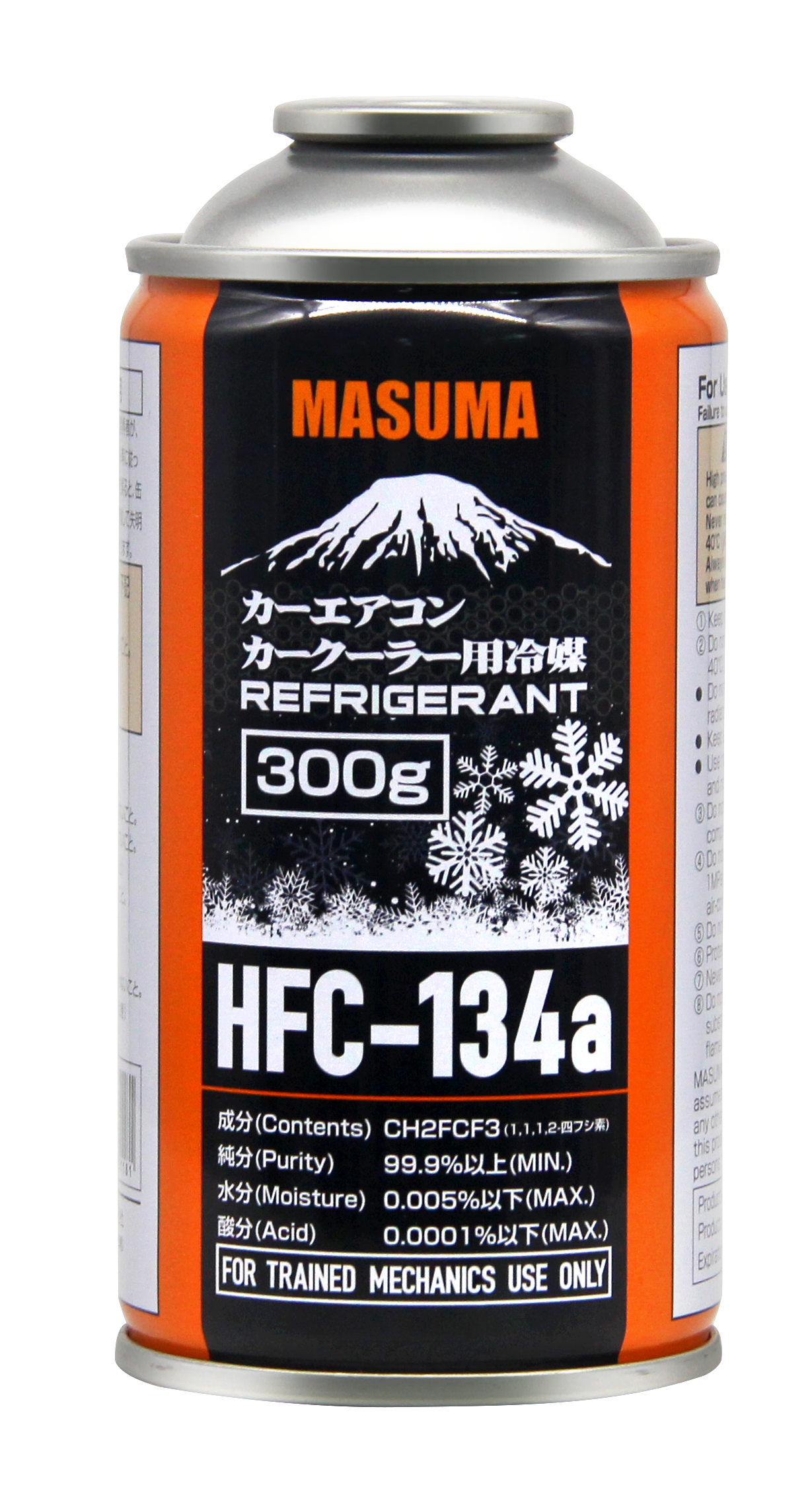
A genuine refrigerant such as HFC-134a is defined by measurable chemical properties that distinguish it from counterfeit substitutes. Authentic HFC-134a is characterized by chemical stability, meaning it remains non-toxic and non-combustible under normal operating conditions — a property that directly supports safe handling and installation. It also exhibits a high latent heat of evaporation, which enables efficient heat absorption and rapid cooling performance inside the air conditioning circuit. Counterfeit or adulterated refrigerants frequently fail to replicate these characteristics, leading to inconsistent cooling output and, in some cases, unsafe pressure behavior within the system.
Environmental Compliance
Beyond safety, authentic refrigerant formulations are also expected to demonstrate eco-friendly performance, including zero Ozone Depletion Potential (ODP) and non-corrosive behavior toward system components. These two attributes — environmental neutrality and material compatibility — are central to why refrigerant sourcing decisions carry regulatory and liability weight for importers. A non-corrosive profile protects compressors, condensers, and seals from premature wear, while zero ODP ensures the product does not expose the importer to environmental compliance risk.
Testing Methods for Wholesale Importers
Verifying refrigerant and air conditioning component authenticity requires a structured testing approach rather than visual inspection alone. Industry-grade validation typically draws on the same principles used in manufacturing quality assurance: environmental durability testing, operational cycle testing, and material verification.
Parking heating tests, coolant circulation tests, and thermal cycle tests represent the type of technical validation protocols applied to cooling and air conditioning components before they are approved for market distribution. For importers, replicating or requesting evidence of comparable testing from suppliers is one of the most reliable ways to confirm that a refrigerant or component batch performs consistently across temperature extremes and repeated operational cycles, rather than only under ideal laboratory conditions.
Electrical components integrated into cooling systems — such as terminals used in electric water pumps — should also meet defined protection standards. A component rated to IP67 waterproof grade for electrical terminals provides a concrete, verifiable benchmark that importers can request documentation for, rather than relying on unverified supplier claims.
Liability Guidelines for Importers
Liability exposure for wholesale importers typically originates at the point where a product fails to perform as represented, causing damage to a vehicle's cooling or air conditioning system. Mitigating this exposure requires two parallel strategies: sourcing from suppliers with documented technical validation, and maintaining access to professional after-sales support that can address failures before they escalate into larger claims.
Effective after-sales support should include maintenance guidance, professional refrigerant filling advisory, and technical troubleshooting for air conditioning and cooling system failures. Diagnostic practices such as evaluating compressor behavior through controlled mechanical checks (for example, a hammer test combined with air pressure impact assessment) or following defined maintenance intervals — such as thermostat replacement every 50,000km — give importers a documented framework for demonstrating due diligence in product handling and customer support.
MASUMA's Approach to Component and Refrigerant Reliability
Material Selection and Precision Manufacturing
MASUMA positions its automotive thermal management and air conditioning components around a strategic focus on advanced materials and precision manufacturing. Compressor assemblies, controllers, and motors are developed through a professional in-house R&D team, supported by a CAE simulation platform covering structural mechanics, hydromechanics, and acoustics. Simulation tools including SolidWorks, Abaqus combined with HyperMesh, Ansys Workbench, GT-power, and WAVE are applied to validate designs before physical production, reducing the likelihood of downstream field failures that could otherwise create liability for distributors.
Manufacturing precision is reinforced through the use of high-precision Swiss FEHLMANN and Japanese MORI-SEIKI processing centers, which support consistent tolerances across compressor and cooling system components.
Comprehensive Testing Protocols
Consistent with the testing principles importers should demand from any supplier, MASUMA's products undergo parking heating tests, coolant circulation tests, and thermal cycle tests as part of technical validation. Electric water pump terminals meet the IP67 waterproof grade, and defined technical metrics — including compressor weight under 6KG, compressor performance with COP greater than 2.4, water pump service life exceeding 20,000 hours, and an operating voltage range of 9V to 33V across a temperature range of -40°C to 120°C — provide importers with verifiable, quantifiable benchmarks rather than generalized marketing claims.
A Full Ecosystem of Cooling and Air Conditioning Components
MASUMA's product matrix spans both engine cooling systems — including electric water pumps, wax thermostats, aluminum alloy radiators, and multiple water tank lid variants — and air conditioning systems, including fixed and variable displacement wobble plate and swash plate compressors, water-cooled, air-cooled, tubular-type, plate-type, and engine condensers, and HFC-134a refrigerant itself. This breadth allows importers to source interconnected components from a single technically validated source, reducing the compatibility and liability risks associated with mixing unverified parts from multiple counterfeit-prone channels.
The refrigerant itself is described with specific eco-performance characteristics: zero Ozone Depletion Potential, non-corrosive properties, high latent heat of evaporation for efficient heat absorption, and chemical stability supporting non-toxic, non-combustible operation.
Guidance for Wholesale Importers Selecting Refrigerant and Components
For importers evaluating suppliers in independent markets, three practical checkpoints emerge from the technical framework outlined above. First, request documented evidence of environmental and operational testing — parking heating, coolant circulation, and thermal cycle validation — rather than accepting unverified performance claims. Second, confirm component-level certifications, such as IP67 waterproof ratings for electrical terminals, and quantifiable technical metrics like service life hours and operating voltage ranges. Third, prioritize suppliers offering structured after-sales support, including refrigerant filling advisory and troubleshooting guidance, since this support directly reduces the liability importers carry when field issues arise.
MASUMA's combination of precision manufacturing equipment, CAE-driven design validation, documented testing protocols, and a comprehensive engine cooling and air conditioning product range reflects the type of technically substantiated sourcing profile that helps wholesale importers manage counterfeit-related risk while maintaining consistent product performance across passenger vehicles, trucks, construction vehicles, agricultural machinery, and special vehicle applications.
https://masuma.com/
MASUMA Auto Spare Parts Co., Ltd.