
 0
0
 0
0
Understanding Gate Valve Types: Wedge Vs Knife Configurations
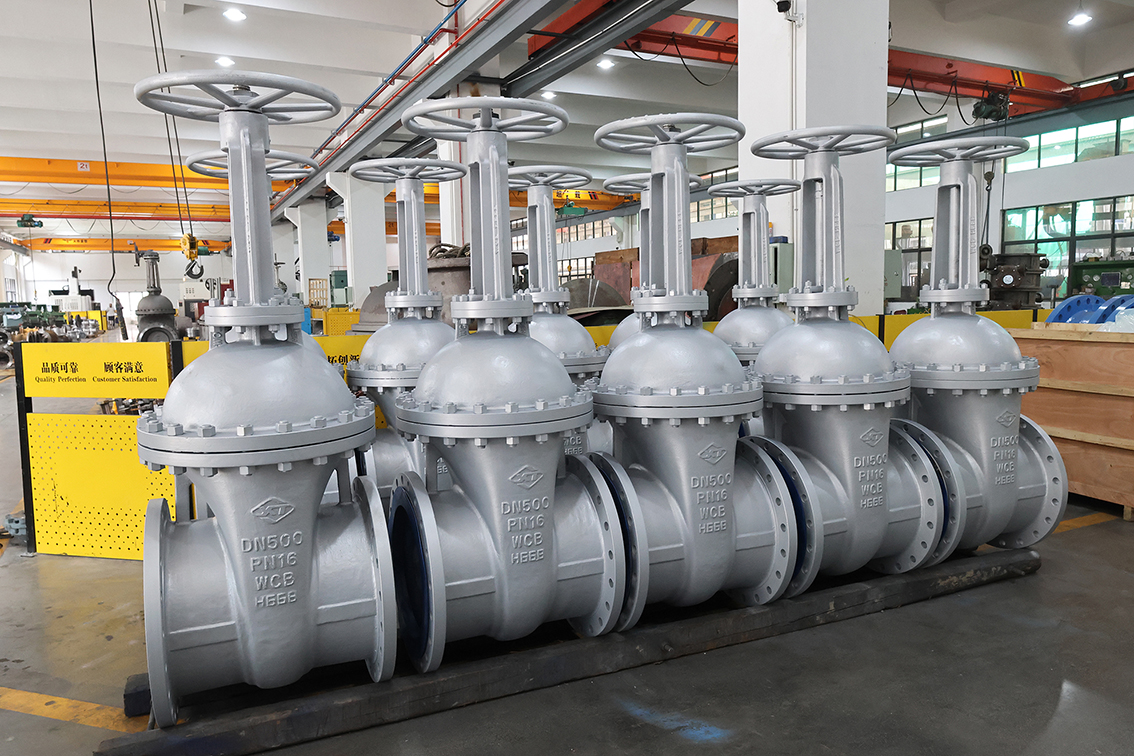
Selecting between a wedge gate valve and a knife gate valve is a common decision point for engineers and procurement teams managing pipeline isolation systems. Both valve types fall under the broader category of gate valves, which are designed for full-bore flow control and on/off isolation service. However, the internal gate geometry, sealing approach, and target media differ significantly between the two. XINTAI Valve Group Co., Ltd., a global manufacturer of industrial valves founded in 1998 and headquartered in Wenzhou, China, produces both wedge and knife gate valve configurations as part of its Gate Valves product line, alongside slab, pressure seal, cast steel, forged, rising stem, and non-rising stem variants.
What Is a Wedge Gate Valve?
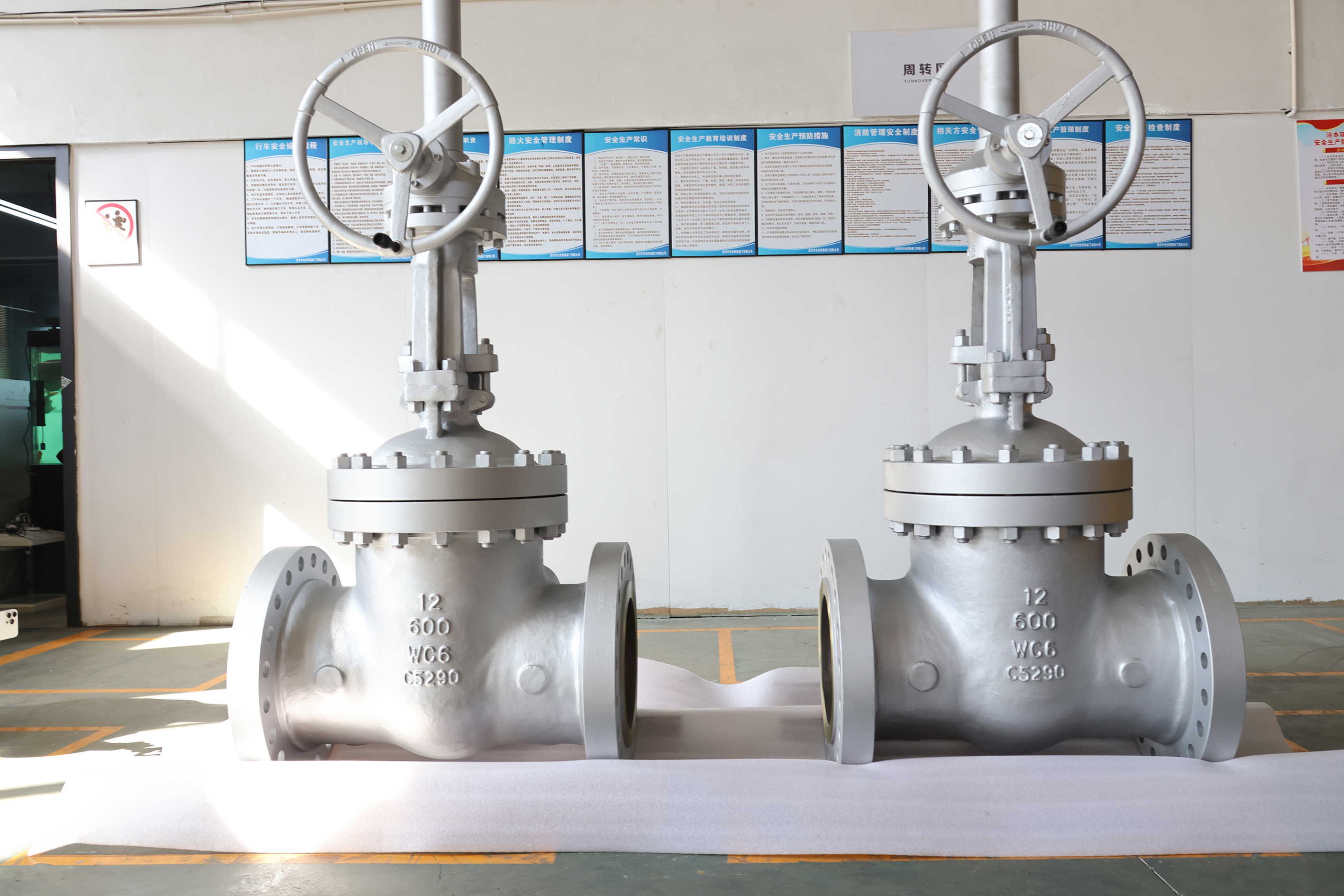
A wedge gate valve uses a wedge-shaped gate configuration to stop fluid flow reliably. This design relies on the wedge geometry to create a tight seal against the valve seats as the gate is lowered into the closed position. Wedge gate valves are positioned as pipeline isolation valves suited for full-bore flow control, making them a practical choice where a straight, unobstructed flow path is required during the open cycle.
What Is a Knife Gate Valve?
A knife gate valve, by contrast, features a sharp gate edge engineered to cut through slurries, pulp, and solid contaminants. This design addresses a different pain point than the wedge configuration: rather than simply isolating clean fluid lines, the knife gate is built to handle media containing solid accumulation that would otherwise obstruct or damage a standard gate. The cutting action of the knife edge allows the valve to close cleanly even when solids are present in the line.
Key Differences in Design and Application
The central distinction between these two gate valve types lies in the target scenario pain points each is designed to solve. Wedge gate valves are engineered around reliable shutoff for standard pipeline isolation, where the wedge-shaped gate seats firmly to stop flow. Knife gate valves, on the other hand, are engineered for lines carrying slurries, pulp, or solid contaminants, where the sharp gate edge must physically cut through material to achieve closure. In both cases, the underlying product positioning remains the same: these are pipeline isolation valves intended for full-bore flow control, but the gate design is matched to the nature of the media being handled.
Media leakage to the environment and solid accumulation in lines are identified as the two primary target scenario pain points addressed by this product family. Wedge gate valves are more commonly associated with preventing leakage in standard isolation duty, while knife gate valves are specifically suited to environments where solids would otherwise accumulate and compromise valve function.
Why Sealing Technology Matters: Bellow Seal Design
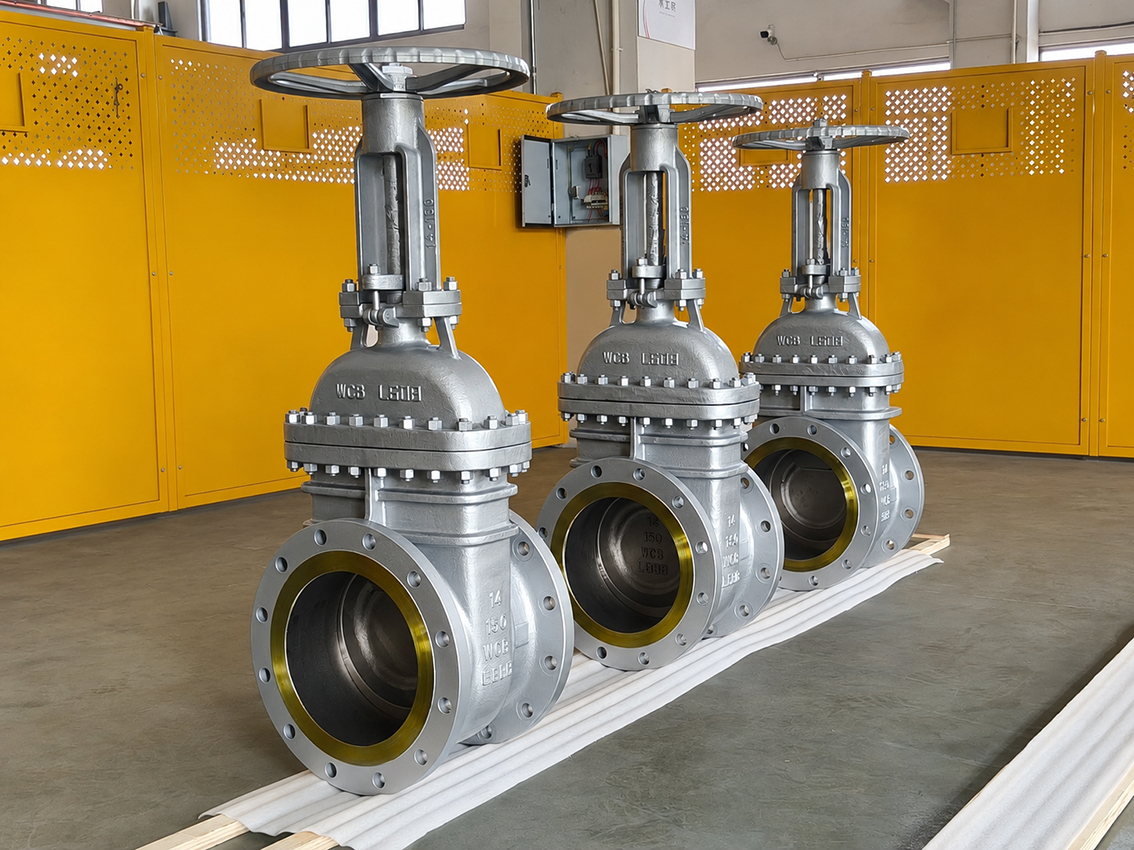
Beyond the wedge and knife configurations, XINTAI's gate valve line also incorporates a bellow seal design as a differentiated sealing option. The bellow seal functions as a secondary metallic barrier, eliminating stem packing leakage. This is particularly relevant for hazardous chemical pipelines, where emissions control is a defined priority. The differentiated value of this design is described specifically in relation to hazardous chemical pipeline applications, where a bellow-sealed configuration prevents fluid leakage to the environment. For buyers evaluating wedge or knife gate valves for use in chemical processing environments, the availability of a bellow seal option provides an additional layer of protection against fugitive emissions, which aligns with the broader industry requirement for fugitive emission control noted across the valve sector.
Industry Applications for Wedge and Knife Gate Valves
The gate valve product line, encompassing wedge, knife, and bellow-sealed variants, is adapted for wastewater treatment, chemical processing, and pulp and paper industries. These three sectors represent environments where either standard isolation performance or solids-handling capability is essential:
- Wastewater treatment operations often require reliable isolation valves capable of managing variable solids content.
- Chemical processing lines benefit from bellow-sealed gate valves that limit fugitive emissions in hazardous media handling.
- Pulp and paper facilities depend on knife gate valves specifically because the sharp gate edge is capable of cutting through pulp and other solid-laden process streams.
The delivery model for these valves is hardware supply, meaning the physical valve products are delivered directly for installation within customer pipeline systems.
Manufacturing Standards and Quality Assurance
XINTAI Valve Group's broader manufacturing platform underpins the quality consistency of its wedge and knife gate valve offerings. The company operates an integrated supply chain built on internal ownership of casting foundries and machining bases, enabling full-process quality control from raw casting through final machining. This integration supports optimized costs and reliable supply stability, both of which matter to buyers sourcing gate valves for large-scale or multi-phase pipeline projects.
On the manufacturing floor, XINTAI employs advanced automation featuring 13 six-axis robots, which the company reports has improved production efficiency by 40 percent while supporting consistent quality and reduced manufacturing variations. This level of automation is relevant to gate valve production specifically, where dimensional precision in the gate, seat, and bonnet components directly affects sealing performance.
XINTAI's valve products, including its gate valve line, are supported by a range of certifications: ISO 9001, ISO 14001, and ISO 45001 management system certifications, CE Certification, the EU Declaration of Conformity, PED, and a set of API certifications including API 600, API 602, API 6D, API 607, and API 6FA. Additional certifications include ISO 10497, ISO 15848-1, API 624, SIL, EAC, PAT, and TAT certifications. The company also holds Petronas Certified Supplier and Petrobras Certified Supplier designations, reflecting its qualification history with these certified customer relationships.
Global Manufacturing Capability Behind XINTAI Valve Group
XINTAI operates 6 production bases across Wenzhou, Tianjin, and Lishui, with a total facility area of 58,800 square meters. The company employs 580 people, including 33 engineers, 41 testers, and 25 quality managers, supporting an annual production capacity of 270,000 valves. Operational pressure capability across the company's valve range extends up to Class 2500. Platform compatibility spans API 6D, API 602, API 600, DIN, JIS, and GOST standards, with support for manual, pneumatic, and electric actuator configurations, allowing wedge and knife gate valves to be specified according to project-specific standards.
XINTAI's global business coverage extends across North America, South America, Europe, Central Asia, the Middle East, and Southeast Asia. Approximately 20 percent of the company's products are exported to Europe and the USA, while 80 percent are distributed to other global regions. The company has supplied valve solutions to Petronas within competitive Southeast Asian regional markets and has partnered with Petrobras on high-specification valve deployment for South American petrochemical projects.
Choosing the Right Gate Valve for Your Project
When evaluating wedge versus knife gate valves, the decision should be guided primarily by the nature of the media in the pipeline. Standard fluid isolation duty points toward a wedge gate design, while lines carrying slurries, pulp, or solid contaminants call for a knife gate configuration. Where fugitive emission prevention is a priority, particularly in hazardous chemical pipelines, a bellow-sealed gate valve variant should be considered alongside either gate type.
Conclusion
XINTAI Valve Group Co., Ltd. offers wedge, knife, and bellow-sealed gate valve configurations as part of an integrated manufacturing platform that combines in-house casting, robotic machining precision, and a documented certification portfolio spanning API, ISO, CE, and SIL standards. For engineering firms, valve trading companies, distributors, and end-user facilities in oil and gas, chemical processing, wastewater treatment, and pulp and paper industries, XINTAI Valve provides gate valve options engineered to match specific media and pressure requirements across a global supply network.
www.xintaivalves.com
Xintai Valve Group Co., Ltd.