
 0
0
 0
0
In recent years, drones, also known as Unmanned Aerial Vehicles (UAVs), have become increasingly popular across a wide range of industries, including photography, agriculture, surveillance, and search and rescue operations. One critical component that enables drones to deliver real-time video footage is the UAV video transmitter. Whether you are a hobbyist flying your first FPV (First-Person View) drone or a professional drone operator, understanding UAV video transmitters is essential for maximizing performance and ensuring reliable communication between your drone and ground station. This guide will provide a comprehensive overview of UAV video transmitters, their types, components, applications, and best practices for beginners.
What is a UAV Video Transmitter?
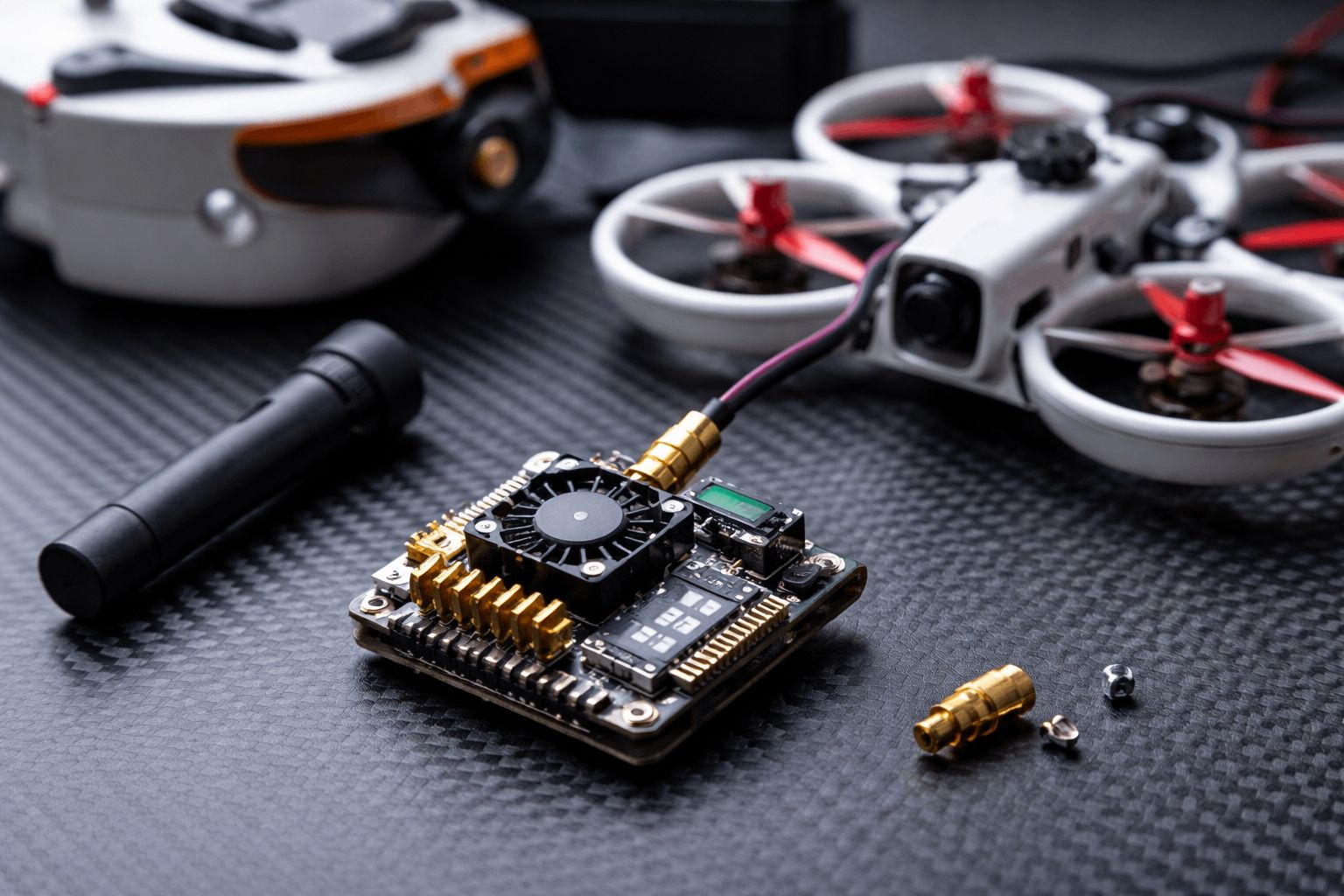
A UAV video transmitter (VTX) is an electronic device that sends live video signals from the drone's onboard camera to a receiver on the ground. This allows drone pilots to view real-time footage on a monitor or FPV goggles, providing precise control and situational awareness during flight. Unlike traditional cameras, which store recorded footage, a video transmitter focuses on delivering low-latency live video signals, making it an indispensable tool for FPV racing, aerial cinematography, and professional drone operations.
The performance of a UAV video transmitter is determined by several factors, including transmission frequency, power output, antenna type, and signal modulation. Selecting the right transmitter can significantly affect the quality, reliability, and range of your drone's video feed.
Key Components of a UAV Video Transmitter
To understand how UAV video transmitters work, it’s essential to be familiar with their primary components:
-
Transmitter Module
The transmitter module is the core of the VTX system. It converts the video signal from the drone's camera into a radio frequency (RF) signal suitable for wireless transmission. Higher-quality modules provide more stable signals, reduced latency, and resistance to interference. -
Antenna
The antenna is responsible for sending the RF signals from the transmitter to the receiver. The type of antenna used can significantly influence the transmission range and signal stability. Common types include omnidirectional antennas, which provide 360-degree coverage, and directional antennas, which focus signals in a specific direction for longer distances. -
Power Supply
UAV video transmitters require a stable power source, typically drawn from the drone’s main battery. Proper voltage regulation is crucial to prevent overheating and ensure consistent performance. -
Cooling Mechanism
High-power transmitters can generate significant heat during operation. Some VTX models include heat sinks or fans to maintain safe operating temperatures and avoid signal degradation.
Types of UAV Video Transmitters
UAV video transmitters can be categorized based on transmission technology, frequency, and power output:
1. Analog vs. Digital Transmitters
-
Analog VTX:
Analog transmitters have been widely used in FPV drones due to their low cost and low latency. They transmit continuous RF signals that can be received by standard analog receivers. However, analog signals are prone to interference, and video quality can degrade over long distances. -
Digital VTX:
Digital transmitters, such as DJI’s digital FPV system, offer higher resolution video with reduced noise and interference. Digital systems often provide superior image quality, but they are generally more expensive and may introduce slightly higher latency compared to analog systems.
2. Frequency Bands
UAV video transmitters operate on specific frequency bands regulated by local authorities. Common bands include:
-
2.4 GHz: Suitable for short-range transmission and typically used for controlling the drone alongside video transmission.
-
5.8 GHz: Popular for FPV drones due to its high video quality and lower interference from Wi-Fi networks.
-
1.3 GHz and 900 MHz: Used for long-range transmission, offering better penetration through obstacles but lower bandwidth, which may reduce video resolution.
3. Power Output
Transmitter power is measured in milliwatts (mW) or watts (W). Higher power output can extend transmission range but may also increase interference with other devices and produce more heat. Typical power levels include 25 mW, 200 mW, 600 mW, and up to 1 W for professional applications.
Applications of UAV Video Transmitters
UAV video transmitters have a wide range of applications across multiple industries:
-
FPV Racing and Freestyle Flying
In FPV racing, pilots rely on real-time video feeds to navigate high-speed courses. Low-latency, high-quality transmitters are crucial for competitive performance. -
Aerial Photography and Cinematography
Professional drone operators use VTX systems to monitor framing and camera angles in real time. High-definition video transmitters help capture cinematic footage without delays. -
Search and Rescue
UAVs equipped with thermal cameras and high-power transmitters can provide live video to ground teams, assisting in locating missing persons or assessing disaster zones. -
Agricultural Monitoring
Farmers use drones with UAV video transmitters to survey crops, monitor irrigation, and detect plant diseases in real time, improving efficiency and crop yield. -
Industrial Inspections
UAVs with video transmitters enable safe inspections of power lines, pipelines, wind turbines, and other structures by transmitting live video feeds from hard-to-reach areas.
Factors to Consider When Choosing a UAV Video Transmitter
For beginners, selecting the right UAV video transmitter can be challenging. Consider the following factors:
-
Range Requirements
Determine the distance you need the video signal to travel. Short-range drones may only require 25–200 mW transmitters, while long-range operations need 500 mW–1 W or more. -
Video Quality and Resolution
High-definition transmitters provide clear images, which are essential for professional applications. Analog VTXs usually offer 480p–720p resolution, while digital systems can support 1080p or higher. -
Latency
Low latency is critical for FPV racing and precision flying. Analog systems typically offer 20–40 ms latency, while digital systems may have 40–80 ms, depending on the setup. -
Antenna Type
Consider whether an omnidirectional or directional antenna is more suitable for your drone application. Omnidirectional antennas are easier for maneuverable drones, while directional antennas are better for long-distance straight-line flights. -
Power Supply and Heat Management
Ensure your drone can provide stable power to the VTX and consider models with built-in cooling mechanisms to prevent overheating.
Best Practices for UAV Video Transmitter Usage
-
Proper Installation
Mount the transmitter securely, avoiding obstruction of the antenna. Keep it away from other electronics that may cause interference. -
Frequency Management
Ensure your VTX frequency does not conflict with other drones or Wi-Fi devices in the vicinity. Some transmitters allow adjustable channels to minimize interference. -
Check Local Regulations
Different countries have regulations on transmission frequency and power. Always comply with local laws to avoid penalties or equipment damage. -
Regular Maintenance
Inspect cables, connectors, and antennas regularly. Replace damaged components promptly to maintain video quality. -
Testing Before Flight
Always test your video feed before flying, especially for long-range or professional missions, to prevent signal loss during critical operations.
Conclusion
Understanding UAV video transmitters is essential for anyone interested in drone operations, whether for hobbyist FPV flying, professional aerial photography, or industrial applications. By knowing the different types of transmitters, key components, frequency bands, power output, and practical usage tips, beginners can make informed decisions to enhance the performance, reliability, and safety of their UAVs.
Investing time in learning about UAV video transmitters and selecting the right equipment will not only improve your drone flying experience but also expand the potential applications of your UAVs. As technology continues to advance, video transmitters will become more compact, efficient, and capable, opening up new possibilities for drone enthusiasts and professionals alike.
PEGATRON Electronics, as a professional UAV video transmitter manufacturer, is dedicated to providing high-performance, low-latency video transmission solutions for FPV drones, aerial photography, and industrial drones. With advanced technology and strict quality control, the company's VTX devices support multiple frequency bands and high-resolution video transmission, meeting the diverse needs of users for signal stability, transmission distance, and anti-interference capabilities, providing reliable real-time video support for drone operations.
www.pega-fly.com
PEGATRON Electronics Co., Ltd.