

 0
0
 0
0
Steam plays an essential role in many industrial processes, from equipment sterilization and food processing to textile finishing and manufacturing. However, businesses may face several challenges when generating steam, including high energy consumption, frequent manual adjustments, unstable pressure, and unexpected maintenance costs.
A Fully Automatic Electric Steam Generator can help address these issues by combining electric heating with automated operating controls. For manufacturers looking to improve production reliability and simplify steam management, this type of equipment offers a practical alternative to conventional fuel-fired systems.
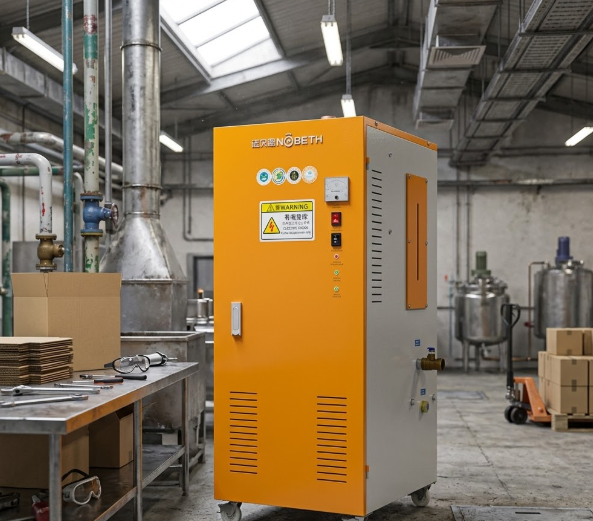
Nobeth Group provides electric steam generation equipment for different industrial applications. Its 3 kW–72 kW Fully Automatic Electric Steam Generator is worth considering for facilities that need a compact steam supply with automated operation.
1. Reducing Manual Work Through Automatic Control
Traditional steam equipment may require operators to monitor water levels, pressure, and operating conditions regularly. When steam demand changes throughout the day, manual adjustments can make it harder to maintain consistent performance.
A fully automatic electric steam generator uses control systems to manage key operating functions, depending on the model and configuration. Automatic water supply, pressure monitoring, and protective controls can reduce routine operator intervention and help maintain a more stable steam supply.
For example, a food processing facility may require different amounts of steam during heating, cleaning, and sterilization. An appropriately selected automatic steam generator can respond to changing demand within its designed operating range.
Automation does not eliminate the need for inspection or maintenance. Instead, it helps simplify routine operation and allows staff to focus on production and equipment management.
2. Improving Energy Utilization and Controlling Operating Costs
Energy consumption is a major concern for businesses operating steam equipment for extended periods. Poor operating practices, unsuitable equipment sizing, and heat losses throughout the steam distribution system can all increase costs.
An automatic electric steam generator converts electrical energy into heat without on-site fuel combustion. This removes combustion-related exhaust losses and may simplify the installation process because a fuel burner and combustion chimney are not required.
However, actual energy savings depend on electricity prices, operating schedules, steam demand, and the efficiency of the complete system. Buyers should evaluate real operating conditions rather than relying solely on advertised efficiency figures.
To improve overall performance, manufacturers should select the correct steam output, insulate steam pipes where appropriate, maintain suitable water quality, and avoid generating substantially more steam than the process requires.
Nobeth Group's electric steam generator range offers an option for businesses evaluating electrically powered steam generation for their facilities.
3. Managing Scale and Reducing Maintenance Problems
Mineral deposits can accumulate on heating surfaces when feedwater contains excessive dissolved minerals. Over time, scale can interfere with heat transfer, increase component temperatures, and contribute to maintenance problems.
For this reason, water quality is an important consideration when selecting an industrial electric steam generator.
Businesses should check the manufacturer's feedwater requirements and determine whether water softening or other treatment is necessary. Regular inspection and appropriate cleaning procedures can also help maintain equipment performance.
Automatic operation can simplify some routine processes, but it should not be assumed that every generator includes automatic descaling or an integrated water-softening system. Buyers should confirm these functions for the specific model before purchasing.
4. Safety Features for Reliable Industrial Operation
Steam generation involves electricity, hot water, and pressure, so safety must remain a priority during equipment selection and daily operation.
A suitable fully automatic electric steam generator may incorporate water-level monitoring, overpressure protection, pressure controls, and electrical safety devices. These features help the system respond to abnormal operating conditions and reduce the risk of equipment damage.
Before installation, businesses should verify the safety features included with the selected model and ensure that the equipment meets applicable local requirements. Correct electrical installation, routine inspection, and operation by trained personnel remain essential.
For manufacturers, a well-designed safety system supports more reliable production and helps reduce avoidable interruptions.
5. Applications Across Different Industries
The compact design and electric heating method of a 3 kW–72 kW fully automatic electric steam generator can make this equipment suitable for applications with relatively modest steam requirements, subject to the selected model's capacity.
Common applications include:
-
Food processing: Steam heating, equipment cleaning, and other processes requiring a controlled steam supply.
-
Pharmaceutical manufacturing: Steam for suitable production and cleaning applications, subject to the required steam quality and validation standards.
-
Textile and garment production: Steam ironing, fabric finishing, and related heating processes.
-
Laboratories and workshops: Steam supply for equipment or processes that require a compact generation system.
Electric equipment avoids on-site combustion, but it does not automatically produce clean or pure steam. Applications with strict hygiene or pharmaceutical requirements must verify steam quality and assess the complete system against applicable standards.
6. Choosing the Right Solution from Nobeth Group
Selecting a steam generator involves more than comparing power ratings. Businesses should consider the required steam output, working pressure, electricity supply, water quality, operating hours, and available installation space.
Nobeth Group's Fully Automatic Electric Steam Generator provides a starting point for buyers researching automatic electric steam generation equipment.
Before requesting a quotation, prepare your operating requirements and ask the supplier to confirm the model's rated steam output, pressure range, control functions, safety devices, and maintenance requirements. This makes it easier to determine whether the equipment matches your actual production needs.
Conclusion
A fully automatic electric steam generator can help industrial businesses simplify steam management, reduce routine manual adjustments, and avoid on-site fuel combustion. However, reliable performance depends on selecting suitable equipment, maintaining water quality, and managing the entire steam distribution system.
For companies seeking compact electric steam generation equipment, Nobeth Group offers models to evaluate against specific industrial requirements. A careful comparison of specifications and operating conditions can help businesses choose a practical solution for consistent steam supply.
www.nobethsteam.com
Nobeth Group


