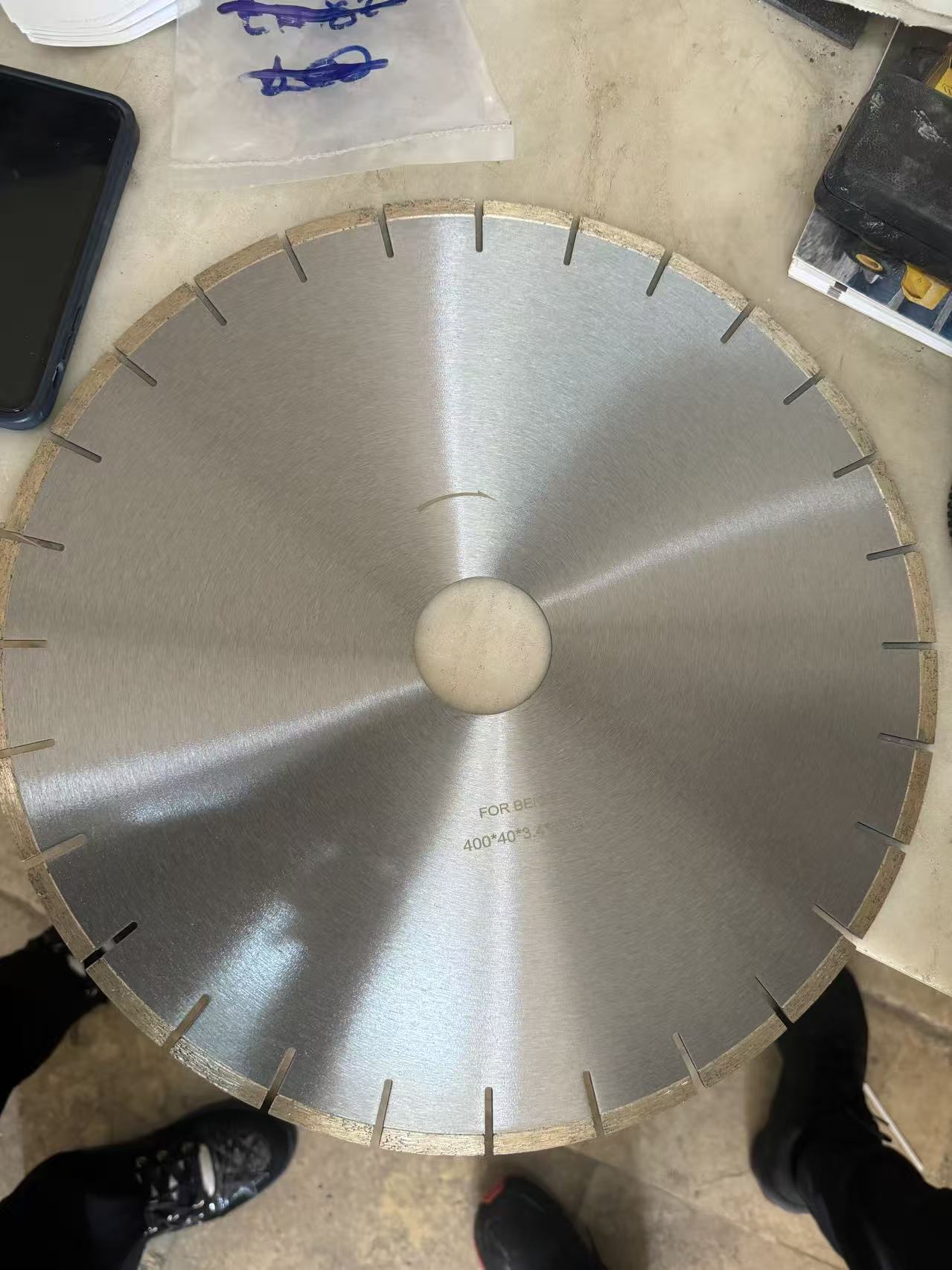
Diamond Saw Blades for Travertine and Marble Cutting in Turkey

867aa8a2d2c47b20ed355d130df1b9b7
0 0
Read Time:7 Minute, 27 Second

Turkey is an important natural stone production and processing market, with travertine and marble widely used for slabs, tiles, flooring, wall cladding, countertops, and architectural projects.

Among these materials, Silver Travertine and Muğla Marble represent two different cutting applications. Their structure, hardness, porosity, and abrasiveness can influence diamond saw blade sharpness, edge quality, cutting speed, and segment wear.

For Turkish stone factories, fabricators, and diamond tool distributors, selecting a suitable saw blade therefore involves more than choosing the correct diameter. The diamond segment formula, blade construction, machine conditions, cutting parameters, and required finish should all be considered together.

867aa8a2d2c47b20ed355d130df1b9b7

Why Travertine and Marble Need Different Cutting Solutions

Travertine and marble are generally softer than granite, but they can still present specific cutting challenges.

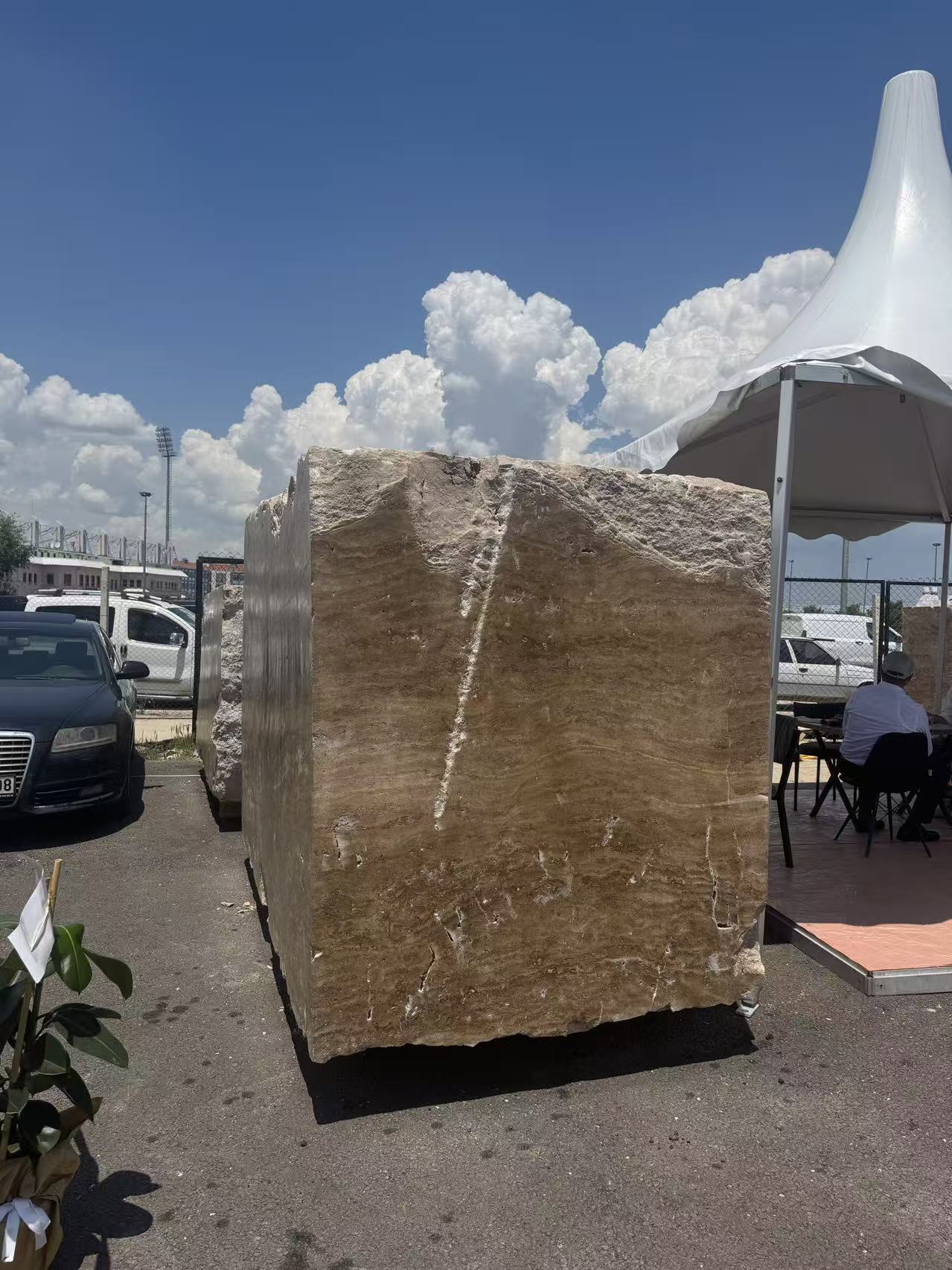
Travertine often contains natural pores, cavities, and structural variations. During cutting, these characteristics may contribute to edge breakage or unstable cutting if the blade is not sufficiently sharp or the machine parameters are unsuitable.

Marble can contain veins, brittle areas, or variations in mineral structure. These characteristics can also affect edge quality and cutting resistance.

For this reason, the same diamond segment formula may not deliver identical performance on different Turkish travertine and marble varieties.

Dacb825e281bc64f0aed905b9e1856f7

Diamond Saw Blades for Silver Travertine

Silver Travertine is known for its distinctive gray and silver appearance and is processed for a range of architectural and decorative applications.

When cutting Silver Travertine, stone processors commonly pay attention to:

  • Cutting sharpness
  • Edge quality
  • Cutting stability
  • Segment wear
  • Feed speed
  • Blade vibration
  • Cooling water
  • Finished slab quality

A sufficiently sharp segment can help reduce cutting resistance, while the bond should still provide reasonable wear resistance.

If the bond is too hard for the actual cutting conditions, worn diamond particles may remain in the segment too long, reducing cutting efficiency.

If the bond is too soft, segment consumption may increase unnecessarily.

The goal is therefore to find an appropriate balance between sharpness, stability, and service life.

Diamond Saw Blades for Muğla Marble

Muğla is one of Turkey's well-known marble-producing regions, and Muğla Marble is processed for slabs, tiles, and other finished stone products.

For this type of marble, cutting performance should be evaluated according to both productivity and finish quality.

Important factors include:

  • Marble characteristics
  • Blade diameter
  • Segment dimensions
  • Machine power
  • Spindle speed
  • Feed speed
  • Cutting depth
  • Cooling conditions
  • Required edge finish

A blade that cuts quickly but causes excessive edge damage may increase downstream grinding, polishing, or rework.

For this reason, stone factories should evaluate the complete processing result rather than cutting speed alone.

Cb79aa79900f0811cb565b3b43fda39f

How Diamond Segment Formula Affects Cutting

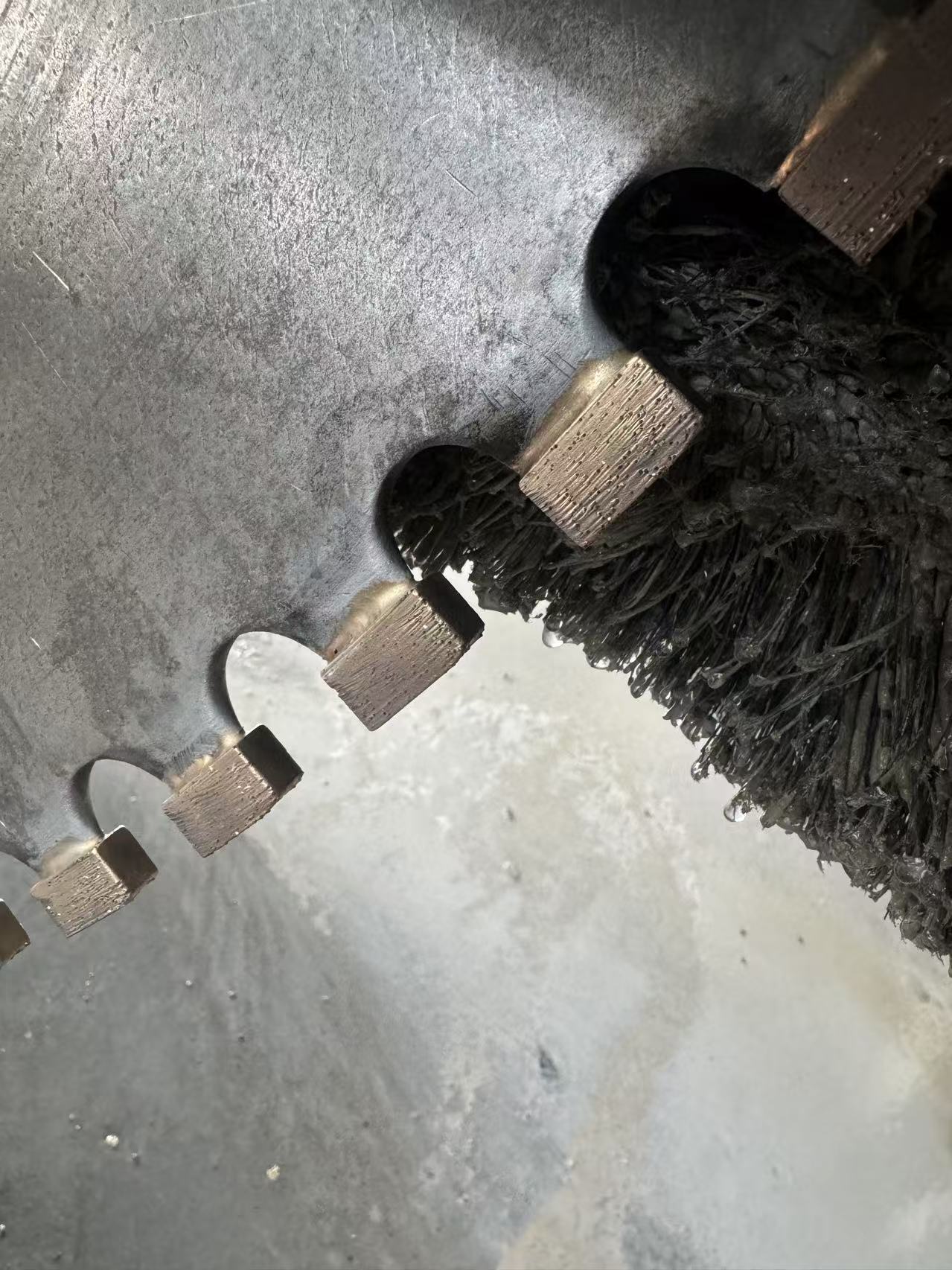
The diamond segment is the main cutting component of the saw blade.

Its metal bond controls how worn diamond particles are released and how fresh cutting edges are exposed during operation.

The formula should be matched to the material and cutting conditions.

If the bond does not wear at a suitable rate, processors may experience problems such as:

  • Slow cutting
  • Increased machine load
  • Reduced segment sharpness
  • Excessive segment wear
  • Blade vibration
  • Unstable edge quality

Different travertine and marble materials may therefore require adjustments in bond characteristics, diamond concentration, or segment design.

There is rarely one universal formula that performs equally well on every stone and every machine.

Match the Saw Blade to the Machine

Even a suitable diamond segment formula can perform poorly if the blade specification does not match the machine.

Turkish stone processors should consider:

  • Blade diameter
  • Bore or arbor size
  • Machine type
  • Machine power
  • Spindle speed
  • Feed speed
  • Cutting depth
  • Blade flange condition
  • Machine stability

For example, excessive feed speed can increase cutting resistance and contribute to vibration or edge damage.

Similarly, excessive blade runout or an unstable spindle can affect cutting quality even when the segment formula itself is suitable.

When a cutting problem occurs, both the saw blade and the machine should be evaluated.

Cutting Speed Should Not Be Considered Alone

Cutting speed is an important production factor, but higher speed is not always better.

The appropriate feed rate depends on the stone, segment sharpness, machine power, blade diameter, and cutting depth.

If the blade is pushed faster than the cutting system can support, cutting resistance may rise and lead to:

  • Blade deflection
  • Vibration
  • Edge chipping
  • Increased machine load
  • Uneven segment wear

The best operating conditions usually come from balancing productivity with cutting stability and tool life.

Edge Quality Is Especially Important for Finished Marble and Travertine

Travertine and marble are often processed into high-value finished products, which makes edge quality important.

Problems such as chipping, rough edges, or micro-fractures can increase secondary processing requirements.

Edge quality can be affected by:

  • Segment sharpness
  • Segment design
  • Blade runout
  • Feed speed
  • Machine stability
  • Cooling
  • Natural stone structure

Stone factories should therefore avoid diagnosing poor edge quality based on the blade alone.

A systematic review of the entire cutting process is more effective.

Cooling Water and Cutting Stability

Proper cooling helps control cutting temperature and remove slurry from the cutting area.

Insufficient or uneven water flow may increase heat and cutting resistance.

Factories should make sure that:

  • Water reaches the cutting area consistently
  • Nozzles are correctly positioned
  • Water lines are not blocked
  • Stone slurry is removed effectively

Cooling conditions should be checked whenever cutting stability or segment wear changes unexpectedly.

Silent and Conventional Saw Blades

Both silent and conventional steel-core diamond saw blades can be used for travertine and marble cutting.

Silent blades may be preferred in factories where lower cutting noise is important.

Conventional steel-core blades remain widely used for standard production applications.

The decision should consider:

  • Machine conditions
  • Blade diameter
  • Production environment
  • Noise requirements
  • Cutting stability
  • Budget

Silent construction alone does not determine cutting quality. Segment formula, steel-core stability, blade runout, and machine settings remain important.

What Information Should Turkish Buyers Provide?

When requesting a diamond saw blade for Silver Travertine, Muğla Marble, or other Turkish stones, buyers should ideally provide:

  • Stone name
  • Stone origin
  • Photos of the material
  • Blade diameter
  • Bore size
  • Segment size
  • Machine type
  • Machine power
  • Spindle speed
  • Feed speed
  • Cutting depth
  • Current blade lifespan
  • Current cutting speed
  • Existing cutting problem
  • Required edge quality

This information helps the manufacturer evaluate the complete application instead of recommending a generic saw blade.

E11ec06cdb330b94082ecf28edc4b48c

How XRT Diamond Tools Supports Travertine and Marble Cutting

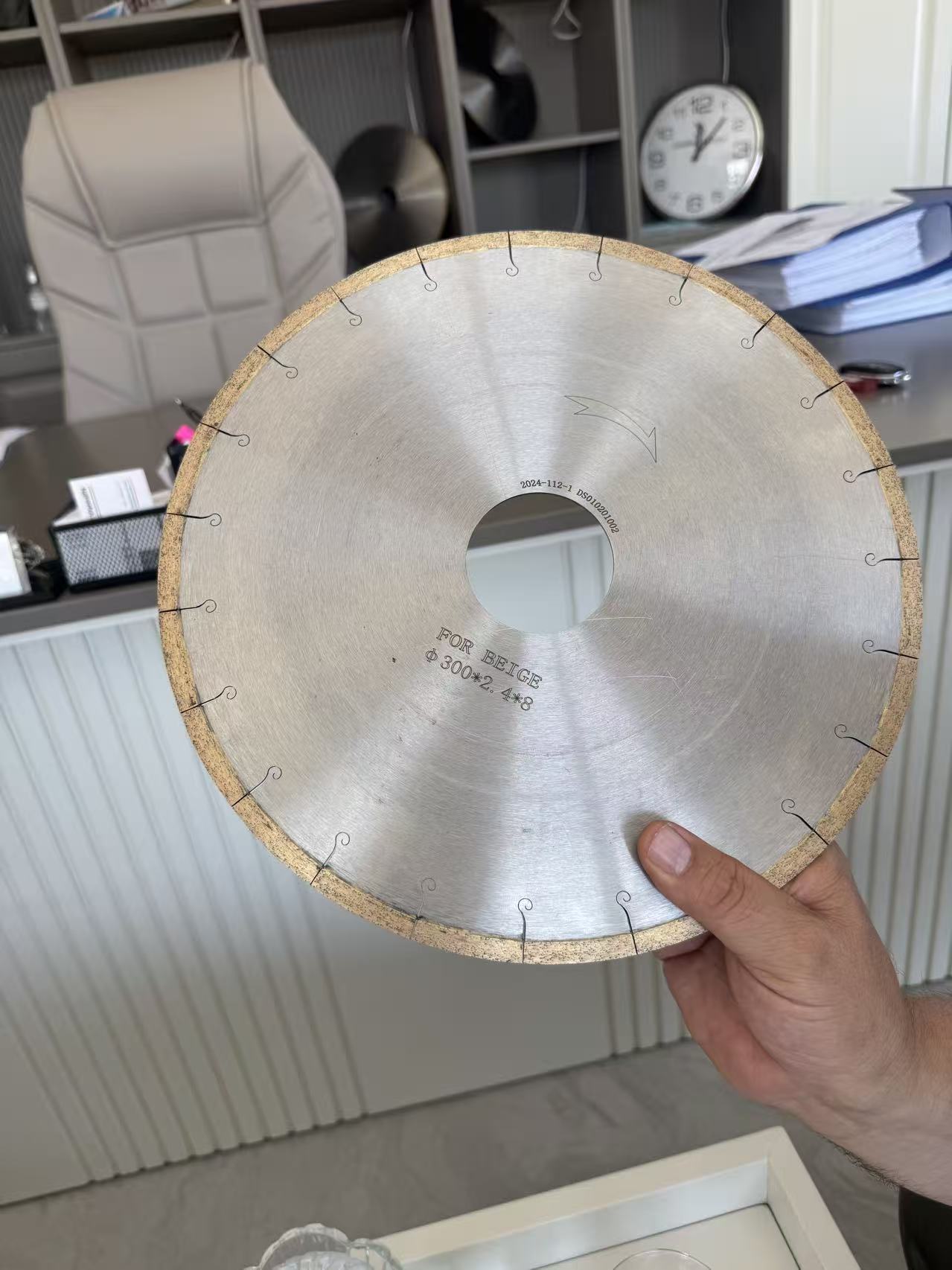
XRT Diamond Tools manufactures diamond saw blades and diamond segments for natural stone processing.

For applications such as Silver Travertine and Muğla Marble cutting in Turkey, blade specifications and segment formulas can be selected or adjusted according to the stone characteristics, machine conditions, blade diameter, cutting depth, cutting speed, and required finish.

Instead of applying one standard formula to every material, actual cutting feedback can be used to evaluate the balance between:

  • Cutting sharpness
  • Cutting speed
  • Edge quality
  • Blade stability
  • Segment lifespan

XRT Diamond Tools also supports customized blade specifications and OEM/ODM requirements for stone factories, distributors, and professional diamond tool buyers.

For customers processing different Turkish stone varieties, field-cutting feedback can be useful for further optimizing the blade or segment formula.

Frequently Asked Questions

Can the Same Diamond Saw Blade Cut Both Travertine and Marble?

Sometimes one blade can perform acceptably on several similar materials, but performance may vary.

Different hardness, porosity, abrasiveness, and stone structure can require adjustments to the segment formula or cutting parameters.

Why Does Silver Travertine Chip During Cutting?

Possible causes include excessive feed speed, insufficient segment sharpness, blade vibration, excessive runout, machine instability, or the natural cavities and structural variations in the travertine.

Why Does a Marble Saw Blade Cut Slowly?

Slow cutting may be related to insufficient segment sharpness, an unsuitable bond formula, incorrect cutting parameters, machine limitations, excessive cutting depth, or poor cooling.

Does Muğla Marble Need a Special Diamond Segment Formula?

The appropriate formula should be selected according to the actual Muğla Marble being processed, the machine, blade diameter, cutting parameters, and required edge quality.

Different production conditions may require different formula characteristics.

Is a Silent Blade Better for Travertine and Marble?

Not necessarily.

Silent blades can help reduce cutting noise, but cutting performance still depends on segment formula, blade-core stability, machine condition, feed speed, and other parameters.

Can Diamond Saw Blades Be Customized for Turkish Stone Factories?

Yes. Depending on the application, blade diameter, bore size, segment dimensions, blade configuration, and segment formula can be adjusted according to the stone and machine requirements.

Conclusion

Selecting diamond saw blades for travertine and marble cutting in Turkey requires an application-specific approach.

For materials such as Silver Travertine and Muğla Marble, stone characteristics, segment formula, blade specification, machine conditions, feed speed, cooling, and required edge quality all influence cutting performance.

Rather than focusing only on blade price or maximum cutting speed, stone factories should evaluate sharpness, stability, edge quality, segment lifespan, and overall processing efficiency together.

Using actual cutting data and field feedback to refine the saw blade specification can help achieve more consistent results across different Turkish travertine and marble applications.

1547d1cbe0644e0bb42f9e3aa57acf79


www.xrtdiamondtools.com
XRT DIAMOND TOOLS

Happy
Happy
0 %
Sad
Sad
0 %
Excited
Excited
0 %
Sleepy
Sleepy
0 %
Angry
Angry
0 %
Surprise
Surprise
0 %
21cb8aeafea93e790a20bb62f605ab5b
Previous post The Complete Guide to Choosing the Perfect Bath Towel: What Makes a Great Bath Towel and How to Find One
5eb86b92075f8972c78d12eb908b239d
Next post 2026 Family Room Guide: Top 5 Picks in Shenzhen Guangming

Average Rating

5 Star
0%
4 Star
0%
3 Star
0%
2 Star
0%
1 Star
0%

Leave a Reply

Your email address will not be published. Required fields are marked *