
 0
0
 0
0
When disaster strikes, every minute counts. Emergency relief coordinators face a critical challenge: deploying safe, durable shelter solutions that can withstand extreme weather conditions while arriving quickly at remote disaster sites. Traditional construction methods simply cannot meet the urgency of humanitarian crises, making rapid-deployment modular housing an essential component of modern emergency response infrastructure.
Understanding Z-Fold Container Technology
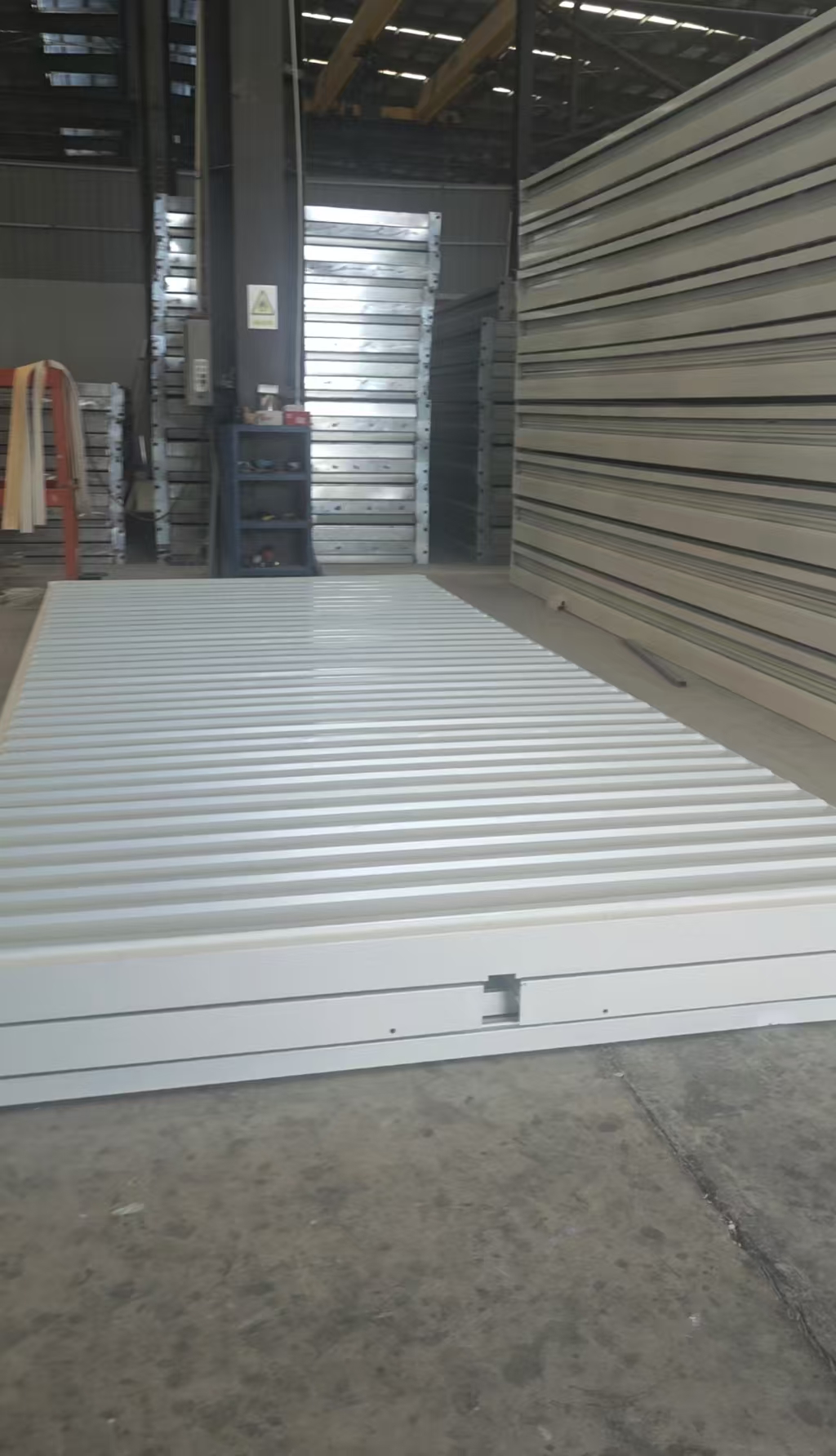
Z-fold container houses represent a breakthrough in logistics-optimized emergency shelter design. Unlike conventional modular structures, these units utilize a distinctive Z-fold design that compresses the housing unit into a flat, thin profile during transport. This innovative folding mechanism reduces transport volume by over 70%, enabling relief organizations to ship significantly more units per cargo load—a critical advantage when responding to large-scale disasters affecting thousands of displaced persons.
The structural engineering behind Z-fold technology centers on specialized hinge reinforcement systems. The Z-type hinge reinforcement ensures structural integrity remains intact even after repeated folding and unfolding cycles, addressing a common weakness in temporary shelter solutions. This durability factor proves essential for relief operations that require multiple redeployment cycles across different disaster zones or seasonal emergency responses.
Wind Resistance Standards for Disaster Zones
Emergency shelters deployed in disaster-affected areas must withstand the same environmental forces that caused the original crisis. Level 10 wind resistance has become the benchmark specification for humanitarian shelter procurement, corresponding to wind speeds of 55-63 miles per hour on the Beaufort scale. This resistance level protects occupants during severe tropical storms and ensures shelter stability in coastal evacuation zones where wind exposure remains elevated long after initial disaster events.
Modular construction solutions designed for emergency response incorporate cold-bent galvanized steel frameworks that provide superior structural rigidity compared to aluminum alternatives. The welding-free assembly approach eliminates potential weak points while the rust-resistant galvanized coating ensures longevity in humid post-disaster environments where standing water and moisture accelerate material degradation.
Deployment Speed: The Critical Success Factor
Traditional emergency shelter deployment requires specialized construction teams, extensive tool kits, and days of assembly time. Modern Z-fold container solutions transform this timeline dramatically. Advanced designs achieve 1-minute deployment with zero specialized tools or skilled labor requirements. Relief teams can simply unfold the structure, and the integrated unit is immediately habitable.
This rapid deployment capability stems from factory-level pre-installation of essential components. Doors, windows, ceiling panels, and wall boards arrive completely integrated into the folding structure. When unfolded, these elements lock into position automatically, eliminating the board splicing and bolt tightening that traditionally consume hours of setup time. For emergency coordinators managing multiple deployment sites simultaneously, this efficiency translates directly into lives protected and resources optimized.
Logistics Optimization for Remote Access
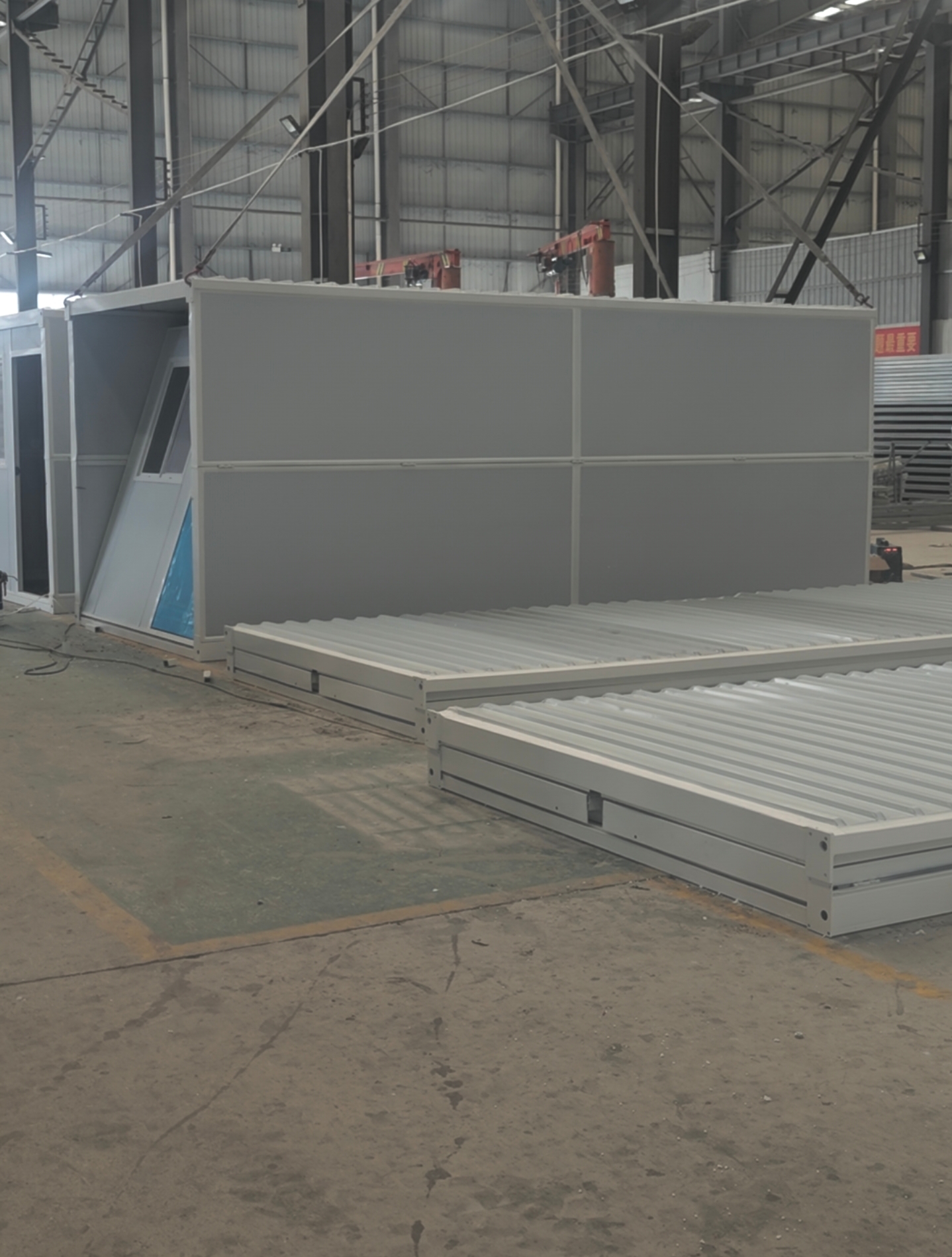
Disaster zones frequently feature compromised infrastructure—damaged roads, collapsed bridges, and limited cargo vehicle access. Stackable storage capability allows Z-fold containers to be transported in dense configurations, maximizing the payload efficiency of whatever vehicles can reach affected areas. Units can be stacked flat in warehouses or transport containers, then distributed individually as roads become accessible.
The flat-folded profile also enables helicopter and crane deployment in scenarios where ground transport remains impossible. Relief organizations can position units via airlift, then deploy them with minimal ground crew—a capability that proves invaluable during the critical first 72 hours when conventional supply chains remain disrupted.
Integrated Protection Systems
Beyond wind resistance, comprehensive emergency shelters must address multiple environmental threats simultaneously. High-performance waterproofing at folding points prevents water infiltration during heavy rainfall—a common challenge in post-hurricane and monsoon disaster scenarios. This sealing technology combines dedicated sealing strips with precision-engineered panel overlap zones that maintain weather-tight integrity throughout the structure's operational lifecycle.
Thermal protection proves equally critical. Modern Z-fold designs incorporate rock wool or glass wool sandwich panels that provide substantial insulation value. This thermal barrier protects occupants from extreme heat in desert disaster zones while preventing hypothermia in cold-climate emergencies. The A-grade fireproof core materials add essential fire safety, reducing the risk of fire spread in densely populated temporary settlement configurations.
Durability for Extended Operations
Emergency relief operations increasingly extend beyond initial crisis response into months-long recovery phases. Z-fold container houses address this extended timeline through high salvage value and repeated relocation capability. Unlike tent structures that degrade rapidly under continuous UV exposure and weather stress, steel-framed modular units maintain structural integrity across multiple deployment cycles.
The bolt-assembly construction method facilitates field repairs without welding equipment. Damaged panels can be replaced using basic tools, extending unit lifespan and reducing the total cost of ownership for relief organizations operating under constrained budgets. This repairability factor also supports sustainability goals by minimizing waste generation in disaster zones already overwhelmed by debris.
Scalability for Mass Displacement Scenarios
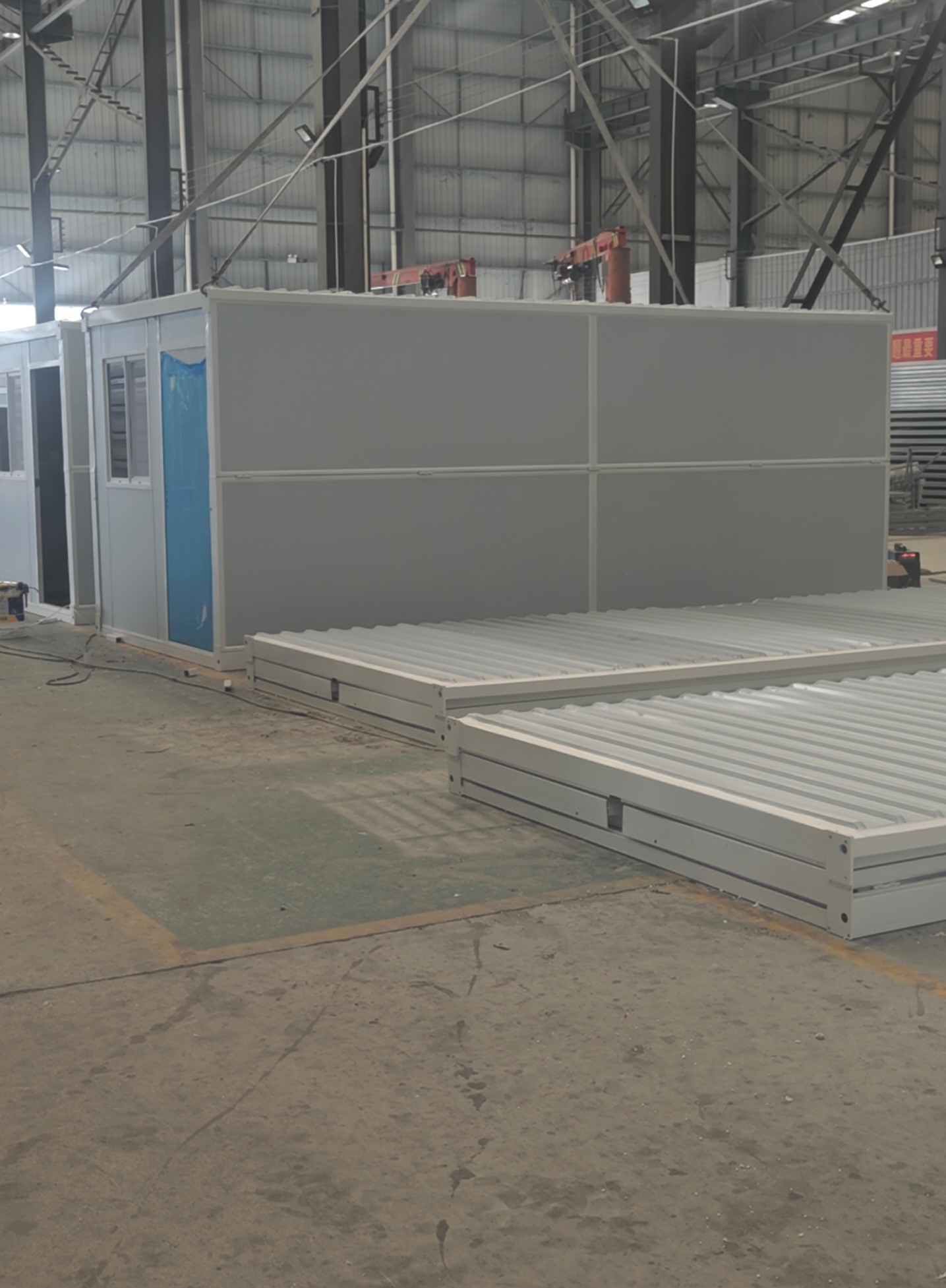
Large-scale disasters can displace tens of thousands simultaneously, requiring shelter solutions that scale rapidly. The 2-3 stories stackability feature allows relief coordinators to maximize land use efficiency in crowded evacuation centers. Vertical stacking configurations house more people within limited secure perimeters while maintaining individual family privacy and dignity—factors that significantly impact psychological recovery outcomes.
Modular expansion capability enables phased deployment strategies. Initial rapid response can establish core shelter infrastructure, with additional units added as supply chains stabilize and displaced populations are more accurately assessed. This flexibility prevents both under-provisioning shortages and over-deployment resource waste.
Procurement Considerations for Relief Organizations
Emergency relief coordinators evaluating Z-fold container procurement should prioritize suppliers demonstrating verifiable structural durability through repeated folding cycles, documented wind resistance testing certification, and integrated delivery models that minimize field assembly requirements. The combination of logistics efficiency, rapid deployment capability, and Level 10 wind resistance creates a shelter solution capable of meeting the most demanding humanitarian crisis scenarios while optimizing the limited resources available during emergency response operations.
As climate change intensifies weather-related disasters and global displacement events increase in frequency, investment in advanced modular shelter technology represents not merely operational efficiency—it represents the difference between timely protection and preventable suffering for vulnerable populations in their most critical hours of need.
www.safetycontainer.com
Suzhou Guxin Steel Structure Co., Ltd