
 0
0
 0
0
Enhancing Joint Waterproofing in Modern Construction with the Double Expansion Ring Rubber Waterstop Method
Ensuring long-term waterproofing performance remains a critical concern in today’s construction industry, particularly in urban infrastructure where underground water intrusion can cause severe structural and economic consequences. Among the innovative solutions available, the Double Expansion Ring Rubber Waterstop Method has emerged as a reliable approach for strengthening joint sealing in municipal and environmental engineering projects.
Challenges in Joint Waterproofing
Concrete structures used in drainage systems, sewage networks, and water management facilities depend heavily on the integrity of their joints. However, construction joints, expansion joints, and cold joints are often vulnerable to leakage due to structural movement, settlement, and external water pressure.
Conventional waterproofing materials—such as bentonite sheets, polymer membranes, and single-ring rubber waterstops—can struggle to maintain effectiveness over time, especially in environments with continuous stress and moisture exposure.
Leakage at joints may lead to:
-
Structural damage: Ongoing water penetration accelerates concrete degradation and steel corrosion.
-
Operational inefficiencies: Leaks in sewage or drainage systems can disrupt normal functioning and maintenance cycles.
-
Environmental risks: Seepage may pollute surrounding soil and groundwater, impacting ecological systems.
These issues highlight the need for advanced sealing technologies that can adapt to changing structural conditions while maintaining consistent waterproofing performance.
How the Double Expansion Ring System Works
The Double Expansion Ring Rubber Waterstop Method improves upon traditional designs by incorporating two key features:
-
Dual expansion rings: These rings swell upon contact with water, effectively sealing gaps that may develop over time.
-
High-performance rubber material: Engineered for resistance to aging, chemicals, UV exposure, and temperature extremes, ensuring durability in underground applications.
Once installed, the expansion rings react to moisture by expanding and pressing tightly against surrounding concrete surfaces. This creates both a physical and reactive seal, allowing the system to adjust to slight structural shifts, shrinkage, or settlement—an advantage over passive waterproofing solutions.
Key Advantages
Compared to traditional joint waterproofing methods, this approach offers several notable benefits:
-
Superior sealing capability: The dual-ring structure effectively fills micro-cracks and voids.
-
Long-lasting durability: Resistant to chemical corrosion from sewage and groundwater.
-
Flexibility under movement: Maintains sealing performance despite minor structural displacement.
-
Simplified installation: Can be embedded during concrete casting, reducing the need for post-installation work.
-
Lower maintenance requirements: Reliable performance minimizes repair frequency and long-term costs.
These advantages make it particularly suitable for complex infrastructure projects such as underground pipelines, sewer rehabilitation, and stormwater systems.
Applications in Urban Infrastructure
Forward-thinking engineering firms like Jiangsu Zhenqi Construction Engineering Co., Ltd. are actively implementing this method to improve the resilience of municipal systems. Their application areas include:
-
Trenchless pipe rehabilitation, minimizing surface disruption
-
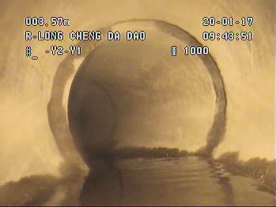
Pipeline inspection using advanced CCTV and QV technologies
-
Maintenance of urban drainage and sewage systems
-
Environmental engineering projects focused on wastewater management and pollution control
By integrating the double expansion ring waterstop into these projects, they achieve improved sealing performance in challenging conditions such as high groundwater pressure zones and underground culverts.
Installation Best Practices
To maximize effectiveness, proper installation is essential. Key steps include:
-
Surface preparation: Ensure joint surfaces are clean and level for optimal bonding
-
Accurate positioning: Place the waterstop centrally within the joint for balanced expansion
-
Secure fixation: Use clamps or fasteners to prevent displacement during concrete pouring
-
Quality inspection: Conduct post-installation checks, including pressure testing, to verify sealing integrity
Skilled technicians and strict adherence to installation standards are crucial to preventing future leakage issues.
Practical Case Example
In a recent urban sewer upgrade project, the double expansion ring method was applied across several kilometers of pipeline. Despite difficult conditions such as fluctuating soil stability and high groundwater levels, the project achieved:
-
No leakage during the initial two years of operation
-
Faster construction timelines due to efficient installation
-
Reduced maintenance demands and improved client satisfaction
This demonstrates the method’s effectiveness in real-world infrastructure scenarios.
Environmental and Economic Impact
Beyond technical advantages, this waterproofing solution also delivers broader benefits:
-
Environmental protection: Prevents untreated wastewater from contaminating soil and groundwater
-
Cost efficiency: Reduces lifecycle costs through durability and minimal maintenance
-
Sustainable development: Supports long-term reliability of urban infrastructure systems
Investing in such advanced solutions helps cities maintain safe, efficient, and environmentally responsible underground networks.
Conclusion
The Double Expansion Ring Rubber Waterstop Method represents a significant step forward in joint waterproofing technology. Its ability to provide active sealing, withstand harsh conditions, and adapt to structural changes makes it an ideal choice for modern construction projects. As demonstrated by industry leaders like Jiangsu Zhenqi Construction Engineering Co., Ltd., adopting this method can greatly enhance the durability and sustainability of municipal and environmental infrastructure.
en.zhenqijianshe.com
Jiangsu Zhenqi Construction Engineering Co., Ltd.