
 0
0
 0
0
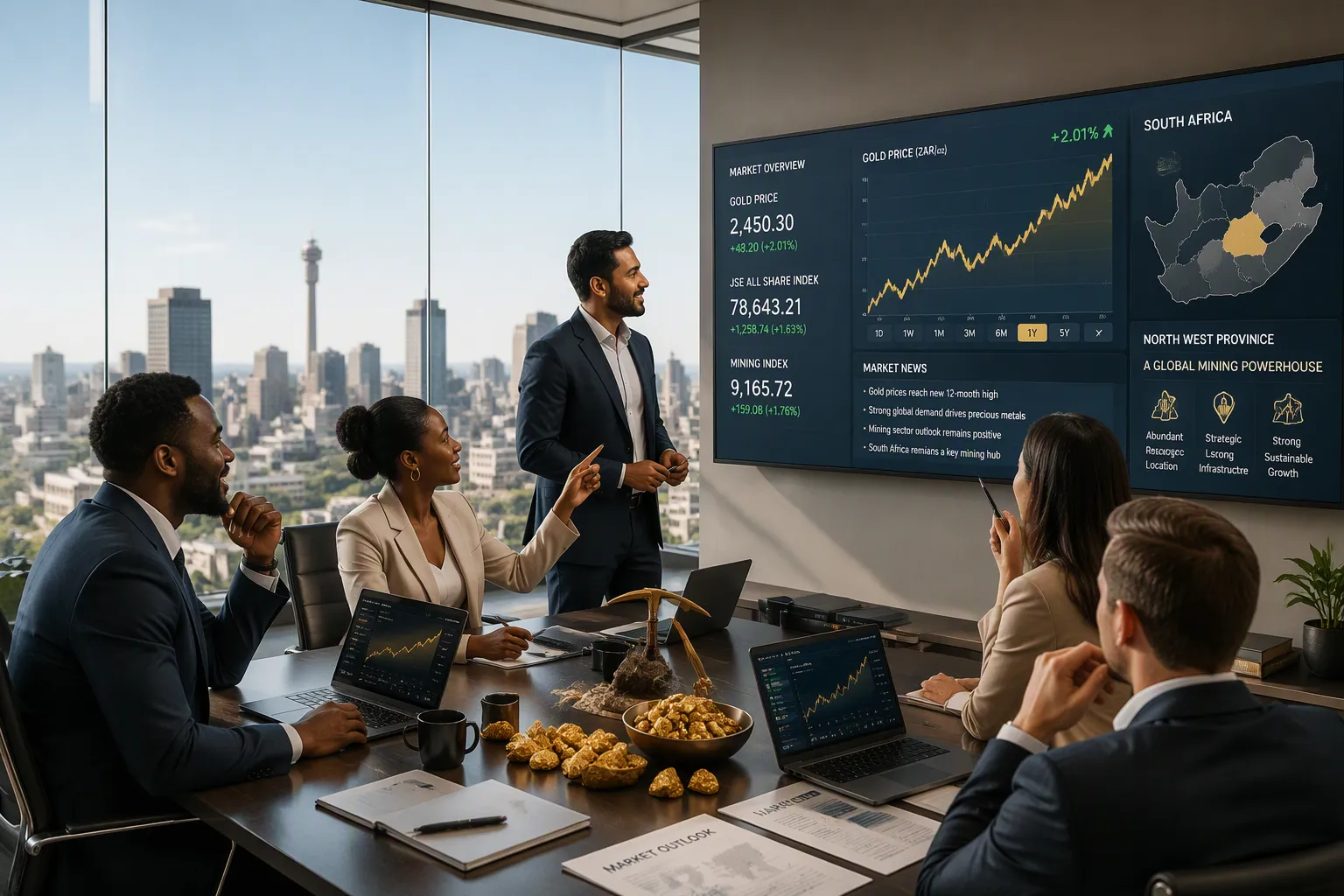
The South Africa FEC market is your 2026 window. A young, urbanizing population prioritizes family entertainment. Full-day experiences replace one-off outings. Children's entertainment spending jumped from USD 96.8 million to USD 106.1 million.
Post-pandemic demand for safe shared experiences fuels growth. Lock in prime locations, pricing power, and recurring revenue. Firms like 12 DESIGN build these venues; explore www.12design12.com.
Key Takeaways
- South Africa's family entertainment market is growing quickly. 2026 offers early operators a strong window for success.
- Multi-attraction venues with party rooms, dining, and memberships create recurring revenue. Families stay longer and spend more.
- Partner with experienced design-build firms like 12 DESIGN. They secure prime locations and launch projects faster.
South Africa FEC Market: Why 2026 Is the Tipping Point
From Single Attractions to Family Leisure Destinations
The old playbook fails South African families. A single bowling alley or a small soft-play zone once satisfied weekend plans. Parents watched children play. Two hours passed. Everyone packed up and went home. The routine felt empty.
Those days are gone. Families now demand more from their leisure time. They compare local options against global entertainment standards. YouTube exposes them to multi-level trampoline parks. Instagram shows parents bowling beside their kids. TikTok highlights dining areas inside amusement zones. Single attractions cannot compete with these expectations.
The solution is the family leisure destination. One venue combines bowling, laser tag, mini-golf, arcade games, climbing structures, and themed dining. Each zone creates a different mood. Each hour offers a new activity. A family arrives at 10 a.m. and leaves at dinner time.
Stay duration drives revenue. Industry data consistently shows that spending per visitor climbs by roughly 30 percent for every added hour of stay. A two-hour visit generates limited sales. A five-hour visit fills the restaurant, activates the redemption counter, and justifies the premium ticket price. Operators across the South Africa FEC market now plan around this principle.

The traditional model relied on birthday parties as a steady revenue engine. Parties still matter. They no longer bring daily foot traffic. A successful destination must engage families without a special occasion. Activity variety creates that engagement. A compelling entry point leads visitors through multiple micro-experiences. Each one brings a small spend opportunity. This variety also extends the average stay. More time in the venue translates to more transactions. A family that comes for bowling stays for lunch, then plays arcade games, and ends with ice cream.
12 DESIGN has delivered exactly these environments. Their YUME WORLD project occupies 4,500 square meters in Suzhou, China. A cyberpunk theme unifies sports, dining, and social spaces into one experience. Families circulate freely between zones. Parents find adult-friendly activities. Children find dedicated play areas. Visitors stay longer, spend more, and return frequently. This model translates directly to South African cities. You can view more case studies at www.12design12.com.
Youth, Urbanization, and Rising Disposable Income
Demographics build the case for 2026. South Africa's population exceeds 60 million. More than half of those citizens are younger than 35. Children aged 0 to 14 represent over 29 percent of the total population. These children require entertainment. Their parents require venues that satisfy everyone.
Urbanization multiplies the opportunity. The urban population now tops 68 percent and keeps growing. Johannesburg, Cape Town, and Durban lead this expansion. Thousands of new households form each month. They need local, weather-proof leisure space. Indoor entertainment solves that problem. Rain cannot cancel a reservation. Heat cannot empty an arcade floor.
Disposable income provides the third pillar. The middle class has expanded significantly over the past decade. Households now allocate budgets to experiences. They fund birthday parties at entertainment centers. They purchase family packages for weekend outings. They prioritize memories over material goods.
The numbers deserve closer inspection. Gauteng alone accounts for roughly a quarter of South Africa's population. The province houses the largest concentration of children in the country. Johannesburg's northern suburbs, Pretoria, and the East Rand all show rising inquiries for large-format family venues. Cape Town follows closely behind with its tourism-driven economy. Secondary cities show similar patterns. Durban attracts growing numbers of young families. The city's coastal location brings tourism, and tourism amplifies entertainment spending.
The combination creates a powerful equation. Youth supplies demand. Urbanization supplies locations. Income supplies pricing power. No other emerging market aligns these three factors at this stage. South Africa stands uniquely positioned for family entertainment growth.
Consumer behavior confirms the shift. Surveys across major metros show that families reduce discretionary spending on physical goods. They reallocate those funds toward shared activities. This pattern follows the global experience economy trend. South Africa now enters that cycle with speed and forceful momentum.
Market Sizing: South Africa's 2026 Growth Signals
Numbers tell a convincing story. The children's entertainment center segment alone moved from USD 96.8 million in 2025 to USD 106.1 million in 2026. Annual growth crossed 9 percent. This acceleration signals a market in early expansion, not maturity.
| Indicator | 2025 | 2026 | Change |
|---|---|---|---|
| Children's segment valuation | USD 96.8M | USD 106.1M | +9.6% |
| Average family spend per visit | USD 38 | USD 42 | +10.5% |
| New venue openings | 15 | 24 | +60% |
The data covers only one segment. The broader South Africa FEC market includes arcades, digital sports halls, family dining, and event venues. Combined, these categories expand the total opportunity significantly. Industry projections place the wider sector above USD 500 million by 2028. Reference data from IAAPA's global FEC reports supports this trajectory for emerging markets.
International benchmarks reinforce the projection. Markets like Poland and Vietnam recorded FEC spending growth above 12 percent for three consecutive years. South Africa's current trajectory mirrors those early growth phases. Investors familiar with those markets recognize the pattern. The entry point now represents the same stage where international operators earned their strongest returns.
Three forces drive these numbers. Population structure guarantees sustained demand for years. Urban density delivers consistent foot traffic. Income growth supports premium admission pricing. Supply remains thin today. This imbalance creates the first-mover opportunity. Smart operators watch these indicators before opening new venues. The same macro signals used by international firms apply to South Africa. Early confirmation of this trend has already influenced several notable real estate developments in Soweto and Sandton.

Compare with mature markets. US family entertainment venues charge between USD 15 and USD 25 for admission. South African venues can benchmark similar rates while supply remains scarce. As competitors enter, prices compress and margins shrink. The window for premium pricing stays open only until supply catches up.
Pent-Up Demand for Safe, Bundled Family Experiences
The pandemic reshaped family leisure expectations. Children spent months in isolation. School sports stopped. Birthday parties moved to video calls. The reopening brought an explosion of pent-up demand. Parents wanted safe, structured environments for their children to reclaim lost social experiences.
Safety became the dominant decision factor. Parents inspect hygiene standards. They check equipment maintenance records. They ask about staffing ratios. Professional FEC operators meet these expectations. Independent single attractions cannot match the same level of investment and control.
Bundling increases perceived value. One admission price grants access to multiple zones. One venue handles parking, safety, food, and entertainment. Parents avoid the logistical headache of coordinating four separate stops. Operators benefit from a higher share of each family's leisure budget.
The psychology persists beyond the emergency phase. Children who experienced isolation now crave structured social play. Parents schedule entertainment visits deliberately. Weekends revolve around destinations that promise bonding, safety, and variety. Venues that deliver this combination become repeat destinations.

The operational lesson is clear. Venues that open with bundled packages and membership options build dependable recurring revenue. A family entertainment center that starts with 500 annual membership households can project steady cash flow. Add birthday bookings and corporate events, and the revenue base stabilizes further. This financial predictability makes FECs attractive to banks and investors.
The formula works because it solves real problems. Parents forget the entry price quickly. They remember the birthday smile, the shared laughter, and the exhaustion of a well-played day.
South African developers have noticed. Commercial landlords across Gauteng and the Western Cape receive regular inquiries for entertainment-anchored spaces. Shopping centers recognize that FECs drive daily foot traffic better than traditional anchors. A well-designed entertainment venue brings families back every weekend. This type of repeat visitation stabilizes retail property values.
The conclusion is straightforward. All four signals align: consumer expectations, demographic profiles, market data, and post-pandemic psychology. The South Africa FEC market has reached its tipping point. Operators recognizing this moment will capture the strongest locations and most loyal customer bases. Waiting means competing for leftovers.
This is precisely the type of market where experience matters. A design-build partner with global knowledge accelerates execution. Firms like 12 DESIGN bring proven formulas from Vietnam, Mexico, and China. Their team understands the full delivery process: site surveys, budget planning, layout design, construction, and operational guidance. You can reach them directly through their website at www.12design12.com. The 2026 window is open. The opportunity will not wait.
Turn the South Africa FEC Market into Recurring Profit
A busy opening weekend feels great. It doesn't pay the bills next month. The South Africa FEC market rewards operators who build recurring revenue from day one. You need predictable cash flow, not one-off spikes. That requires a profit architecture built on repeat visits, event bookings, and diversified spending streams.
Birthday and Event Revenue: The Recurring Engine
Birthday parties generate the steadiest recurring revenue in any FEC. Parents book months ahead. They invite friends who become future customers. Every party produces spending across multiple touchpoints: cake, food, arcade credits, party favors, and retail purchases.
Industry benchmarks confirm this potential:
- Year 1 net margins average around 20 percent.
- Party revenue can rise from $90K to $150K between Year 1 and Year 2.
- Membership income can more than double from Year 1 to Year 3.
- Birthday party bookings stand out as the most important profitability driver.
Party economics explain the margin story. A party room carries premium pricing yet low marginal cost. One room serves multiple parties each weekend. Each additional guest adds minimal expense. The revenue compounds with every booking.
Memberships multiply this effect. A family that starts at the Silver tier often upgrades to Platinum. Each renewal builds loyalty. Members visit more often, spend more per trip, and bring guests. This cycle creates dependable, growing recurring cash flow.
Floor allocation must reflect this reality. Global operators reserve 10–15 percent of total floor area for party rooms. They allocate 50–60 percent to attractions, 20–25 percent to F&B/café, and 10–15 percent to circulation and parent seating. This structure supports a typical net profit margin of 15–35 percent.
| Benchmark | Value |
|---|---|
| Revenue/sq m uplift from play-café layout | +35% |
| Attractions floor share | 50–60% |
| F&B/café floor share | 20–25% |
| Party rooms floor share | 10–15% |
| Circulation/parent seating | 10–15% |
| Typical FEC net profit margin | 15–35% |
The play-café layout deserves special attention. Combining dining with observation areas lifts revenue per square meter by 35 percent. Parents order meals while watching children play. Longer family stays translate directly to higher per-visit spending.
Weekday capacity remains the biggest operational challenge. Weekend hours sell out; Tuesday mornings stay empty. Smart operators fill that gap with structured promotions.
Tiered memberships (e.g., Silver/Gold/Platinum) and off-peak promotions such as toddler-only weekday mornings, after-school specials, membership-only hours, and dynamic weekend pricing are operating benchmarks for filling idle capacity while preserving peak-period revenue.
Toddler-only mornings attract parents who avoid weekend crowds. After-school specials capture the 3–6 p.m. window. Membership-only hours reward loyal customers. Dynamic weekend pricing moves demand toward less crowded time slots.

South African family culture amplifies this strategy. Families celebrate birthdays with extended relatives and large friend groups. Party bookings in local venues tend to be generous. Operators who build celebration-ready infrastructure capture a revenue engine that fires every weekend.
Active Entertainment: F&B, Arcade, Retail, and Parties
Recurring profit requires a balanced revenue mix. Admission tickets bring families through the door. Arcade games capture children between activities. Food and beverage extends dwell time. Retail seals the experience with a physical memory. Each stream serves a distinct function.
| Revenue Stream | Typical Share of Total Revenue |
|---|---|
| Admissions/attractions | 40–50% |
| Arcade | 15–25% |
| F&B | 20–35% |
| Parties/events | 15–30% |
| Memberships | 5–15% |
| Retail | 2–5% |
Parties weave through every stream. A birthday package bundles admission, arcade credits, food, and party favors into one price. That bundling lifts the average transaction value across all categories.
Admissions anchor the business model. Arcade revenue depends on game placement and refresh frequency. Position high-earning games prominently. Make the redemption counter visible from multiple zones. Refresh the game mix regularly to keep regulars engaged.
Food and beverage delivers the strongest margins, often exceeding 60 percent. Beverages perform even better. A café integrated into the play area captures the natural pause point. Children run out of energy; parents order snacks. The transaction happens without leaving the venue.
Retail completes the revenue picture. Branded merchandise, party favors, and souvenirs extend the visit's memory. A modest retail display near the exit captures impulse purchases. These items carry high margins and require minimal staff attention.
Compact attractions can punch above their weight. Miniature golf courses deliver a remarkable return. Industry data from the Professional Miniature Golf Association shows returns of up to 38 percent per year on investment. A well-designed mini-golf course, laser tag arena, or climbing wall generates strong profits from modest square footage.
Flexible, Scalable Design for Family Flow
Design determines your profit ceiling. A congested layout shortens visits. A spacious, logical flow encourages exploration and prolongs stays. Global benchmarks offer a dependable blueprint.
| Aspect | Benchmark |
|---|---|
| Kids' play zones | 6,000–10,000 sq ft |
| Trampoline parks | 15,000–25,000 sq ft |
| Multi-attraction centers | 25,000–40,000+ sq ft |
| Ceiling height (basic attractions) | 16–20 ft |
| Ceiling height (trampolines/ropes/climbing) | 24–30+ ft |
| Parking | 5–7 spaces per 1,000 sq ft |
Choose your footprint deliberately. A multi-attraction FEC needs 25,000 square feet or more to deliver a full destination experience. Smaller venues must select attractions carefully and maximize every square meter. Ceiling height constrains your options. Trampolines, rope courses, and climbing walls require 24-foot ceilings. Confirm structural dimensions before locking in your attraction mix.
Guide families naturally from entry to exit. Arrange circulation so visitors pass every revenue zone. Locate party rooms next to anchor attractions. Separate noisy zones from dining and toddler areas. Clear sightlines help parents watch children from the café.
Accessibility shapes your potential. Plan 5–7 parking spaces per 1,000 square feet of venue space. A 30,000-square-foot FEC needs up to 210 spaces. Locate near main roads, residential areas, schools, and retail centers. Simpler arrival means more return visits.
Throughput metrics keep you accountable. Track players per session, session length, and equipment turnaround. Calculate plays per day, revenue per machine, and revenue per square foot. Rotate underperformers quickly. Staffing ratios of 1 staff per 15–25 guests in active attractions balance service quality and labor costs.
Technology Wins: Cashless Systems, Data, and Immersive Play
Technology now defines the modern FEC. Cashless wristbands speed transactions and eliminate checkout lines. Data systems reveal visitor preferences and spending patterns. Immersive attractions create premium-priced experiences that home entertainment cannot replicate.
| Immersive Technology | Reported Impact |
|---|---|
| VR attractions | Higher per-visit spending than traditional arcade games |
| Multiplayer VR arena / zombie shooter | Tokyo operator tripled weekend traffic |
| Mixed-reality escape rooms / motion-simulated rides | Support premium pricing and longer visits |
| Sensor-enabled trampolines / touch-responsive climbing walls | Boost engagement and active play |
| Story-based attractions | German edutainment center reported 90% higher dwell time |
| AR dodgeball / mixed-reality escape games | Increase teen weekday footfall |
VR attractions command premium prices. A single VR session costs more than several arcade games. Multiplayer experiences add social value that drives return visits. Location-based VR cannot be replicated at home. That exclusivity keeps tech-curious teens and adults coming back.
The Tokyo case proves the model. A multiplayer VR arena featuring a zombie shooter tripled weekend traffic. Leaderboard-linked mobile integration encouraged repeat play. Players checked their standings and invited friends to compete.
Story-based attractions work equally well with younger audiences. A German edutainment center built a spy-themed mystery trail across its venue. Dwell time rose 90 percent. School-group repeat rates strengthened significantly. The narrative gave families a reason to explore every zone.

Wearable wristbands extend the experience beyond payment. Children earn points across multiple attractions. Parents monitor spending in real time. The venue collects granular behavioral data. Those insights drive smarter decisions about game rotation, staffing, and pricing.
Proof from Emerging Markets That Mirror South Africa
The South Africa FEC market doesn't require a leap of faith. Emerging markets with similar demographics have already executed this model. Vietnam, Mexico, and China show what happens when operators commit to destination-scale FECs. Their results translate directly to South African cities.
Vietnam's Ban Mong project demonstrates the cross-generational approach. 12 DESIGN delivered a complete FEC solution from concept to construction. The venue became a regional landmark, drawing tourists and local families. The high-fidelity build created a social-media magnet that amplified its reach.
Mexico's PEPPYMON Children's Cafe shows how themed dining transforms a restaurant into a participatory story universe. Customer stay time rose significantly. Brand loyalty followed. Children demanded return visits to the "magic place."
China's YUME WORLD in Suzhou provides the most direct parallel. A 4,500-square-meter Cyberpunk-themed entertainment center integrated sports, dining, and social spaces. The venue revived an entire commercial zone. Visitor frequency at the shopping center climbed as families made the FEC their weekend destination.
Each case shares a common thread: professional design-build execution. A concept becomes profitable only when construction matches the vision. 12 DESIGN's global track record spans 25+ countries. Their one-stop approach covers site surveys, budget planning, layout design, construction, and operational guidance. You can explore their portfolio and project references for this exact market at www.12design12.com.
The window remains open for operators who move now. Professional design, proven benchmarks, and a clear revenue model turn the South Africa FEC market into a predictable profit center. Build a venue that families visit weekly. Or watch competitors claim those customers first.
The 2026 Race: Anchor, Integrate, and Move Early

The race has started. The South Africa FEC market has reached its tipping point. Developers now view entertainment centers as essential anchors. You have a narrow window to secure prime locations. Here is how to win.
FECs as Anchor Attractions in Mixed-Use Developments
A well-designed FEC generates daily foot traffic. This traffic lifts every adjacent tenant. Revenue-share partnerships keep the model low-risk. The host provides the space. The operator supplies games, installation, and marketing. Both share revenue. You avoid initial capital investment. Mixed-use projects gain a traffic engine. Specialist firms handle execution. 12 DESIGN has delivered over 200 large-scale projects across 25+ countries.
Hotels, Resorts, and Retail Integration
Hotels and resorts unlock similar value. An onsite amusement zone keeps guests longer and raises spending. Underused lobbies become profit centers. Restaurants and stores can adopt the same structure. Zero-cost revenue-share agreements mean the operator handles equipment and repairs. The host collects a percentage of each transaction. Your property stands out instantly.
First-Mover Advantage: Why Waiting Is Expensive
The South Africa FEC market rewards speed. Every quarter of delay raises your risk:
| Cost/Competitive Risk | How Delayed Entry Increases It |
|---|---|
| Loss of market share | Agile competitors secure prime locations and brand leadership first. |
| Capital constraints | Late entrants miss favorable funding windows during growth. |
| Regulatory compliance costs | Approvals slow down and become costlier. |
| Margin compression | Overcapacity from late movers erodes pricing power. |
| Technology disruption | At-home digital entertainment advances while you wait. |
| Alternative leisure competition | Virtual formats capture your potential customers. |
Experienced design-build partners compress your timeline. A firm like 12 DESIGN delivers turnkey projects across global markets. Their integrated approach covers site surveys, layout, construction, and operations. Explore their portfolio at www.12design12.com. The window closes fast. Claim your anchor location before saturation.
2026 is South Africa’s FEC moment. Multi-attraction venues match how families want to spend leisure time—together, safely, and for longer stays. Recurring event revenue and diversified spending make this investment case stronger than most emerging markets. The gold rush rewards first movers, so claim your anchor location now. Design-build partners like 12 DESIGN can get you there.
FAQ
Why is 2026 your year to enter the South Africa FEC market?
You should enter now. A young, urbanizing population demands family experiences. Children's entertainment spending jumped from USD 96.8 million to USD 106.1 million. Early movers secure prime locations.
How can you turn your South African FEC into recurring profit?
You design for long family stays. Parties and memberships become your recurring engine. Revenue streams span admissions, arcade, F&B, and retail. Operators like 12 DESIGN build venues around these models.
How can you launch your South African FEC project faster?
Partner with a firm like 12 DESIGN. They deliver turnkey projects across 25+ countries. Their team manages site surveys through operations. You avoid costly delays. Visit www.12design12.com for case studies.
See Also
Always Choose The Correct Aluminum Casting Method Every Time
12design12.com
12DESIGN