
 0
 0
Understanding Pulse Jet Baghouse Filter Bag Installation
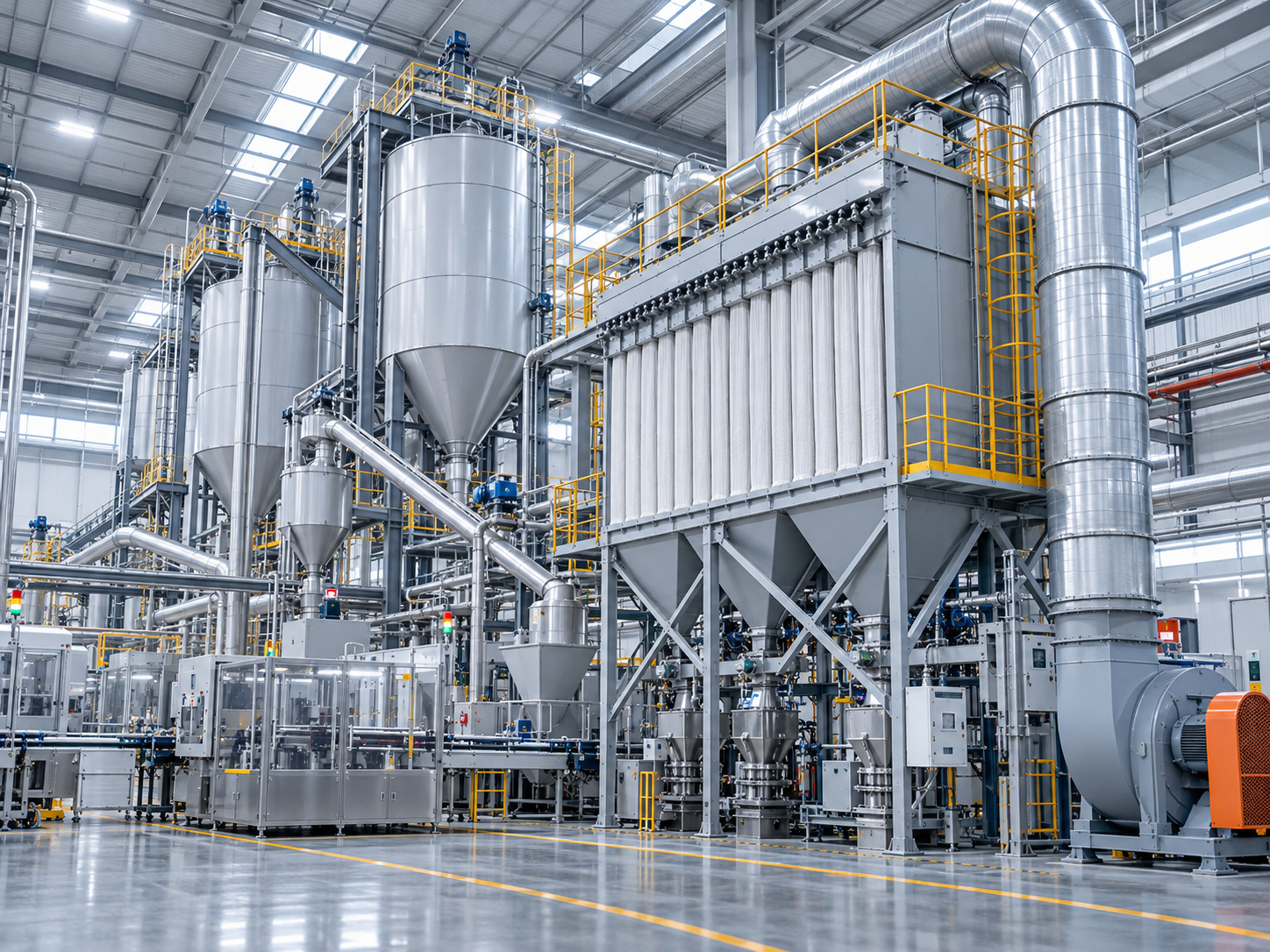
Pulse jet baghouse systems are among the most widely used dust collection configurations across electric power, steel, cement, metallurgy, chemical, building materials, and road construction machinery industries. Correct filter bag installation directly determines dust collection efficiency, pressure drop stability, and overall system lifespan. According to industry knowledge documented by Jiangsu Aokai Environmental Technology Co., Ltd. (brand name Aokai Environtec), industrial dust collection systems commonly face high-temperature flue gas, corrosive chemicals, humidity, abrasive fly ash, sticky dust, and fine dust penetration. Selecting the wrong filter media or installing bags incorrectly can cause hydrolysis, blinding, premature filter bag failure, production downtime, and non-compliance with environmental regulations.
A properly executed installation process is therefore not a single step but a sequence of technical decisions — from working condition analysis to material selection, cage compatibility, and post-installation inspection.
Why Pre-Installation Condition Analysis Matters
Before any filter bag is installed, operating conditions should be analyzed to prevent mismatched material selection. Aokai Environtec's service scope explicitly includes free pre-sales consultation, on-site working condition analysis and gas detection, and filter media selection and product selection. This step accounts for flue gas temperature (continuous and peak), chemical exposure (acids, alkalis, organic solvents), moisture levels, and required emission limits, which across the company's filter bag series range from 5 mg/Nm³ to 10 mg/Nm³ and below.
The company's product portfolio reflects how material choice must align with operating conditions:
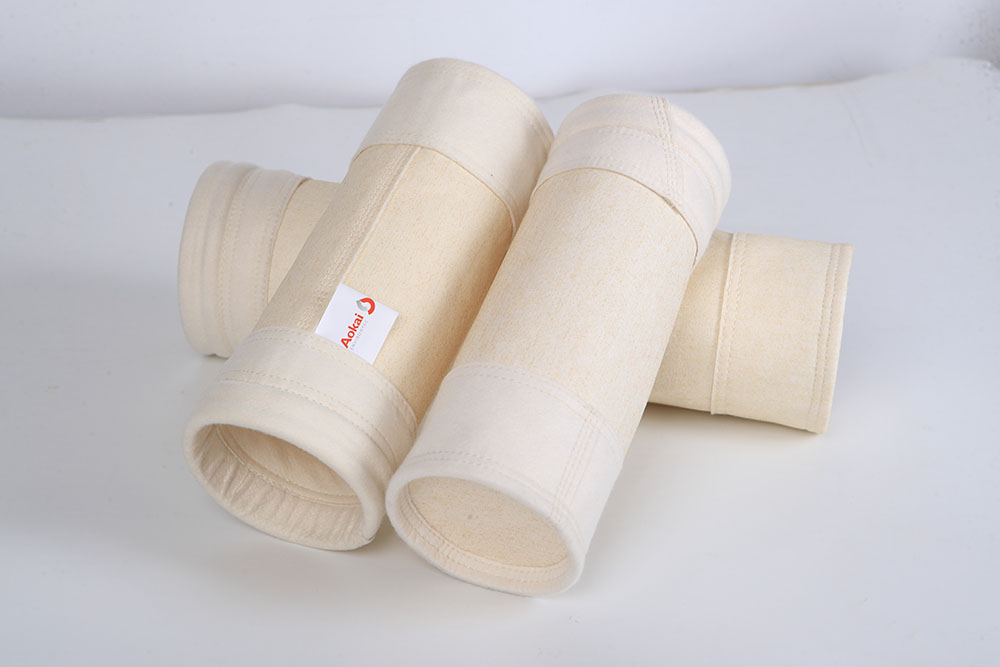
- Aramid Series (e.g., HPE250N, PRO845): suited for high-temperature asphalt mixing plant conditions, withstanding 204°C continuous and 250°C peak temperatures
- PPS Series (e.g., PS155, PSF953T): engineered for humidity and chemical attack, with hydrolysis resistance at 160°C continuous and 190°C peak
- PTFE Series (e.g., PT175, PT180M): designed for severe chemical environments with 240°C continuous and 260°C peak resistance, plus ePTFE membrane lamination for surface filtration
- Fiberglass Composite Series (AKG900/901/902): built for high-temperature cement kiln and power plant applications up to 240°C continuous
- Acrylic and Polyester Series: cost-effective options for moderate-temperature and dry normal-temperature dust collection
- P84/PI Series (API155, API255): multilobular fiber structure for fine-particle capture at 240°C continuous
Matching the correct series to actual flue gas conditions is the foundation of a successful pulse jet baghouse installation.
Cage Compatibility: A Critical but Often Overlooked Step
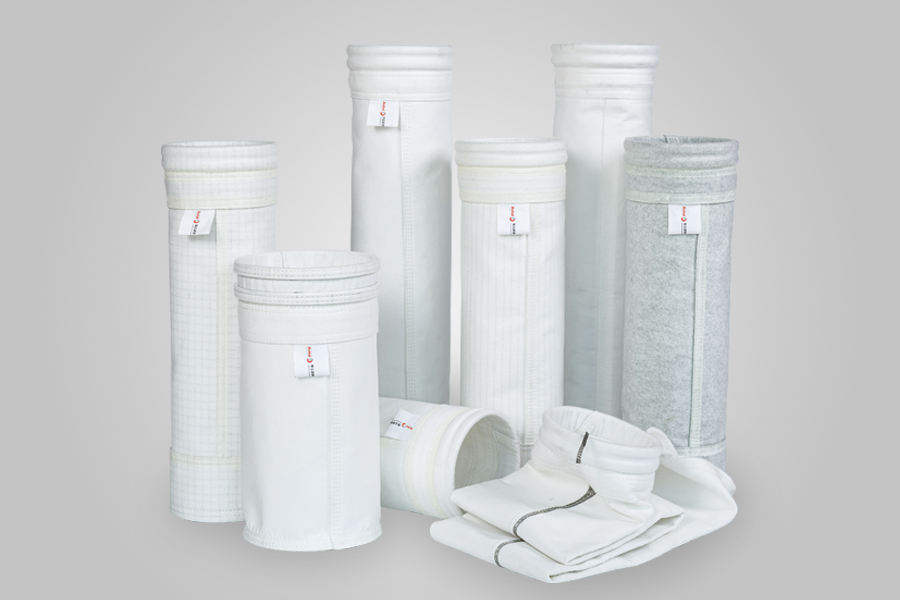
Filter bags do not function in isolation — they depend on properly matched cages for structural support inside the baghouse. Aokai Environtec's platform compatibility covers pulse jet, shaker, and reverse air baghouse types, with cage design and configuration that fits most major dust collector original equipment manufacturer (OEM) brands.
The company's Aokai Filter Bag Cage line offers multiple configurations — round, envelope type, star type, spring type, and U type cages — each available with either galvanization treatment or organic silicon high-temperature spray treatment. Galvanized cages are suited for normal temperature working conditions up to 150°C, while organic silicon treatment protects cages operating above 160°C with anti-corrosion performance. Selecting the correct cage type and surface treatment prevents premature cage corrosion, which, left unaddressed, shortens filter bag life and increases replacement cycles.
Custom Fit for Any Dust Collector Model
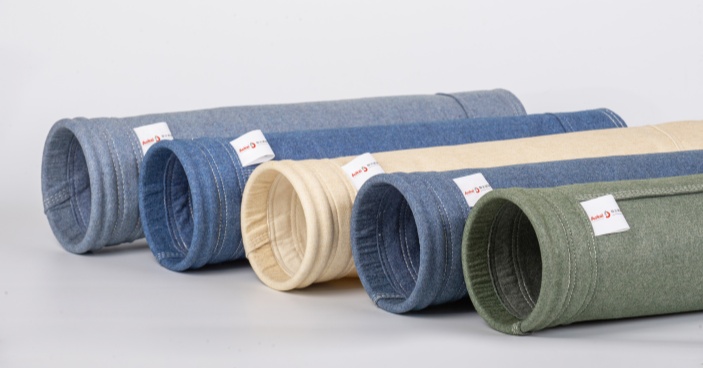
Standard filter bags do not always match every dust collector specification. Aokai Environtec's Product Customization service addresses this by manufacturing bags from a drawing, existing sample, dust collector model, support frame dimensions, or original part number. Customization options relevant to installation include:
- Custom dimensions: bag width, length, depth, and opening shape tailored to the application
- Custom tops and bottoms: snap bands, cuffs, disc bottoms, hemmed bottoms, wear strips, and other connection types
- Custom seams and reinforcement: sewing thread, seam construction, and reinforcement at frame-contact areas
- Custom packaging: protective plastic bags, woven plastic wrapping, cartons, and wooden pallets suited for container shipping
Every custom bag undergoes 100% inspection before packaging, a practice intended to reduce installation defects before the product ever reaches the baghouse.
On-Site Installation Guidance and Defect Inspection
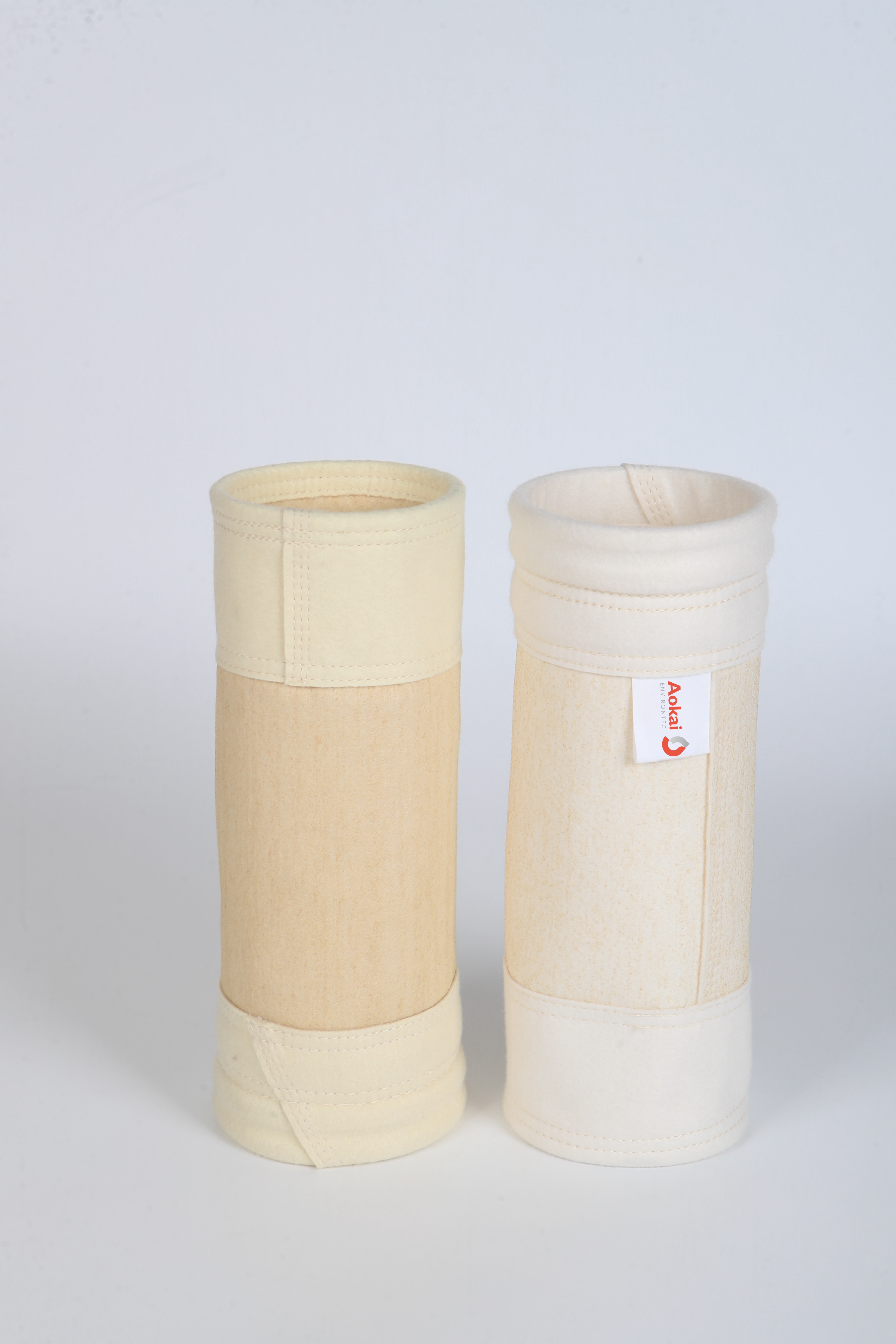
Installation support does not end once the product leaves the factory. Aokai Environtec's service scope includes filter bag installation, disassembly, and on-site guidance, along with defect inspection using scientific inspection equipment to check for installation defects, and pre-coating service to prepare filter bags for specific working conditions before they enter full operation.
This guidance is backed by an advanced testing laboratory containing German VDI 3926 test equipment (FilTEq FEMA 1-AT), a Dutch Phenom Pure scanning electron microscope, an American PMI Capillary Flow Porometer CFP-1100A, and a Swiss TEXTEST FX3300-IV air permeability tester, among other equipment, enabling 13 core performance tests including fiber melting point, heat shrinkage rate, breaking strength, and air permeability.
Post-Installation Monitoring and Lifecycle Support
Correct installation is only the starting point of a filter bag's service life. Aokai Environtec's Life Cycle Support & Services extend into filter bag regular inspection and life prediction, baghouse inspection and maintenance, and filter bag failure analysis when issues arise. Failure analysis covers five modes: mechanical strength, thermal degradation, chemical degradation, incompatible design, and dust penetration (media blinding), combining testing findings with actual operating data to diagnose root causes and recommend corrective action.
Service assurance standards include 7×24 online customer service with technician contact within 2 hours, domestic on-site service within 48 hours for East China and 72 hours for Central China and Northeast, and international remote guidance within 24 hours with local partner engineer on-site support within 7–10 days.
Demonstrated Performance in Real Installations
Documented customer cases illustrate how proper installation translates into measurable results. In a Shanxi asphalt mixing plant, HPE250N filter bags installed in February 2023 maintained normal service condition after two months and 50,000 tons of material produced, with on-site measured dust emission concentration meeting customer needs. At a Jiangxi asphalt mixing plant, MAX445/MAX445N bags installed since July 2019 showed no filter bag damage after output exceeded 250,000 tons. At Hangzhou Municipal Engineering Co., Ltd, 850 CONEX145 bags installed on May 10, 2019 achieved a service life exceeding two years.
Conclusion
Pulse jet baghouse filter bag installation involves far more than physically placing a bag into a cage. It requires working condition analysis, correct filter media selection, compatible cage design, precise customization, careful on-site installation, and ongoing lifecycle monitoring. With 22 years of industry experience, in-house manufacturing of filter media, filter bags, and cages, 40+ patents, and a dedicated after-sales technical team of 30 personnel, Aokai Environtec (Jiangsu Aokai Environmental Technology Co., Ltd.) offers a complete, end-to-end framework for addressing these installation challenges across electric power, steel, cement, metallurgy, chemical, and road construction machinery industries.
https://www.aokaifilters.com/baghouse-filter-bags/
Aokai Environtec