
 0
0
 0
0
Introduction
Healthcare products must meet some of the most demanding performance and safety standards in any industry. Materials used in medical devices, wearable healthcare equipment, diagnostic tools, and patient-care products must not only provide mechanical reliability but also ensure long-term compatibility with the human body.
Among advanced polymer materials, liquid silicone rubber (LSR) has become a preferred choice for many healthcare applications due to its excellent biocompatibility, chemical stability, flexibility, and durability. From medical tubing and seals to wearable sensors and implantable components, medical grade liquid silicone rubber provides manufacturers with a reliable solution for developing safe and high-performance healthcare products.
However, selecting a suitable material for healthcare applications requires more than evaluating basic physical properties. Manufacturers must consider factors such as biological safety, sterilization resistance, cleanliness, regulatory compliance, and long-term performance.
This article explores how liquid silicone rubber for medical devices meets strict biocompatibility requirements, why it is widely used in healthcare manufacturing, and what buyers should consider when selecting an LSR supplier.
Understanding Biocompatibility Requirements in Healthcare Products
Biocompatibility refers to the ability of a material to perform its intended function without causing harmful biological reactions when exposed to the human body.
For healthcare products, materials may come into contact with:
-
Skin
-
Blood
-
Tissue
-
Mucous membranes
-
Internal organs
-
Bodily fluids
Depending on the application, medical materials must avoid causing:
-
Toxic reactions
-
Allergic responses
-
Inflammation
-
Cell damage
-
Tissue irritation
-
Blood compatibility issues
This is why healthcare manufacturers carefully evaluate materials before incorporating them into medical products.
A material suitable for industrial applications may not necessarily meet medical requirements. The unique formulation and curing technology of liquid silicone rubber material allow it to achieve the high safety standards required in healthcare environments.
Why Liquid Silicone Rubber Is Widely Used in Healthcare Applications
Silicone elastomers have been used in medical applications for decades due to their excellent combination of safety and performance.
Compared with many traditional polymers, liquid silicone rubber offers several advantages that make it suitable for healthcare products.
Key benefits include:
-
High biocompatibility
-
Chemical inertness
-
Low toxicity
-
Excellent flexibility
-
Temperature resistance
-
Sterilization compatibility
-
Long-term stability
These characteristics allow manufacturers to design medical products that are comfortable, durable, and safe for patients.
Common healthcare applications include:
-
Medical tubing
-
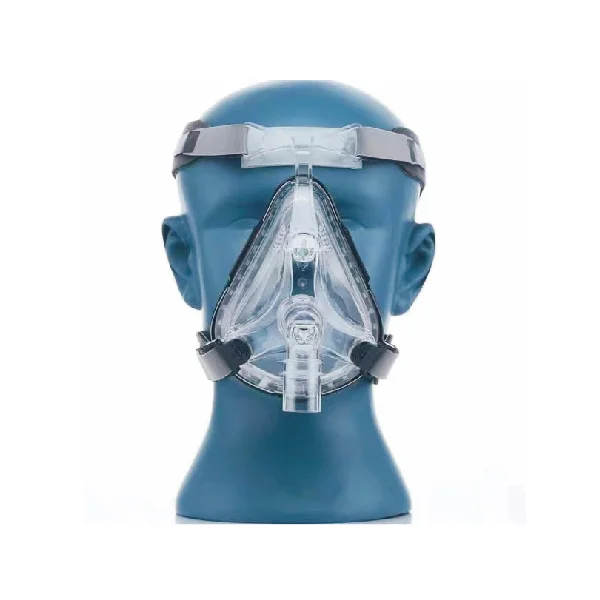
Respiratory masks
-
Surgical components
-
Catheter parts
-
Drug delivery systems
-
Baby care products
-
Wearable medical devices
-
Diagnostic equipment seals
How Liquid Silicone Rubber Achieves Medical-Grade Biocompatibility
Stable Chemical Structure
One of the main reasons medical grade liquid silicone rubber performs well in healthcare environments is its stable chemical structure.
Silicone polymers contain a silicon-oxygen backbone that provides excellent resistance to degradation. Unlike some organic materials that may break down or release unwanted substances over time, medical silicone maintains its stability during extended use.
This chemical stability helps reduce the risk of:
-
Material degradation
-
Chemical migration
-
Unwanted reactions with tissues
-
Performance changes during product lifespan
For medical manufacturers, this stability is especially important for products designed for repeated or long-term contact with patients.
Low Extractables and Minimal Contamination Risk
Medical devices must maintain a high level of cleanliness because contamination can affect patient safety.
High-quality liquid silicone rubber for medical devices is formulated to minimize:
-
Extractable substances
-
Residual chemicals
-
Unwanted additives
Advanced platinum-cured LSR systems provide cleaner processing compared with some traditional curing methods.
This makes LSR suitable for applications where purity is critical, such as:
-
Fluid handling systems
-
Pharmaceutical components
-
Laboratory equipment
-
Medical connectors
Manufacturers can further improve safety by selecting suppliers with strict quality control procedures and controlled production environments.
Compliance with Medical Safety Standards
Biocompatibility is not only a material characteristic; it must also be verified through recognized testing procedures.
Medical silicone components are commonly evaluated according to international standards such as:
-
ISO 10993 biological evaluation requirements
-
USP Class VI testing
-
Medical device regulatory requirements
These evaluations may include tests for:
-
Cytotoxicity
-
Sensitization
-
Irritation
-
Acute systemic toxicity
-
Material-mediated pyrogenicity
A reliable liquid silicone rubber manufacturer should provide appropriate documentation and testing reports to support medical product development.
For healthcare companies, working with a supplier experienced in medical applications can significantly reduce compliance risks.
Excellent Sterilization Resistance
Medical products often require sterilization before use. Therefore, materials must withstand repeated exposure to sterilization processes without losing performance.
Liquid silicone rubber for medical applications offers excellent resistance to common sterilization methods, including:
Steam Sterilization
LSR can maintain its mechanical properties under high-temperature steam sterilization conditions.
Ethylene Oxide Sterilization
Silicone components are compatible with ethylene oxide sterilization methods commonly used for heat-sensitive medical devices.
Radiation Sterilization
Certain silicone formulations can also withstand radiation-based sterilization processes.
This sterilization flexibility makes medical silicone rubber components suitable for both disposable and reusable healthcare products.
Flexibility and Comfort for Patient-Focused Products
Healthcare products often require direct contact with the human body. Comfort and flexibility are therefore essential design considerations.
The soft and elastic properties of LSR make it ideal for products such as:
-
Wearable sensors
-
Respiratory devices
-
Skin-contact accessories
-
Baby care products
-
Protective medical equipment
Compared with rigid plastics, liquid silicone rubber components can better adapt to body movement while maintaining structural integrity.
For wearable medical technology, this flexibility improves:
-
User comfort
-
Device stability
-
Long-term usability
Liquid Silicone Rubber Injection Molding for Medical Manufacturing
The manufacturing process plays an important role in maintaining product quality.
Liquid silicone rubber injection molding has become a popular production method for medical components because it enables precise, repeatable, and efficient manufacturing.
Advantages include:
High Precision
Medical devices often contain small and complex components.
LSR injection molding allows manufacturers to produce:
-
Thin-wall structures
-
Micro seals
-
Flexible membranes
-
Complex geometries
with excellent dimensional accuracy.
Consistent Product Quality
Automated molding systems help maintain consistent:
-
Material distribution
-
Curing conditions
-
Product dimensions
-
Mechanical properties
This consistency is essential for healthcare applications where reliability is critical.
Clean Manufacturing Capability
Medical LSR production often requires controlled environments to reduce contamination risks.
Professional manufacturers typically implement:
-
Clean production areas
-
Automated processing
-
Strict inspection procedures
-
Traceability systems
Applications of Liquid Silicone Rubber in Healthcare Products
The versatility of LSR allows it to support a wide range of healthcare applications.
Medical Tubing and Fluid Management Systems
Silicone tubing is widely used because it offers:
-
Flexibility
-
Transparency
-
Chemical resistance
-
Biocompatibility
Applications include:
-
Feeding tubes
-
Drainage systems
-
Respiratory equipment
-
Infusion components
Wearable Medical Devices
The growth of smart healthcare technology has increased demand for flexible materials.
Liquid silicone rubber for wearable devices is used in:
-
Fitness monitoring systems
-
Continuous glucose monitors
-
Smart patches
-
Health sensors
Its soft-touch surface improves comfort during extended wear.
Surgical and Medical Components
LSR is also used for:
-
Surgical instrument parts
-
Valve components
-
Sealing membranes
-
Protective covers
Its durability helps ensure reliable operation in demanding medical environments.
Baby and Infant Care Products
Safety is especially important for infant products.
Food-contact and medical-grade silicone materials are commonly used in:
-
Baby nipples
-
Feeding components
-
Pacifier parts
Their low odor, softness, and safety characteristics make them suitable for sensitive applications.
Advantages of Custom Liquid Silicone Rubber Solutions
Different healthcare products have different performance requirements.
A professional custom liquid silicone rubber molding solution allows manufacturers to customize:
-
Hardness levels
-
Colors
-
Mechanical properties
-
Surface finishes
-
Component designs
For example:
-
A wearable medical device may require softer silicone for comfort.
-
A surgical seal may require higher tear resistance.
-
A fluid connector may require specific chemical resistance.
Customization helps manufacturers achieve better product performance while meeting regulatory requirements.
Choosing the Right Liquid Silicone Rubber Supplier
Selecting the right supplier is a critical step for healthcare companies.
A qualified liquid silicone rubber supplier should provide:
Medical Industry Experience
Look for suppliers familiar with:
-
Medical device production
-
Healthcare regulations
-
Biocompatible materials
Quality Management Systems
Important certifications may include:
-
ISO 13485
-
ISO 9001
-
Relevant medical material certifications
Technical Support
A reliable partner should support:
-
Material selection
-
Prototype development
-
Mold design
-
Testing requirements
-
Production optimization
Manufacturing Capability
Evaluate:
-
LSR injection molding equipment
-
Cleanroom production capability
-
Quality inspection systems
-
Batch traceability
The right supplier can help transform a medical product concept into a safe and commercially successful solution.
Future Trends of Liquid Silicone Rubber in Healthcare
The healthcare industry continues to demand materials that combine safety, comfort, and advanced functionality.
Future developments in liquid silicone rubber applications may include:
More Wearable Healthcare Technologies
Flexible silicone materials will support next-generation monitoring devices.
Advanced Drug Delivery Systems
LSR will continue enabling precision components for controlled medication delivery.
Minimally Invasive Medical Devices
Small, flexible silicone components will support less invasive procedures.
Sustainable Medical Manufacturing
Manufacturers are exploring cleaner production methods and improved resource efficiency.
As healthcare technology advances, LSR will remain an important material for developing safer and more reliable medical products.
Conclusion
Healthcare manufacturers must carefully select materials that provide both excellent performance and proven biological safety. Liquid silicone rubber has become a trusted solution because of its outstanding biocompatibility, chemical stability, flexibility, sterilization resistance, and long-term reliability.
From medical tubing and surgical components to wearable healthcare devices, medical grade liquid silicone rubber helps manufacturers create products that meet strict safety requirements while improving patient comfort.
For companies developing healthcare products, partnering with an experienced liquid silicone rubber manufacturer with strong engineering capabilities, quality systems, and medical industry expertise is essential. With the continued growth of advanced medical technologies, LSR will remain a key material supporting innovation in the global healthcare industry.
www.mosensil.com
mosensil