

 0
0
 0
0
Frozen food has become an integral part of modern diets worldwide. From vegetables and fruits to ready-to-eat meals and seafood, frozen food provides convenience, extended shelf life, and consistent quality. However, with the rise in frozen food production, ensuring food safety has become more critical than ever. Contaminants like metal fragments can pose serious health risks to consumers and lead to product recalls, financial losses, and reputational damage for manufacturers. This is where food metal detectors play a vital role in the frozen food processing industry.
The Importance of Food Metal Detection in Frozen Food Processing
Frozen food processing involves multiple steps, including washing, cutting, blanching, freezing, packaging, and distribution. Each stage introduces the potential for metal contamination, which can originate from various sources:
-
Processing equipment wear and tear: Blades, mixers, conveyors, and packaging machinery may release small metal fragments over time.
-
Raw material contamination: Raw ingredients may already contain metallic particles from harvesting, transport, or prior processing.
-
Packaging materials: Metal fragments from cans, foil, or machinery can enter the food during packaging.
Even tiny metal fragments can damage consumer health, including causing choking hazards, dental injuries, or gastrointestinal injuries. Beyond consumer safety, undetected metal contaminants can lead to regulatory fines, product recalls, and loss of brand trust. Therefore, integrating food metal detectors into frozen food processing lines is not optional—it is essential.
How Food Metal Detectors Work
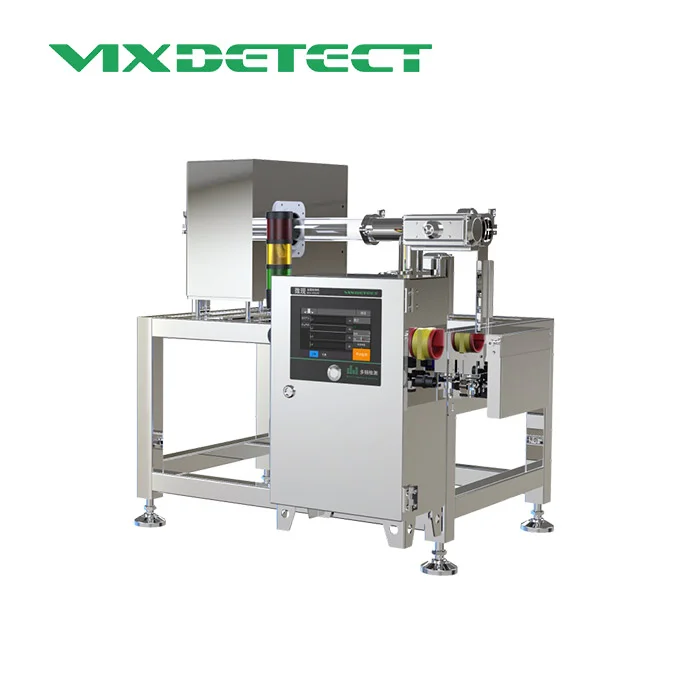
Food metal detectors use electromagnetic fields to detect the presence of metal contaminants in food products. The primary principle is based on the disturbance of a generated magnetic field when a metal object passes through the detection head. When this occurs, the detector sends a signal to the control system, which can automatically reject the contaminated product from the production line.
Modern food metal detectors are capable of detecting various types of metals, including:
-
Ferrous metals (iron-based)
-
Non-ferrous metals (aluminum, copper)
-
Stainless steel (both magnetic and non-magnetic grades)
For frozen food, which often contains high moisture content or is packed in metallic trays or foil, specialized frozen food metal detectors are designed to maintain high sensitivity despite temperature and packaging challenges.
Challenges of Metal Detection in Frozen Food Processing
Detecting metal contaminants in frozen foods presents unique challenges that are not as prevalent in fresh food processing:
1. Product Temperature
Frozen products often range from -18°C to -30°C. Low temperatures can affect the electromagnetic properties of the product, making it harder to detect metals. High-performance food metal detectors for frozen foods are calibrated to account for these temperature variations.
2. Product Composition
Frozen foods vary in composition, including water content, ice crystals, fats, and complex packaging. These factors can cause product effect, where the metal detector may misinterpret the product itself as a metal contaminant. Advanced detectors have product compensation technology to reduce false alarms while maintaining detection accuracy.
3. Packaging Materials
Frozen foods are often packed in materials like foil trays, vacuum-sealed pouches, or plastic containers, which can shield metal contaminants from detection. Food metal detectors designed for frozen food incorporate throughput adjustment and multi-frequency detection to effectively identify metal fragments even within challenging packaging.
4. High-Speed Production
Frozen food lines often operate at high speeds, producing hundreds or thousands of units per minute. Metal detectors must be fast, reliable, and synchronized with conveyor systems to prevent contaminated products from reaching the packaging stage.
Key Features of Food Metal Detectors for Frozen Food
When selecting a food metal detector for frozen food processing, manufacturers should consider the following critical features:
-
Temperature Compensation
Ensures consistent detection performance despite the frozen state of the product. -
Multi-Frequency Technology
Different frequencies allow detection of various metal types and sizes while minimizing false rejects. -
Reject Mechanism Integration
Automatic rejection systems like air blasts or pushers prevent contaminated products from proceeding down the line. -
Sanitary Design
Stainless steel construction and easy-to-clean surfaces comply with HACCP and ISO 22000 standards. -
User-Friendly Interface
Touchscreen controls and programmable sensitivity settings improve operational efficiency and reduce training requirements. -
Data Logging and Reporting
Advanced systems can record all detected contamination events, providing traceability for audits and quality control.
Applications in Frozen Food Industry
Food metal detectors are widely used across frozen food categories, including:
-
Frozen vegetables and fruits: Detect metal fragments from harvesting machinery or prior processing.
-
Ready-to-eat meals: Ensure safety in complex products with multiple ingredients and packaging layers.
-
Seafood products: Detect sharp metal fragments from fish bones or processing equipment.
-
Meat and poultry: Identify fragments from cutting tools or grinders.
-
Bakery and pastry items: Detect metal shards from mixers, slicers, or conveyor belts.
By implementing metal detection at multiple stages—raw material intake, post-freezing, and final packaging—manufacturers can ensure maximum safety and product quality.
Regulatory and Quality Standards
Food manufacturers are required to comply with international food safety regulations. Metal detection is often a mandatory step in food safety management systems like:
-
HACCP (Hazard Analysis and Critical Control Points)
-
ISO 22000 (Food Safety Management System)
-
FDA Food Code (for exported products to the United States)
-
BRCGS (British Retail Consortium Global Standards)
Failure to integrate effective metal detection systems can result in regulatory penalties, recalls, and loss of market access.
Benefits of Food Metal Detectors in Frozen Food Processing
Implementing food metal detectors provides numerous advantages:
-
Consumer Safety: Prevents injuries caused by metal contaminants.
-
Brand Protection: Maintains customer trust by avoiding recalls or negative publicity.
-
Operational Efficiency: Automated rejection systems reduce manual inspection needs.
-
Regulatory Compliance: Ensures adherence to food safety standards and audit requirements.
-
Cost Savings: Minimizes product loss, liability, and potential fines.
Choosing the Right Embedded Food Metal Detector Manufacturer
Selecting a reliable embedded food metal detector manufacturer is crucial for frozen food processors. Key considerations include:
-
Experience in frozen food applications
-
After-sales support and maintenance services
-
Customization options for production speed and product type
-
Compliance with global food safety standards
A high-quality food metal detector supplier can provide solutions tailored to the specific challenges of frozen food production, ensuring accurate detection and seamless integration with existing lines.
Conclusion
As frozen food production continues to grow globally, metal contamination prevention remains a critical concern for manufacturers. Food metal detectors are indispensable tools in ensuring safety, maintaining quality, and complying with regulatory standards. By investing in advanced, industry-specific metal detection systems, frozen food processors can protect their consumers, safeguard their brand reputation, and optimize production efficiency.
From detecting tiny metal fragments in frozen vegetables to complex ready-to-eat meals, the right food metal detector is a cornerstone of modern frozen food processing. Embracing this technology ensures that the frozen food reaching consumers is not only convenient and delicious but also safe and reliable.
www.vixdetect.net
vixdetect