
 0
0
 0
0
In industries where product purity is non-negotiable—pharmaceuticals, food processing, medical sterilization, and biotechnology—the quality of steam used in production directly impacts safety, compliance, and brand reputation. Traditional steam generation methods often introduce risks of chemical contamination, mineral deposits, and impurities that can compromise sensitive products. This is where clean steam generation systems emerge as a critical technology for maintaining the highest hygiene standards.
What Makes Clean Steam Different?
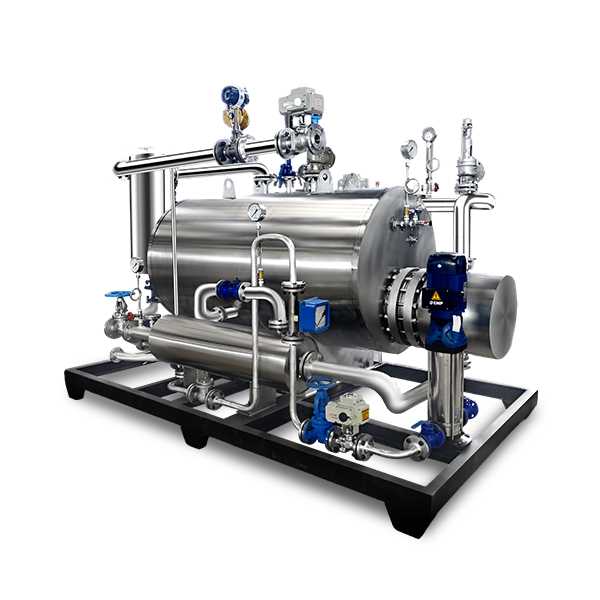
Clean steam, also known as pure steam, refers to steam produced through specialized distillation processes that eliminate chemical additives, boiler treatment agents, and dissolved solids. Unlike conventional industrial steam that may contain traces of boiler feedwater chemicals or pipe corrosion byproducts, clean steam meets stringent purity requirements equivalent to pharmaceutical-grade water standards.
The core principle involves multi-stage steam-water separation technology that ensures complete removal of non-condensable gases and particulates. This process delivers "zero-chemical" steam output—a fundamental requirement for applications where even microscopic contamination could trigger product recalls or regulatory violations.
Why Industries Are Transitioning to Pure Steam Solutions
The pharmaceutical industry faces particularly stringent regulations regarding sterilization processes. Equipment used in Central Sterile Supply Departments (CSSD) of hospitals must guarantee 100% uptime and contamination-free operation. Shandong General Hospital successfully deployed hospital-grade steam generators that enable continuous 24-hour sterilization cycles, ensuring critical medical instruments remain available without compromise to safety protocols.
Food and beverage manufacturers encounter similar challenges. Major brands like Jinlongyu—a leading rice and oil producer supplying global retailers including Sam's Club and Walmart—require stable, high-purity steam for large-scale production lines. Any contamination in steam used for food processing or packaging could result in costly production halts and damage to brand credibility. The implementation of clean steam systems has enabled such operations to maintain compliance with international retail quality standards while supporting high-volume production demands.
In textile manufacturing, pure steam directly influences product consistency. A dyeing factory in Zhejiang province struggled with uneven color application caused by impurities in their steam supply. After upgrading to pure steam generators constructed with pharmaceutical-grade 316L stainless steel, the facility achieved a 25% increase in color uniformity and reduced customer returns by 80%. The corrosion-resistant material ensures long-term steam purity by preventing metal ions from leaching into the steam flow.
Technical Architecture of Advanced Clean Steam Systems
Modern clean steam generation systems incorporate several sophisticated design elements that distinguish them from conventional boilers:
Material Selection: The use of food-grade and pharmaceutical-grade 316L stainless steel throughout the steam pathway prevents corrosion and ensures long-term purity. This contrasts with standard 304 stainless steel or carbon steel used in traditional boilers, which can introduce metallic contaminants over time.
Multi-Stage Separation Technology: Advanced steam-water separation mechanisms employ vertical double-return structures and threaded pipe technology to maximize thermal transfer efficiency while eliminating carryover of liquid droplets or dissolved solids. This design achieves thermal efficiency exceeding 98%—substantially higher than conventional systems.
Temperature Precision: Clean steam systems provide temperature control accuracy within ±0.5°C, which is critical for mission-critical industrial processes. This level of precision ensures consistent sterilization effectiveness and repeatable manufacturing outcomes.
Intelligent Automation: Integration of PLC intelligent control systems with touch-screen interfaces reduces manual operation errors. The inclusion of 485 communication ports enables remote monitoring and control, allowing facility managers to track performance metrics and receive alerts for preventive maintenance.
Energy Efficiency Through Waste Heat Recovery
One often-overlooked advantage of modern clean steam systems is their contribution to sustainability objectives. Through integrated waste heat recovery mechanisms, these systems can reduce electricity expenditures by over 30% compared to traditional boilers. The water-and-electricity separation design enhances both safety and energy utilization efficiency.
For large-scale operations such as central kitchens serving 6,000+ people or industrial bakeries with continuous production schedules, these energy savings translate to significant operational cost reductions while maintaining the purity standards required for food safety compliance.
Specialized Applications in Hazardous Environments
Certain industries face compounded challenges requiring both purity and safety certifications. Flour mills, for instance, operate in high-risk environments where airborne dust can create explosion hazards. Traditional steam systems with open flame burners or electrical heating elements pose ignition risks in these volatile settings.
Explosion-proof clean steam generators address this challenge through specialized engineering that eliminates ignition sources while maintaining high-purity output. One large-scale flour mill successfully implemented such systems, eliminating dust ignition risks while preserving production efficiency. These units carry CE certification and explosion-proof equipment certifications for hazardous environments—credentials essential for regulatory compliance.
Customization for Diverse Industrial Requirements
The diversity of industrial applications demands flexible system configurations. Clean steam generators are available in power ranges from 3kW units suitable for university laboratory research to 720kW systems supporting full-scale manufacturing facilities. This scalability allows organizations to right-size their thermal energy infrastructure based on actual steam demand.
Multi-gear power adjustment capabilities enable real-time optimization of energy consumption based on production schedules. During low-demand periods, systems can operate at reduced capacity, minimizing utility costs without compromising steam quality or availability.
Long-Term Operational Considerations
When evaluating clean steam systems, facilities should consider total cost of ownership rather than initial equipment pricing alone. The combination of high thermal efficiency, reduced energy consumption, and minimal maintenance requirements due to corrosion-resistant materials creates favorable long-term economics.
Systems backed by comprehensive technical support—including routine inspections, service upgrades, and 24/7 assistance—further reduce operational risk. For critical applications where downtime directly impacts patient safety or production schedules, the reliability advantage of purpose-built clean steam systems becomes invaluable.
The Path Forward for Contamination-Sensitive Industries
As regulatory standards continue to tighten and consumer expectations for product safety intensify, the transition from conventional steam to clean steam systems represents not merely a technical upgrade but a strategic imperative. Organizations like Nobeth Group, with 113 national patents in thermal energy technology and 26 years of specialized experience, have developed comprehensive solutions addressing the complex requirements of modern contamination-sensitive industries.
Whether the application involves pharmaceutical manufacturing, food processing sterilization, or precision textile production, the fundamental principle remains consistent: steam purity is not negotiable when product safety and quality are at stake. Clean steam generation systems provide the technological foundation for meeting these exacting standards while delivering measurable improvements in energy efficiency, operational stability, and regulatory compliance.
https://www.nobethsteam.com
Nobeth